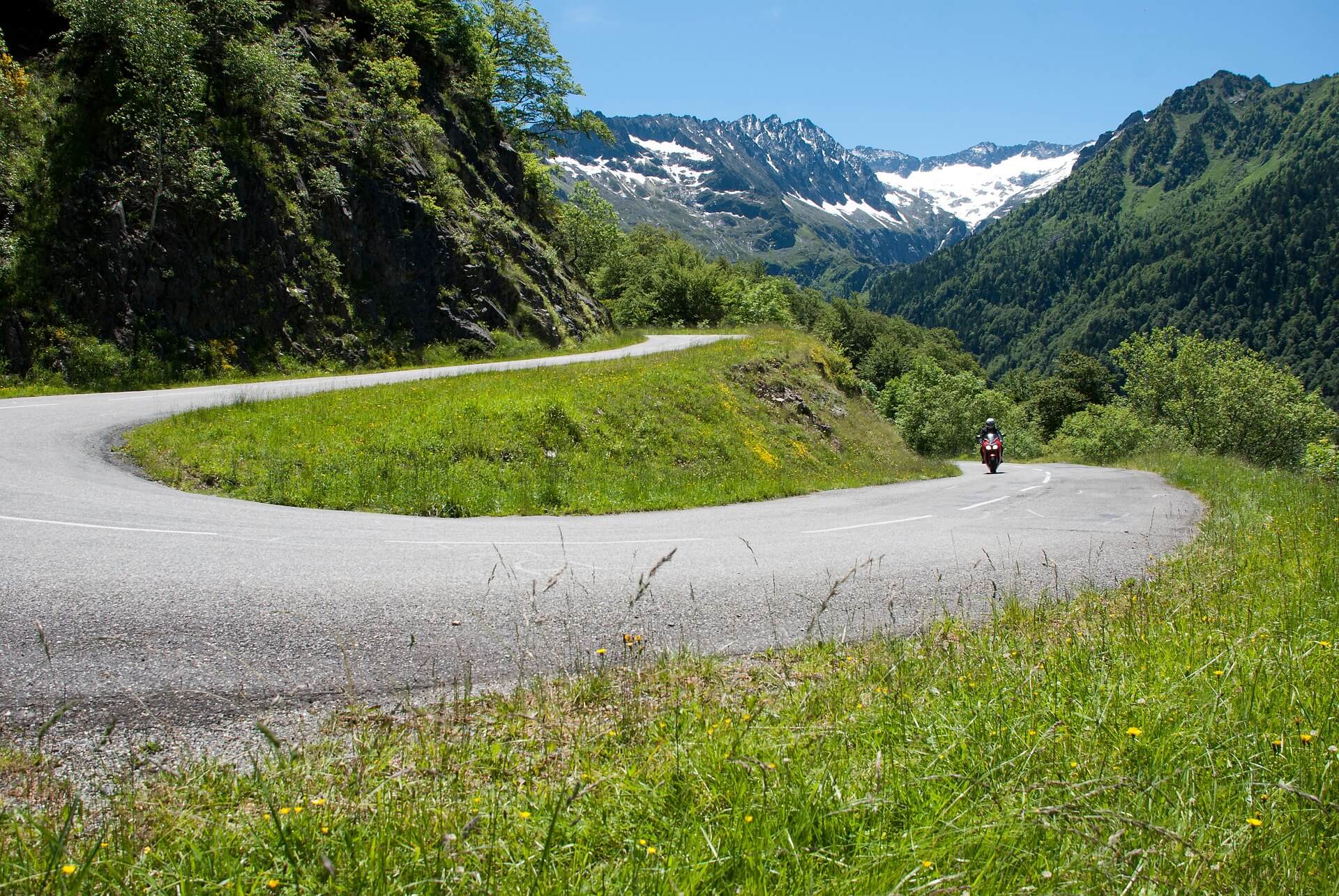
From sweeping Blue Ridge vistas to historic coastal byways — Virginia delivers the ride of a lifetime.
Introduction: Why Virginia Is the Top Destination for Motorcyclists
Virginia is one of those rare states that seems purpose-built for two-wheeled exploration. Tucked between the rugged Appalachian highlands and the tidal shores of the Chesapeake, the Commonwealth offers a riding experience that blends mountain adrenaline with Southern charm.
You can carve through 300-curve mountain corridors in the morning and cruise past colonial plantation estates by afternoon — all in a single day.
Whether you’re a seasoned sport rider chasing technical switchbacks or a touring enthusiast who savors scenic overlooks and small-town pit stops, Virginia has a road with your name on it. This guide breaks down the very best motorcycle routes in the state, what makes each one special, what to expect on the road, and how to plan the perfect ride.
1.Blue Ridge Parkway America’s Favorite Drive
Distance: 216 miles (Virginia section)
Difficulty: Moderate
Best Season: Spring & Fall
If there is one road that defines motorcycle touring in the eastern United States, it is the Blue Ridge Parkway. Often called “America’s Favorite Drive,” this legendary route spans 469 total miles, with 216 of those miles winding through Virginia’s mountains before crossing into North Carolina.
What sets the Parkway apart is its singular focus on the riding experience. There are no stop signs, no traffic lights, and no commercial trucks along the entire route — just sweeping curves, layered mountain ridges, and a seemingly endless procession of pullouts and overlooks.
Riders pass through 26 tunnels and beneath hand-crafted stone bridges that feel like portals into another era. The Virginia section begins near Waynesboro, at the southern terminus of Skyline Drive, and rolls southwestward through the heart of the Blue Ridge Mountains.
Along the way, historic landmarks like Mabry Mill — one of the most photographed spots on the entire Parkway — and the rocky shoulders of the Roanoke Valley break up the ridgeline scenery beautifully.
⚠️ Crucial Riding Tips for the Blue Ridge Parkway:
Obey the 45 mph speed limit: It exists for good reason. The Parkway features decreasing-radius curves — corners that tighten as you enter them — which demand patience and discipline. According to the National Park Service, up to 250 motorcycle accidents occur on the Parkway each year, making awareness essential.
Stay in the center of your lane: Road shoulders are intentionally narrow, designed to let the natural landscape grow close to the pavement. Straying to the edges can have serious consequences.
Fall foliage timing matters: The Virginia section of the Parkway typically peaks in mid to late October (around October 10–20). If you want maximum color, plan your ride for this window and aim for weekdays to avoid crowds.
Fuel up early and often: Gas stations along the Parkway are scarce. Top off your tank whenever the opportunity presents itself
2.Skyline Drive — The Crown Jewel of Shenandoah
Distance: 105 miles
Difficulty: Easy to Moderate
Best Season: Year-round (Spring and Fall are exceptional)
Skyline Drive is, without question, Virginia’s crown jewel for motorcyclists. Running along the crest of the Blue Ridge Mountains through the entirety of Shenandoah National Park, this 105-mile road offers 75 breathtaking overlooks, access to over 500 miles of hiking trails, and some of the most serene riding scenery in the entire country.
The route begins at Front Royal in the north and meanders south to Waynesboro, where it connects seamlessly with the Blue Ridge Parkway. Unlike many mountain roads, Skyline Drive is smooth, well-maintained, and consistently stunning.
The 35 mph speed limit encourages you to slow down and absorb the rolling green valleys, layered ridgelines, and cascading waterfalls visible from the road itself. Wildlife sightings are practically guaranteed here. Deer, wild turkeys, and black bears are regular road-side visitors, so stay alert — particularly at dawn and dusk.
📍 Don’t Miss Along Skyline Drive:
Dark Hollow Falls (near Luray): A short, scenic hike accessible from a roadside pullout.
South River Falls (near Stanardsville): One of the tallest and most majestic waterfalls in the park.
Stony Man Overlook: Arguably the finest panoramic view on the entire route.
3.Back of the Dragon (Route 16) — Virginia’s Designated Motorcycle Road
Distance: 32 miles
Difficulty: Advanced
Best Season: Spring through Fall
You may have heard of the famous “Tail of the Dragon” on the Tennessee–North Carolina border, but Virginia has its own legendary serpentine road — and it doesn’t get nearly the credit it deserves.
Route 16, known as the “Back of the Dragon,” is Virginia’s only officially designated motorcycle road, and for good reason. This 32-mile stretch packs an astonishing 300 curves between Tazewell and Marion in the mountains of southwest Virginia.
The Back of the Dragon is a technical rider’s dream. Tight corners, rapid elevation changes, and stunning mountain views combine to create a ride that demands full concentration and rewards skilled throttle control.
Unlike its more famous Tennessee counterpart, the Back of the Dragon sees far less traffic, giving you room to breathe — and ride — at your own pace. The surrounding landscape of Clinch Mountain and Hungry Mother State Park adds gorgeous backdrops throughout. Small towns along the way offer local diner stops and genuine Appalachian hospitality.
4.US Route 250 — The Mountain Rollercoaster
Distance: ~100 miles (to Elkins, WV)
Difficulty: Advanced
Best Season: Late Spring through Early Fall
If raw mountain riding is what you crave, US Route 250 will deliver. Starting in Staunton, Virginia and climbing westward toward Elkins, West Virginia, this 100-mile stretch is one of the most technically demanding roads in the region. Tight switchbacks, steep elevation changes, and constantly varying road surfaces keep riders fully engaged from start to finish.
The route passes through both the George Washington and Monongahela National Forests, offering deep forest scenery and occasional wildlife encounters along the way.
The town of Monterey, Virginia — sitting at the intersection of US 250 and US 220 — has earned a reputation as one of the most rider-friendly communities in the area, thanks to the warmth its locals show toward motorcyclists.
Road conditions vary. Some stretches are freshly paved and smooth; others are patchy and require careful line selection. The combination of challenge and scenery makes this a deeply satisfying ride for experienced riders who appreciate mastery over comfort.
5.Colonial Parkway — History Meets Scenery
Distance: 23 miles
Difficulty: Easy
Best Season: Year-round (Fall foliage is spectacular)
Not every great motorcycle road needs to be a technical challenge. The Colonial Parkway proves that beauty and history can make a ride every bit as memorable as curves and elevation.
This 23-mile scenic byway connects the three cornerstones of Virginia’s Historic Triangle — Colonial Williamsburg, Jamestown, and Yorktown — through a ribbon of lush, traffic-calmed roadway designed specifically for leisurely exploration.
The route follows the banks of the York and James rivers through dense colonial-era forest, with no commercial development, no billboards, and no distractions from the immersive natural and historical setting. In autumn, the foliage along the Parkway transforms into a tunnel of gold, orange, and crimson that rivals anything in New England.
For riders who enjoy pairing their routes with cultural stops, the Historic Triangle is hard to beat. Walking through the living history of Colonial Williamsburg or standing on the Yorktown battlefield adds a dimension to the ride that pure mountain roads simply cannot offer.
6.US Route 58 — Virginia’s Grand Cross-State Journey
Distance: ~500 miles (Tennessee border to Virginia Beach)
Difficulty: Easy to Moderate
Best Season: Spring and Fall
US Route 58 is the ultimate Virginia road trip. Stretching nearly 500 miles from the Tennessee state line all the way to Virginia Beach, this route serves as a sampler of everything the Commonwealth has to offer — Appalachian highlands, Piedmont farmland, historic small towns, and finally, the Atlantic coast.
The western end near the Virginia–Tennessee border delivers mountain scenery and winding roads. As the route moves east through towns like Stuart, South Boston, and Emporia, it transitions into rolling country fields and pine forests before the flatlands open up into the Hampton Roads region and the ocean beyond.
Route 58 is ideal for multi-day touring. Riders can break the journey in towns like Abingdon (a charming arts community in the far southwest) or South Hill, and arrive at Virginia Beach for a well-earned oceanfront finish.
7.The Five & Dime Loop (VA-5 and VA-10) — The Hidden Gem
Distance: ~60 miles (loop)
Difficulty: Easy
Best Season: Year-round
Lesser-known than the mountain routes, the Five & Dime Loop is a local favorite among riders in the Richmond area. Taking its name from Virginia Routes 5 and 10, this loop combines John Tyler Memorial Highway (VA-5) with a free ferry crossing of the James River and a relaxed cruise through the farmland of Surry County.
VA-5 traces the north bank of the James through some of Virginia’s most iconic plantation estates, including Shirley Plantation and Berkeley Plantation. The ride through peaceful countryside and past historic landmarks is unhurried and deeply scenic.
At the Jamestown-Scotland Ferry terminal, riders board a free ferry for a brief, relaxing crossing of the James River into Surry County. From there, VA-10 winds back through quiet woodlands and small communities before completing the loop. It’s the perfect antidote to white-knuckle mountain riding — and the ferry crossing alone makes it worth the detour.
Essential Tips for Riding in Virginia
Know the Laws: Virginia requires all motorcycle riders and passengers to wear helmets. Ensure your bike’s headlights are on at all times — it’s both a legal requirement and a visibility best practice on mountain roads.
Choose the Right Season: Spring (April–June) and fall (September–November) offer the most rewarding riding conditions. Summer brings heat in the valleys but pleasantly cooler temperatures at elevation. Winter riding on mountain routes is strongly discouraged, as many roads close seasonally and icy conditions develop quickly.
Watch for Wildlife: Deer crossings are common across virtually every route in this guide. Dawn and dusk carry the highest risk. Scan the tree lines and road edges constantly, particularly on forested routes like Skyline Drive and the Blue Ridge Parkway.
Plan Your Fuel Stops: Mountain routes like Skyline Drive and the Blue Ridge Parkway have limited fueling options. Always start with a full tank, and stop whenever you spot a gas station — even if you don’t feel like you need it yet.
Gear Up Properly: Virginia’s mountain elevations can produce significant temperature drops, even in summer. Layer appropriately, carry a rain layer, and invest in quality gloves and boots for both safety and comfort over long distances.
Conclusion: Virginia Is Waiting for You
Few states can match Virginia when it comes to sheer variety of riding experiences. Whether you’re ticking off bucket-list roads like Skyline Drive and the Blue Ridge Parkway, chasing curves on the Back of the Dragon, or soaking in colonial history along the James River, every mile offers something worth savoring.
The best motorcycle route in Virginia is ultimately the one that matches your riding style, your skill level, and what you’re chasing on any given day. But if you’re new to the state and can only choose one road to start, make it Skyline Drive. It is gorgeous, accessible, and the kind of ride that turns first-timers into lifelong Virginia devotees.
Pack your gear, plan your stops, and ride safe. The Blue Ridge Mountains are calling.
Disclaimer: Always ride within your limits, wear proper safety gear, and check road conditions before departure. Shenandoah National Park charges an entrance fee for access to Skyline Drive.
Leave a Reply