Category: Rider Guides

  • The Rubber Meets the Road: The Ultimate Guide to Motorcycle Tire Lifespan and Safety

    The Rubber Meets the Road: The Ultimate Guide to Motorcycle Tire Lifespan and Safety

    Most riders focus on the engine. The expert rider focuses on the tires — the only things keeping the bike glued to the asphalt.

    motorcycle tire lifespan

    Introduction:

    Your Only Point of ContactWhen riding a motorcycle, your entire world relies on two small patches of rubber, each barely the size of a credit card. Every bit of braking, acceleration, and cornering forces passes through these contact patches.

    Tire maintenance is not just a routine chore; it is the ultimate foundation of motorcycle safety.

    This comprehensive, evergreen guide breaks down the technical rules of tire lifespan, cold inflation pressure, and wear detection so you can confidently manage your rubber for years to come.

    How to Read Your Tire’s Age:

    The DOT CodeTires degrade over time from environmental exposure, even if the motorcycle is parked in a garage and never driven.

    Old rubber hardens, loses its chemical grip, and becomes prone to sudden delamination.

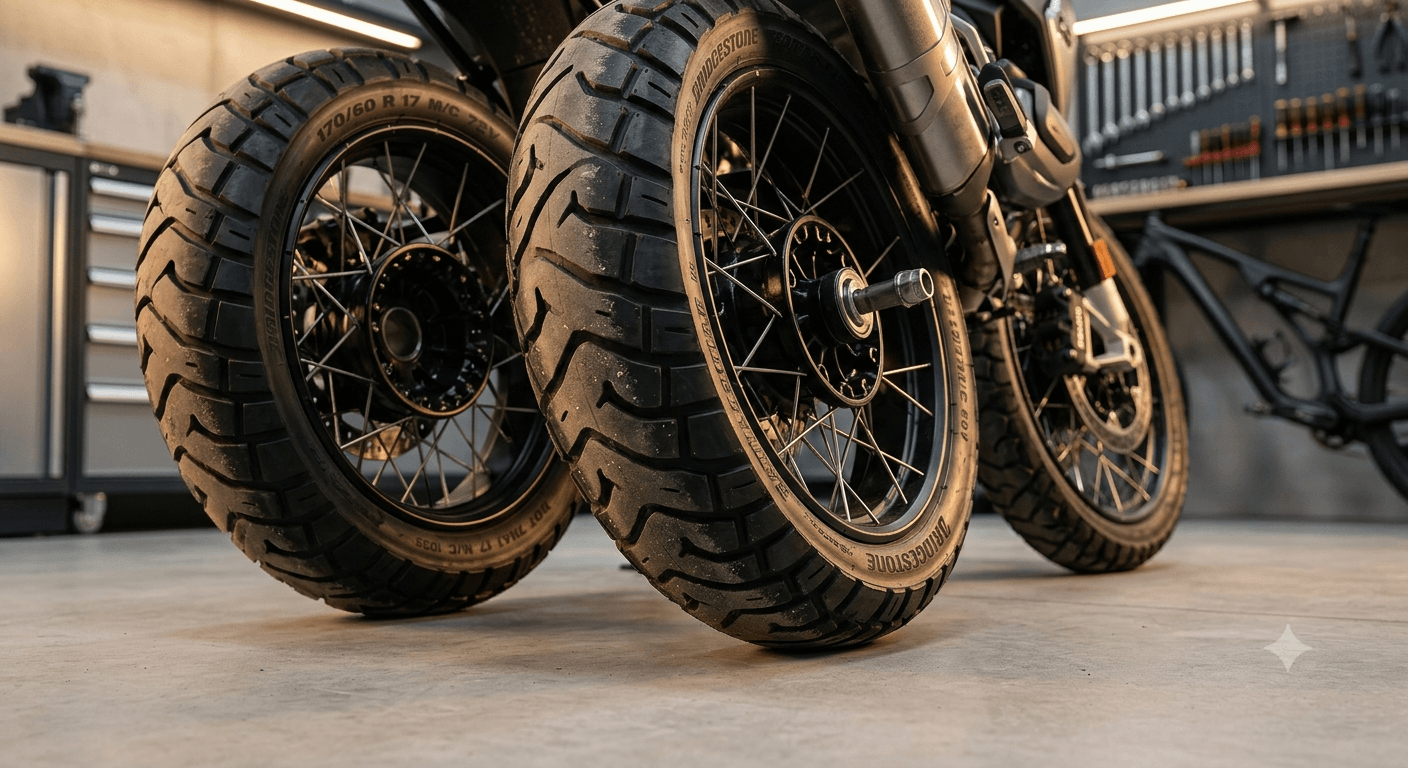
    To find the true age of any tire, look at the sidewall for a stamped code starting with the letters “DOT.” At the end of this string, you will find a raised four-digit number:

    * The first two digits represent the exact week of manufacture (from 01 to 52).

    * The last two digits represent the year of manufacture.For example, a DOT code ending in “1225” means the tire was manufactured in the 12th week of the year 2025.

    As a strict industry safety rule, any motorcycle tire that reaches 5 to 6 years of age should be replaced immediately, regardless of how much tread depth is left.

    The Pressure Principle:

    Cold vs. Hot InflationMaintaining correct tire pressure is the easiest and most critical safety action a rider can take.

    Running a tire under-inflated causes the sidewalls to flex excessively, generating dangerous internal heat and ruining cornering stability.

    Over-inflation reduces your contact patch, decreasing grip and causing a harsh ride.

    Always check your tire pressure when the tires are completely “cold.” Cold pressure means the motorcycle has been parked for at least three hours, or has been ridden less than one mile.

    Never release air from a tire immediately after a long highway ride.

    Tires naturally spike in pressure as they heat up from road friction.

    The manufacturer specs listed in your owner’s manual are calculated specifically for cold tires.

    Reading the Tread:

    Wear Indicators (TWI)Waiting until your motorcycle tires look completely smooth or bald is an incredibly dangerous mistake.

    Riding on worn tires severely lowers water evacuation, making you highly vulnerable to hydroplaning in wet weather.

    Modern motorcycle tires feature built-in safety checkpoints called Tread Wear Indicators (TWI).

    These are small, raised rubber bars located deep inside the main tread grooves:

    * Look for the tiny “TWI” letters or triangular arrows stamped on the outer sidewall edge.

    * Look directly across the tire surface inside the grooves adjacent to those markers.

    When the surrounding tread surface wears down to the exact same level as these internal rubber bars, the tire has reached its legal and safe limit (typically 2/32 of an inch remaining) and must be replaced immediately.

    Touring vs Sport Compounds:

    Choosing the Right RubberUnderstanding tire compounds is essential when investing in your next set of rubber.

    The right choice depends entirely on your riding style and mileage requirements:

    * Touring Tires: Built with hard rubber compounds in the center of the tread and softer compounds on the shoulders.

    They are designed to resist squaring off during long highway miles while still offering secure grip when leaning into turns.

    * Sport Tires: Engineered with soft, sticky rubber compounds throughout.

    They heat up rapidly and provide immense cornering traction for aggressive track days, but wear out much quicker under straight-line highway touring.

    Conclusion:

    Respect the RubberEngines deliver power, but your tires deliver control. By regularly checking the DOT date codes, maintaining accurate cold pressure levels, and watching the tread wear indicators, you ensure your motorcycle responds perfectly to every input.

    Respect the physics.

    Monitor your rubber.

    Ride prepared.

    [Disclaimer: This article is provided for informational and educational purposes only. Tire performance, safety metrics, and wear rates vary significantly based on vehicle weight, terrain, weather, and riding styles. Always consult your motorcycle’s official owner manual, inspect tire conditions before every ride, and seek professional mechanical service for tire installations and inspections.]

    References & Sources

    * Motorcycle Safety Foundation (MSF) — Tire and Wheel Inspection Checklists — msf-usa.org

    * National Highway Traffic Safety Administration (NHTSA) — Pneumatic Tire Safety and Standards — nhtsa.gov

    * American Motorcyclist Association (AMA) — Street Riding Tire Maintenance Rules — americanmotorcyclist.com
  • Motorcycle Weather Safety: Riding Through Sudden Storms

    Motorcycle Weather Safety: Riding Through Sudden Storms

    Most riders fear the storm but the prepared rider respects it — and rides through it safely.

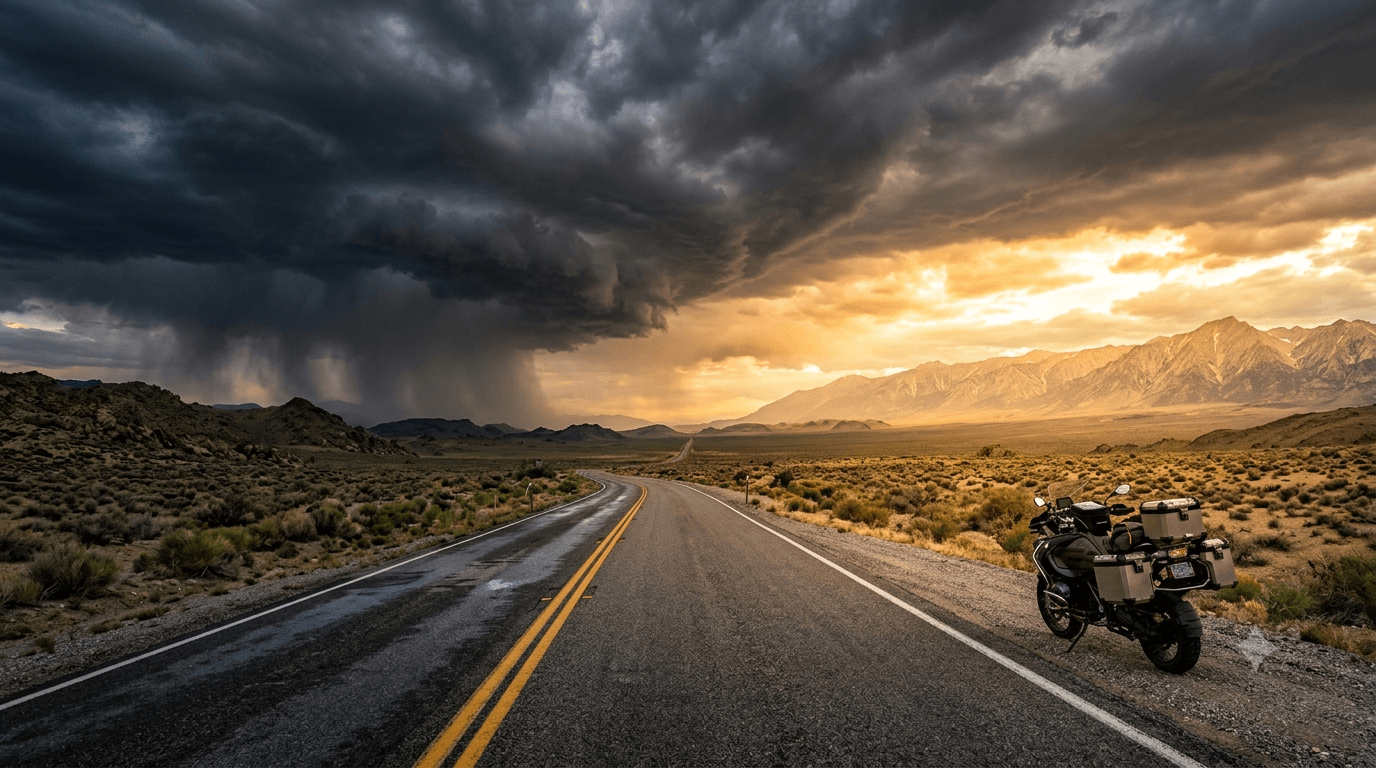
    Weather Shifts Can Happen Anytime — Stay ReadyWeather shifts can happen at any moment on the open road.

    When clear skies suddenly turn into severe conditions, being prepared with the right safety knowledge is exactly what keeps you secure and in control.

    This concise guide covers how to handle extreme heat, rain, and strong crosswinds confidently.(Riding Through Sudden Storms)

    1. Riding in Extreme Heat

    Heat is a silent hazard that causes rapid fatigue, dangerous dehydration, and sudden tire pressure spikes.

    How to Ride Safely in the Heat:* Hydrate Constantly: Drink 500ml of water before departing, and stop every 45-60 minutes to drink more.

    * Wear Protective Mesh: Use light-colored, ventilated mesh gear.

    Never drop protection for comfort; riding in a t-shirt is a massive safety risk.

    * Monitor Your Engine: In heavy traffic, pull over and idle in the shade if your engine temperature spikes.

    * Time Your Ride: Plan long summer trips for early morning or late afternoon to avoid the mid-day sun.

    2. Riding in Rain:

    Rain severely cuts tire traction and visibility.

    The first 15 to 30 minutes are the most dangerous, as water mixes with road oil and dust to create an incredibly slick film.

    How to Ride Safely in the Rain:

    * Slow Down: Drop your speed and double your following distance. Wet braking distances are 30% to 40% longer.

    * Avoid Road Hazards: Stay clear of painted road markings, manhole covers, and tar snakes—they become slick as ice.

    * Follow Car Tracks: Ride in the visible tracks left by car tires; these paths are partially cleared of standing water.

    * Brake Progressively: Apply brakes gently and smoothly to prevent wheel lockup.

    If you have ABS, rely on it without jamming the levers.

    3. Riding in Strong Crosswinds

    Wind is unpredictable and hits hardest on open bridges, elevated highways, or when passing gaps in highway barriers and overtaking large semi-trucks.

    How to Ride Safely in Strong Winds:

    * Relax Your Grip: Keep your arms loose.

    A stiff grip transfers wind force directly into the steering, destabilizing the bike.

    * Lean and Counter: Gently lean the motorcycle into the prevailing wind to maintain your lane position.

    * Manage Truck Passing: Expect a sudden push away from a truck as you approach, a pull toward it alongside, and another push as you clear it. Maintain steady throttle.

    * Know When to Pull Over: If holding your lane requires exhausting physical effort, park safely and wait out the gusts.

    4. Universal Weather Principles:

    No matter what the sky looks like, these three core rules never change:

    1. Full Gear, Every Ride: A full-face helmet, armored jacket, gloves, and riding boots are non-negotiable.

    2. Route Planning: Check forecasts for your entire route, not just the destination.

    3. Arriving Alive Matters Most: There is no shame in pulling over.

    A rider who waits out a storm makes the right call every time.Conclusion: Preparation Over PanicAdverse weather is a challenge to be managed, not feared.

    With the right gear, smooth technical inputs, and a calm mindset, you can handle unexpected shifts and arrive safely at your destination.Respect the road.

    Understand the elements.

    Ride prepared.References & Sources

    * Motorcycle Safety Foundation (MSF) — msf-usa.org

    * National Highway Traffic Safety Administration (NHTSA) — nhtsa.gov

    * American Motorcyclist Association (AMA) — americanmotorcyclist.com

    * Transport Research Laboratory (TRL), UK — trl.co.uk

    [Disclaimer: This article is provided for informational and educational purposes only. Riding conditions vary significantly by region, season, and individual experience level. Always exercise personal judgment, consult your motorcycle’s owner manual, and consider professional riding instruction before riding in conditions beyond your current skill level.]

  • Top 10 Motorcycles for Riding Virginia’s Scenic Byways in 2026

    Top 10 Motorcycles for Riding Virginia’s Scenic Byways in 2026

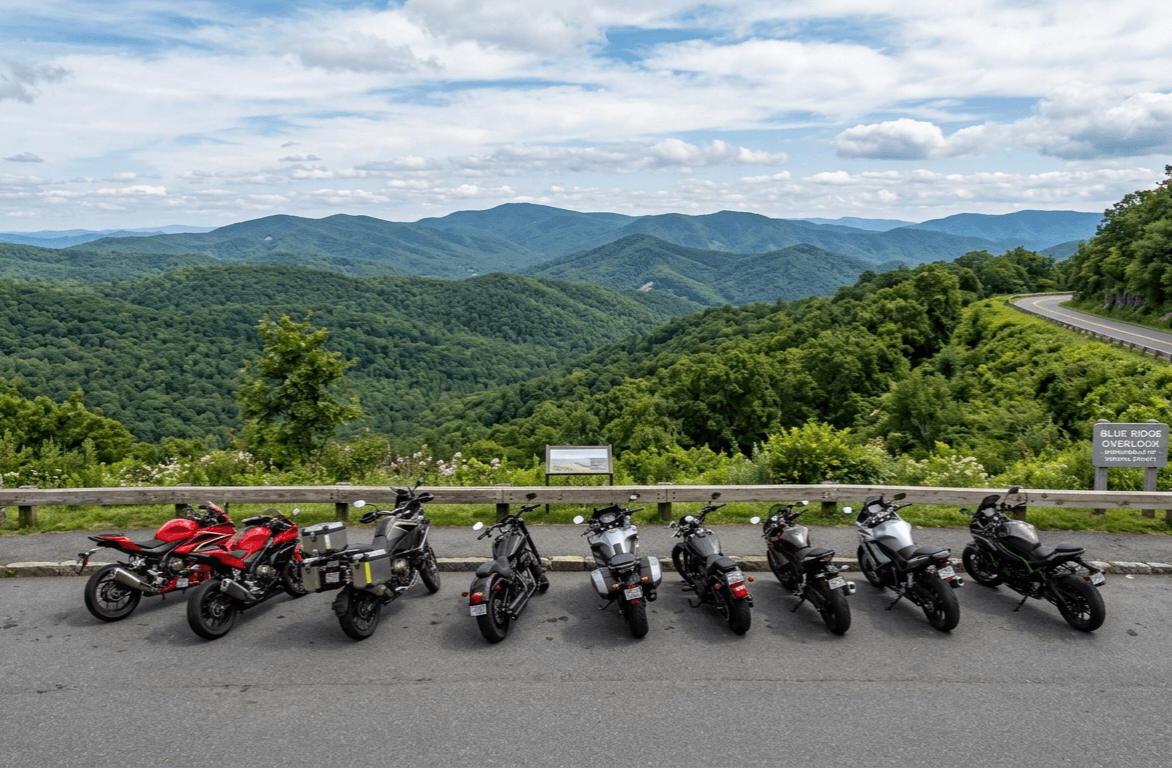
    Planning an unforgettable trip through Virginia’s mountain passes and scenic byways? Finding the Top 10 Motorcycles for Riding these iconic routes makes all the difference when taking on the sweeping turns of Skyline Drive and the Blue Ridge Parkway. In this guide, we highlight the best bikes built for comfort, control, and performance on every mile of your journey.

    1.Honda CBR1000RR-R Fireblade SP

    Honda’s flagship sportbike remains the gold standard for liter-class performance. Its screaming inline-four engine, aerodynamics borrowed straight from Honda’s racing division, and razor-sharp chassis make it a serious contender for riders who want pure, race-bred thrills.

    2. BMW S1000RRThe S1000RR

    continues to lead the pack when it comes to electronics. Its semi-active suspension and refined riding modes give it an edge in both comfort and control, making it one of the most technologically advanced sportbikes you can buy this year.

    3. Yamaha YZF-R1

    While rivals chase bigger horsepower numbers, Yamaha’s R1 focuses on balance—a lighter chassis, predictable handling, and an engine tuned for real-world usability. It’s the sportbike for riders who value control as much as speed.

    4. KTM 1390 Super Duke RRKTM’s

    latest Super Duke pushes the naked-bike category to new extremes. Aggressive styling, a punchy V-twin, and track-level electronics combine to create a machine that feels equally at home carving canyon roads or hitting the track.

    5. Honda CB750 Hornet

    Introduced as a mid-weight standout, the CB750 Hornet blends agile handling with genuine daily-ride comfort. Its parallel-twin engine delivers strong real-world fuel economy, making it one of the most practical performance bikes of the year.

    6. Yamaha MT-09

    The MT-09’s torquey triple engine and adjustable suspension continue to win over riders who want one bike that can do it all—commuting, weekend rides, and the occasional spirited backroad. Its comfortable seating position also makes it a favorite among taller riders.

    7. Triumph Trident 800

    Triumph expanded the Trident lineup in 2026 with more power and the same character that made the original Trident 660 a hit. With a full suite of rider aids and an engaging triple-cylinder engine, it’s positioned as one of the best everyday motorcycles on the market.

    8. Royal Enfield Himalayan 750

    Marking Royal Enfield’s first move into 750cc territory, the Himalayan 750 brings a bigger parallel-twin engine to the brand’s beloved adventure platform. After years of anticipation, it’s set to be one of the most talked-about adventure bikes of the year.

    9. Indian Chief Vintage

    The Chief Vintage proves that nostalgia and performance can coexist. Skirted fenders and fringed leather saddlebags hide a modern Thunderstroke engine underneath, delivering classic cruiser looks with thoroughly contemporary power and reliability.

    10. Kawasaki Ninja 500 SE

    Not every great motorcycle needs huge horsepower. The Ninja 500 SE is built specifically for new riders, with smooth power delivery and a light clutch pull that make it approachable without feeling underpowered. It remains one of the smartest choices for anyone starting their riding journey.

    Final ThoughtsFrom hypernaked monsters to beginner-friendly cruisers, 2026 offers something for every type of rider. The common thread across this list is balance—manufacturers are building motorcycles that are genuinely enjoyable to live with every day on the open road. Whichever category speaks to you, this is shaping up to be one of the best years yet to get back on two wheels.

  • Skyline Drive: The 35-MPH Ride Every Motorcyclist Secretly Loves

    Skyline Drive: The 35-MPH Ride Every Motorcyclist Secretly Loves

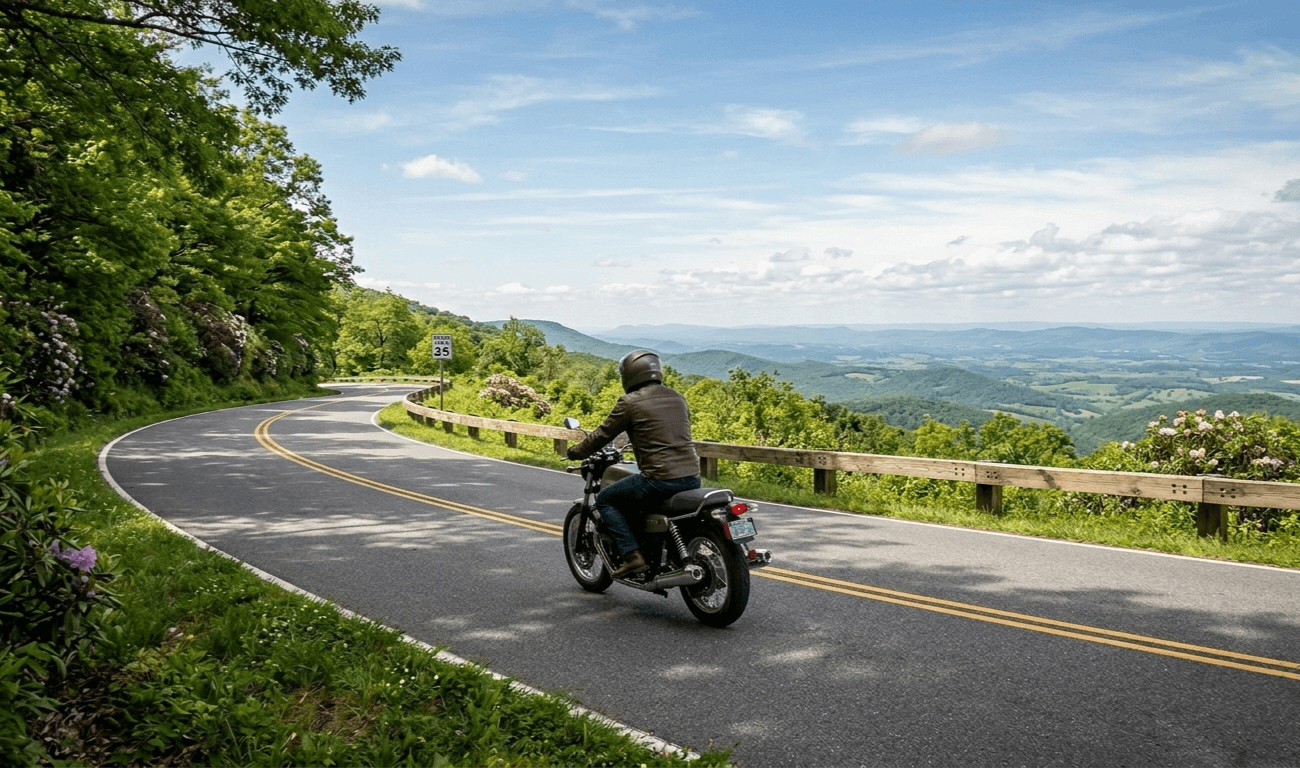
    For most motorcyclists, a 35-mph speed limit sounds like a punishment. We buy machines built for acceleration, cornering, and the thrill of the open road. So why does a 105-mile stretch of asphalt with a strict, crawl-paced speed limit top the bucket list of riders across America?Welcome to Skyline Drive.Running the entire length of Shenandoah National Park in Virginia, this National Scenic Byway is a paradox. It is slow, it is heavily patrolled, and it is absolute motorcycling heaven. Here is the secret behind why riders love it, and how to conquer it perfectly.

    1. The Rhythm of the Ride (Why 35 MPH Works)The magic of Skyline Drive isn’t about adrenaline; it’s about rhythm.The road is carved directly into the crest of the Blue Ridge Mountains. Without stoplights, commercial trucks, or cross-streets, you enter a continuous, flowing ribbon of smooth asphalt. Sweeping curves blend into one another seamlessly. At 35 mph, you don’t need to fight your bike; you lean into a gentle, rhythmic dance with the mountain.It turns riding from a high-stress workout into pure, therapeutic cruising. You actually have the time to breathe in the crisp mountain air and look at the world around you.

    2. The Built-In Danger: Wildlife and Blind CurvesThere is a very practical reason behind the strict speed limit, and it adds an element of genuine suspense to the ride. Shenandoah National Park is packed with wildlife.The Local Residents: White-tailed deer, wild turkeys, and black bears treat Skyline Drive like their personal walkway.The Challenge: Dense tree canopies shade the road, creating dramatic patches of light and shadow. A deer standing just around a blind, sun-dappled curve is a common sight.Riding here requires sharp, defensive focus. It’s a test of smooth braking and situational awareness, making the slow pace feel surprisingly engaging.

    3. The 75-Overlook Treasure HuntSkyline Drive features 75 designated overlooks, offering panoramic views of the Shenandoah Valley to the west and the rolling Piedmont region to the east. You don’t just ride this road—you collect views.If you want the absolute best spots to park your bike and snap a photo, make sure to stop at:Range View Overlook (Mile 17.1): Provides a sweeping, uninterrupted view down the northern section of the valley toward Mount Marshall.Spitler Knoll Overlook (Mile 48.1): A massive, wide-open meadow view that creates a perfect, dramatic backdrop for your motorcycle.Big Meadows (Mile 51): The perfect halfway mark to refuel, grab a hot meal, and chat with fellow riders who always congregate here.

    4. Choosing Your Season: Spring vs. The Autumn CrushThe character of the Drive changes completely depending on when you open your throttle:The Fall Foliage (October): This is when the mountain explodes into vibrant reds, deep oranges, and brilliant yellows. It is visually stunning, but be warned—you will share the road with thousands of “leaf-peepers” in rental cars. Go early in the morning to beat the crowds.The Spring Awakening: If you want the road to yourself, ride in May. The wildflowers are blooming, the waterfalls are rushing, and the traffic is almost non-existent.The VerdictSkyline Drive is a reminder of why we started riding in the first place. It’s not about getting to a destination as fast as possible; it’s about the pure connection between the tires, the winding road, and the horizon.Pack your gear, pay the $25 motorcycle park entrance fee, and leave your need for speed at the gate. You’re about to fall in love with 35 mph.