Category: Rider Guides

  • Buying a Used Motorcycle in Virginia: Title, VIN Check & Legal Steps 2026

    Buying a Used Motorcycle in Virginia: Title, VIN Check & Legal Steps 2026

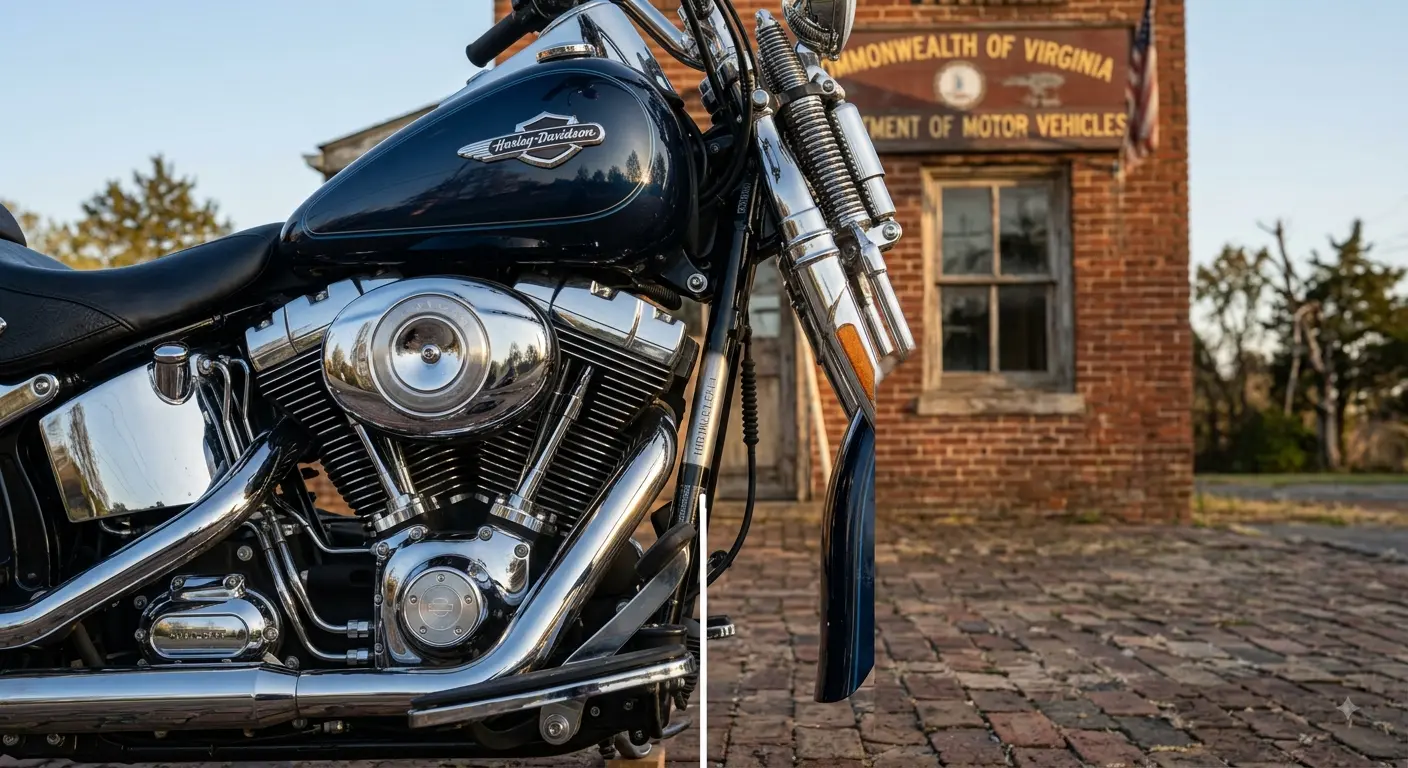
    Purchasing a pre-owned bike in the Old Dominion offers an affordable route to the open road, but navigating private sales requires strict attention to legal documentation and mechanical health. From verifying clean ownership titles with the Virginia Department of Motor Vehicles (DMV) to performing a thorough Vehicle Identification Number (VIN) audit, missing a single administrative detail can turn a great deal into a costly legal head-scratcher. Following a structured guide for buying a used motorcycle in Virginia protects your financial investment and ensures a seamless title transfer before your first ride.

    Quick Inspection Checklist

    Buyer Verification StagePrimary Legal & Physical TargetOperational Standard / Requirement
    Focus KeywordBuying a Used Motorcycle in VirginiaIncluded in Title, Intro, H2 Headers, & Meta
    Title StatusClean Virginia Title (No Lien)Seller signature matches DMV records exactly; no open liens
    VIN VerificationFrame, engine casing, & title match17-digit VIN must match all physical stampings and title
    Proof of SaleOfficial Virginia DMV Bill of Sale (Form SUT-1)Signed by both parties; declares purchase price for SUT tax
    State InspectionVirginia Safety Inspection StickerValid yellow safety decal or budget for immediate official inspection

    The private sale transfer process in Virginia follows a strict legal flow. Skipping steps or accepting a “Bill of Sale only” without a physical, clean title prevents you from legally registering or insuring the vehicle in the Commonwealth.

       [ SELLER OFFERS MOTORCYCLE ]
                     β”‚
                     β–Ό
    β”Œβ”€β”€β”€β”€β”€β”€β”€β”€β”€β”€β”€β”€β”€β”€β”€β”€β”€β”€β”€β”€β”€β”€β”€β”€β”€β”€β”€β”€β”€β”€β”€β”€β”€β”€β”
    β”‚ Physical VIN & Frame Audit       β”‚  ◄── Verify 17-Digit Frame Stamping
    β””β”€β”€β”€β”€β”€β”€β”€β”€β”€β”€β”€β”€β”€β”€β”€β”€β”¬β”€β”€β”€β”€β”€β”€β”€β”€β”€β”€β”€β”€β”€β”€β”€β”€β”€β”˜
                     β”‚
                     β–Ό
    β”Œβ”€β”€β”€β”€β”€β”€β”€β”€β”€β”€β”€β”€β”€β”€β”€β”€β”€β”€β”€β”€β”€β”€β”€β”€β”€β”€β”€β”€β”€β”€β”€β”€β”€β”€β”
    β”‚ Title Check & Lien Release Audit β”‚  ◄── Confirm No Outstanding DMV Liens
    β””β”€β”€β”€β”€β”€β”€β”€β”€β”€β”€β”€β”€β”€β”€β”€β”€β”¬β”€β”€β”€β”€β”€β”€β”€β”€β”€β”€β”€β”€β”€β”€β”€β”€β”€β”˜
                     β”‚
                     β–Ό
    β”Œβ”€β”€β”€β”€β”€β”€β”€β”€β”€β”€β”€β”€β”€β”€β”€β”€β”€β”€β”€β”€β”€β”€β”€β”€β”€β”€β”€β”€β”€β”€β”€β”€β”€β”€β”
    β”‚ Form SUT-1 & DMV Title Assignmentβ”‚  ◄── Complete Odometer & Price Sign-off
    β””β”€β”€β”€β”€β”€β”€β”€β”€β”€β”€β”€β”€β”€β”€β”€β”€β”¬β”€β”€β”€β”€β”€β”€β”€β”€β”€β”€β”€β”€β”€β”€β”€β”€β”€β”˜
                     β”‚
                     β–Ό
       [ REGISTER & TAX AT VA DMV ]

    Ensuring that the title is clear of financial liens and that the seller’s name matches their state-issued driver’s license eliminates title-jumping risks and protects your legal ownership.

    1. Perform a Comprehensive VIN Audit & Title Check

    Before exchanging cash, thoroughly inspect the physical vehicle identification number stamped on the motorcycle frame neck and engine case:

    • Match All 17 Digits: Compare the physical VIN on the steering neck to the VIN printed on the certificate of title and current registration card. Any sign of tampering or gouging on the frame stamping is an immediate deal-breaker.
    • Run a National Title Search: Use the National Motor Vehicle Title Information System (NMVTIS) or NICB VINCheck to confirm the bike has not been declared a salvage unit, stolen vehicle, or flood-damaged write-off.

    2. Verify Title Authenticity & Lien Releases

    Virginia law strictly requires a valid, physical Certificate of Title for ownership transfer:

    • Beware of “Bill of Sale Only” Deals: In Virginia, you cannot register a motorcycle using only a Bill of Sale if the title is lost. The seller must apply for a duplicate title (Form VSA 67) before completing the sale.
    • Check for Financial Liens: Ensure Section A on the front of the title shows no active liens. If a financial institution is listed, require an official Lien Release letter stamped by the DMV or bank.

    3. Complete Official DMV Documentation Correctly

    Avoid registration delays by filling out the back of the Virginia title precisely:

    • Certificate of Title Assignment: The seller must print and sign their name exactly as it appears on the front of the title. Record the exact odometer reading at the time of transfer.
    • Virginia Bill of Sale (Form SUT-1): Fill out Form SUT-1 to document the exact sale price. Virginia charges a Sales and Use Tax (SUT) based on the purchase price or the NADA trade-in value (whichever is higher).

    4. Conduct a Static Cold Mechanical Inspection

    Always inspect a used motorcycle when the engine is completely cold to reveal hidden mechanical issues:

    • Cold Crank Test: Touch the engine case to confirm it hasn’t been warmed up prior to your arrival. A cold engine reveals true battery condition, choke function, and starter clutch health.
    • Fluid & Wear Audit: Check for fork seal leaks, rust inside the gas tank, chain wear, brake pad thickness, and dry-rotted tire sidewalls.

    5. Transfer Registration & Complete VA Safety Inspection

    Once the title is signed over, finalize your legal standing before taking to public highways:

    • DMV Registration & Plates: Take the signed title, Form SUT-1, and proof of Virginia motorcycle insurance to a local DMV customer service center to pay taxes, transfer the title, and receive license plates.
    • Virginia Safety Inspection: Every motorcycle operated on state roads must pass an annual Virginia State Safety Inspection at an authorized station to receive a valid inspection decal.

    Taking a methodical approach when buying a used motorcycle in Virginia guarantees a smooth purchase experience free of administrative roadblocks. Verifying titles, auditing VINs, and filing proper DMV documentation lets you take ownership with complete peace of mind.

    Legal Disclaimer: This guide is provided for educational and informational purposes only. Virginia DMV regulations and tax structures are subject to change. Always consult official Virginia Department of Motor Vehicles documentation or a legal representative to confirm title transfer compliance.

    Official & Credible Sources

    • Virginia Department of Motor Vehicles (DMV) Titling Guide: https://www.dmv.virginia.gov
    • National Insurance Crime Bureau (NICB) Free VINCheck: https://www.nicb.org
    • Virginia State Police Safety Inspection Program: https://vsp.virginia.gov
  • Virginia Motorcycle Winter Riding Prep: 6 Cold Weather Steps

    Virginia Motorcycle Winter Riding Prep: 6 Cold Weather Steps

    Virginia Motorcycle Winter Riding Prep

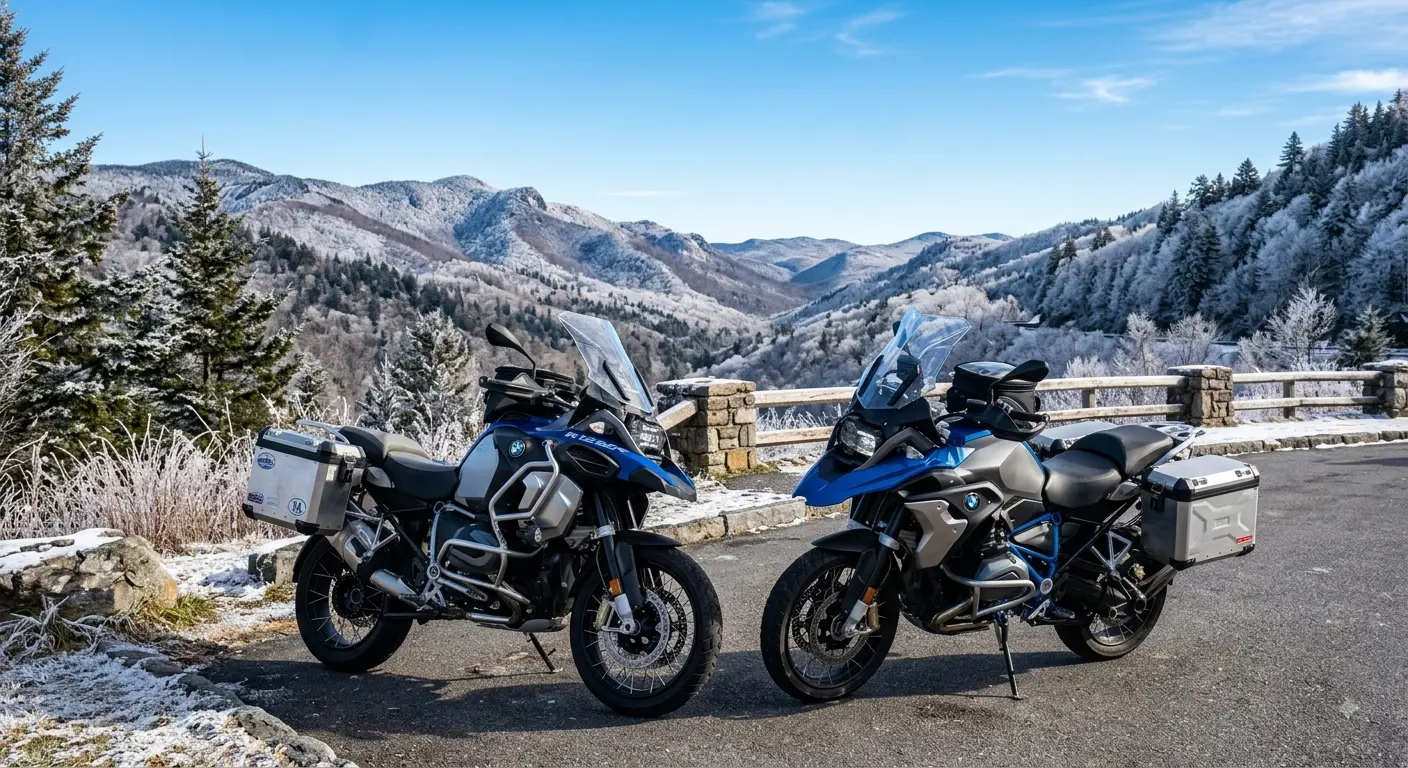
    Riding through Virginia during the winter months presents a unique blend of crisp, clear mountain days and sudden freezing conditions. While southern coastal areas experience milder temperatures, high-elevation routes along the Blue Ridge and Central Virginia highways routinely face freezing asphalt, road salt treatments, and rapid temperature drops.

    Following a dedicated Virginia motorcycle winter riding prep guide ensures your machine stays mechanically sound and you remain warm, focused, and completely protected through the coldest riding months.

    ❄️ Navigating Road Salt, Battery Health, and Freezing Temperatures

    Winter road maintenance in Virginia relies heavily on liquid brine and rock salt treatments. These chemical compounds quickly accelerate corrosion on bare metals, alloy wheels, and drive chains if not properly managed after every ride. Before hitting treated roads, applying a protective anti-corrosion barrier spray to exposed metallic components helps shield your frame and engine cases from harsh chemical degradation.

    Sub-freezing temperatures also put severe stress on your motorcycle’s electrical system and tire traction. Cold ambient air drastically reduces battery efficiency, while cold rubber requires significantly longer distance to warm up and grip the road surface properly. Keeping your battery on a smart tender and verifying cold tire pressure before every ride are essential steps for reliable cold-weather operation.

    πŸ› οΈ 6 Essential Steps for Cold Weather Riding

    1. Protect Drivetrain and Frame Against Road Salt
      Rinse your motorcycle with cold water after navigating brine-treated highways to prevent salt accumulation, and keep your drive chain thoroughly lubricated with a water-repellent chain wax.
    2. Manage Cold Battery Health
      Keep your battery on a dedicated trickle charger overnight. Ensure your alternator can support the power draw if operating heavy electrically heated gear.
    3. Adjust Tire Pressure for Cold Drops
      Ambient pressure drops in cold weather. Check tire inflation when cold, and allow extra stopping distance on freezing pavement.
    4. Install Anti-Fog Visor Solutions
      Equip your helmet with a double-lens Pinlock insert or high-grade anti-fog treatment to prevent breath condensation from blocking your vision.
    5. Utilize Layered and Heated Gear
      Combine windproof outer shells with electrically heated liners to maintain core body temperature and preserve quick reflex responses.
    6. Watch for Black Ice on Mountain Passes
      Exercise extreme caution on shaded mountain curves, bridges, and overpasses where moisture freezes quickly even when main roads appear clear.

    🎯 Conclusion: Stay Warm, Protected, and Road-Ready

    Winter riding across Virginia rewards disciplined riders with clear blue skies and peaceful, uncrowded highways. By protecting your motorcycle against salt corrosion and managing your body heat, you can safely enjoy cold-weather touring across the Commonwealth.

    Protect the metal. Layer up right. Ride safe.

    πŸ“š References & Sources

    • Motorcycle Safety Foundation (MSF) β€” Cold Weather Riding Guidelines β€” msf-usa.org
    • Virginia Department of Transportation (VDOT) β€” Winter Road Conditions & Treatment β€” virginiadot.org
    • American Motorcyclist Association (AMA) β€” Winter Storage & Cold Riding Prep β€” americanmotorcyclist.com

    Disclaimer: This article is provided for informational, inspirational, and educational purposes only. Winter road conditions, weather warnings, and local salt treatments vary across Virginia regions. Always review local VDOT weather alerts before riding in sub-freezing temperatures.

  • Virginia Motorcycle Group Rides: 5 Rules for Safe Touring

    Virginia Motorcycle Group Rides: 5 Rules for Safe Touring

    Virginia Motorcycle Group Rides and Events: 5 Rules for Safe Touring

    Riding with a community of fellow enthusiasts is one of the most rewarding aspects of motorcycle culture in Virginia. From weekend charity runs across Central Virginia to major regional rallies along the coast, group rides offer camaraderie and shared adventure.

    However, participating in Virginia motorcycle group rides and events requires disciplined formation riding, clear communication, and organized route pacing to ensure every rider arrives safely at the destination.

    Quick Group Riding Safety Protocol:

    • Staggered Formation: Maintain 2-second cushions on highway stretches.
    • Single File: Switch to single file on narrow mountain curves.
    • Lead & Sweep Riders: Designated experienced riders at front and rear.
    • Pre-Ride Briefing: Review routes, gas stops, and emergency signals.
    • Ride Your Own Ride: Never push beyond your personal comfort zone.

    Understanding Staggered Formation Logistics

    Riding in a staggered pattern gives each motorcycle maximum reaction space while occupying a single lane efficiently. The lead rider takes the left third of the lane, while the second rider follows 1 second behind in the right third.

    Group Staggered Lane Position Diagram:

    [ Left Lane Position (Lead Rider) ]
    β”‚
    └───> 1-Second Gap ───> [ Right Lane Position (Rider 2) ]
    β”‚
    └───> 1-Second Gap ───> [ Left Lane Position (Rider 3) ]

    5 Essential Rules for Organized Group Touring

    1. Complete a Comprehensive Pre-Ride Meeting
      Before launching, the lead rider should brief the group on planned fuel stops, total distance, pace, and hand signals for road hazards or turning maneuvers.
    2. Maintain Proper Following Distances
      Keep a 2-second gap between your motorcycle and the rider directly ahead in your lane position. Increase this gap during wet weather or on gravel-strewn backroads.
    3. Execute Seamless Single-File Transitions
      When approaching tight mountain curves like Route 211 or entering narrow bridge passes, smoothly transition from staggered formation to single-file with ample spacing.
    4. Respect the Role of the Sweep Rider
      The rear “sweep” or “tail-gunner” rider monitors the group from behind, assists with any mechanical breakdowns, and helps manage lane changes on busy interstates.
    5. Never Target-Fixate or Pace-Match
      Always ride at a speed matching your personal skills. If the group pace exceeds your comfort level, drop back safely or inform the sweep rider at the next scheduled stop.

    Conclusion: Strength in Community and Safety

    Organized group riding strengthens Virginia’s vibrant motorcycle community. By adhering to formation rules, communicating clearly, and prioritizing safety above all, group tours become memorable highlights of the riding season.

    Communicate clearly. Keep your space. Enjoy the community.

    Disclaimer: This article is provided for informational, inspirational, and educational purposes only. Group ride organizers must comply with state traffic laws, parade permits, and insurance regulations. Check local event guidelines before participating.

    References & Sources

    • Motorcycle Safety Foundation (MSF) β€” Group Riding Safety Manual β€” msf-usa.org
    • Virginia Department of Motor Vehicles (DMV) β€” Motorcycle Community & Safety Rules β€” dmv.virginia.gov
    • American Motorcyclist Association (AMA) β€” Sanctioned Event Guidelines β€” americanmotorcyclist.com

  • Skyline Drive Motorcycle Tour Guide

    Skyline Drive Motorcycle Tour Guide

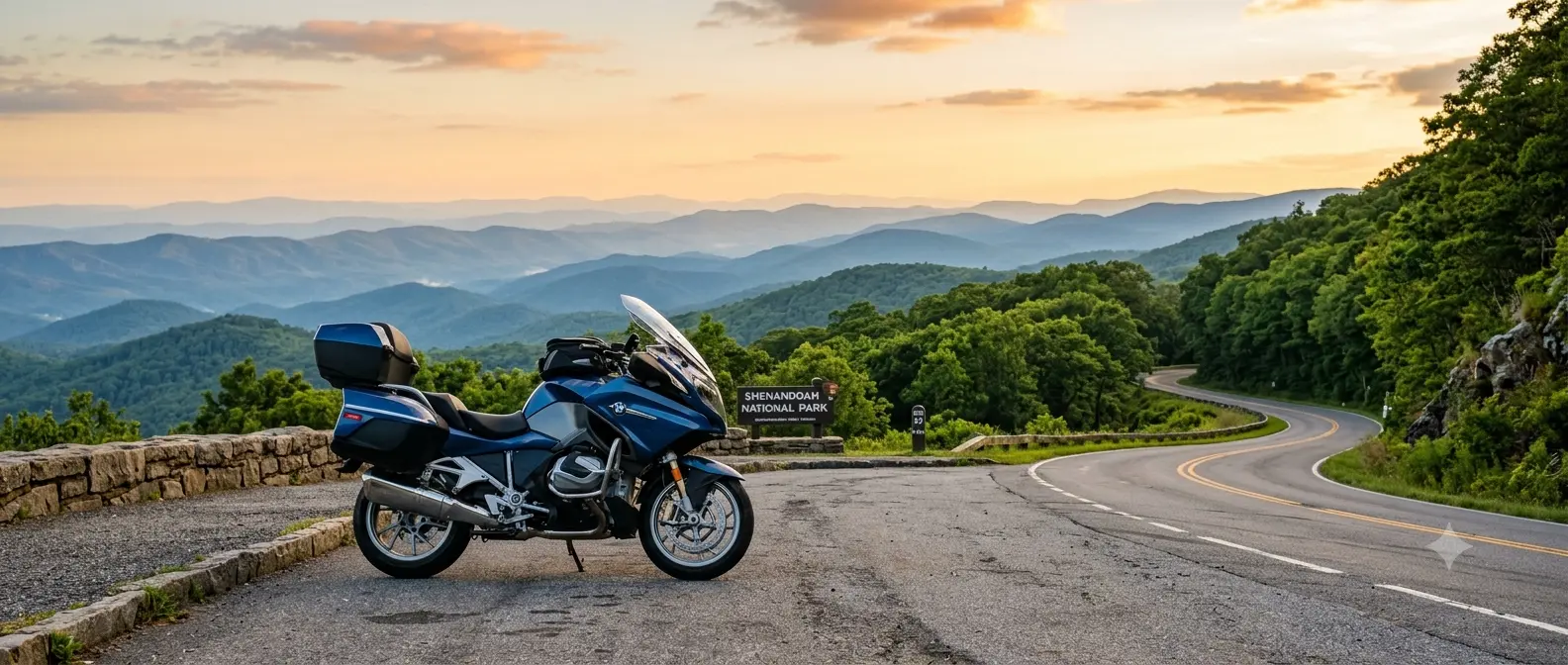
    Running 105 miles strictly along the spine of Shenandoah National Park, Skyline Drive is widely celebrated as one of North America’s premier touring corridors. From Front Royal at the northern entrance down to Rockfish Gap in the south, this protected mountain highway offers an unforgettable blend of rolling curves, crisp high-elevation air, and unobstructed ridge vistas.Whether you plan a full-day end-to-end traversal or a relaxed weekend cruise, having a dedicated Skyline Drive motorcycle tour guide helps you navigate entry passes, strategic rest stops, and unique high-country hazards with total confidence.

    Cruising the Crest:

    Speed, Wildlife, and ElevationRiding Skyline Drive requires a subtle shift from high-speed highway touring to deliberate, defensive cruising.

    The entire route is subject to a strictly enforced 35 mph speed limit, designed to protect local ecosystems and allow riders to absorb the dramatic natural backdrop safely.

    This controlled pace is vital due to frequent wildlife encounters. Black bears, white-tailed deer, and wild turkeys routinely step out onto the asphalt near blind turns and thick tree lines.

    Maintain extra distance behind lead vehicles, cover your front brake lever through shaded mountain cuts, and stay extremely observant during early morning and twilight hours when animal activity peaks.

    Additionally, prepare for sudden weather shifts across elevation gains exceeding 3,500 feet. Mountain fog, temperature drops, and damp pavement are common near high overlooks even on sunny days.

    Wearing versatile, windproof textile layers and keeping clear visor optics handy will keep you comfortable throughout the ride.

    Route Logistics and Overlook Strategy :

    Skyline Drive features four primary entrance points: Front Royal (Route 66), Thornton Gap (Route 211), Swift Run Gap (Route 33), and Rockfish Gap (Route 250/I-64).

    America the Beautiful passes and digital park passes are accepted at all gates, streamlining your entry.

    With 75 designated overlooks situated along the ridge, pacing your journey is effortless.

    Key stops like Big Meadows and Skyland offer convenient places to refuel your machine, grab fresh coffee, check local weather advisories, and connect with fellow touring enthusiasts from around the country.

    Conquer the Mountain Corridor

    Skyline Drive delivers a peaceful, high-elevation motorcycle experience that belongs on every rider’s East Coast bucket list. Respect the legal speed boundaries, watch for local wildlife, and savor every sweeping view along Virginia’s most iconic mountain highway.

    Gear up right.

    Watch the treeline.

    Ride the ridge.

    References & Sources :

    * National Park Service (NPS) β€” Shenandoah National Park Skyline Drive Travel & Safety Rules β€” nps.gov

    * Virginia Department of Transportation (VDOT) β€” Mountain Pass Weather and Access Reports β€” virginiadot.org

    * American Motorcyclist Association (AMA) β€” High-Elevation Touring and Wildlife Safety Guidelines β€” americanmotorcyclist.com

    [Disclaimer: This article is provided for informational, inspirational, and educational purposes only. Seasonal park entry fees, weather-related road closures, and maintenance updates along Skyline Drive are managed by federal authorities. Always check official National Park Service alerts before setting out on your trip.]

  • Renting a Motorcycle in Northern Virginia: Rental Guide

    Renting a Motorcycle in Northern Virginia: Rental Guide

    Northern Virginia serves as the ultimate launching pad for East Coast motorcycle adventures.

    Situated right next to the nation’s capital and within striking distance of the Blue Ridge Parkway, this region attracts thousands of visiting riders who want to experience the Commonwealth’s historic backroads on two wheels.

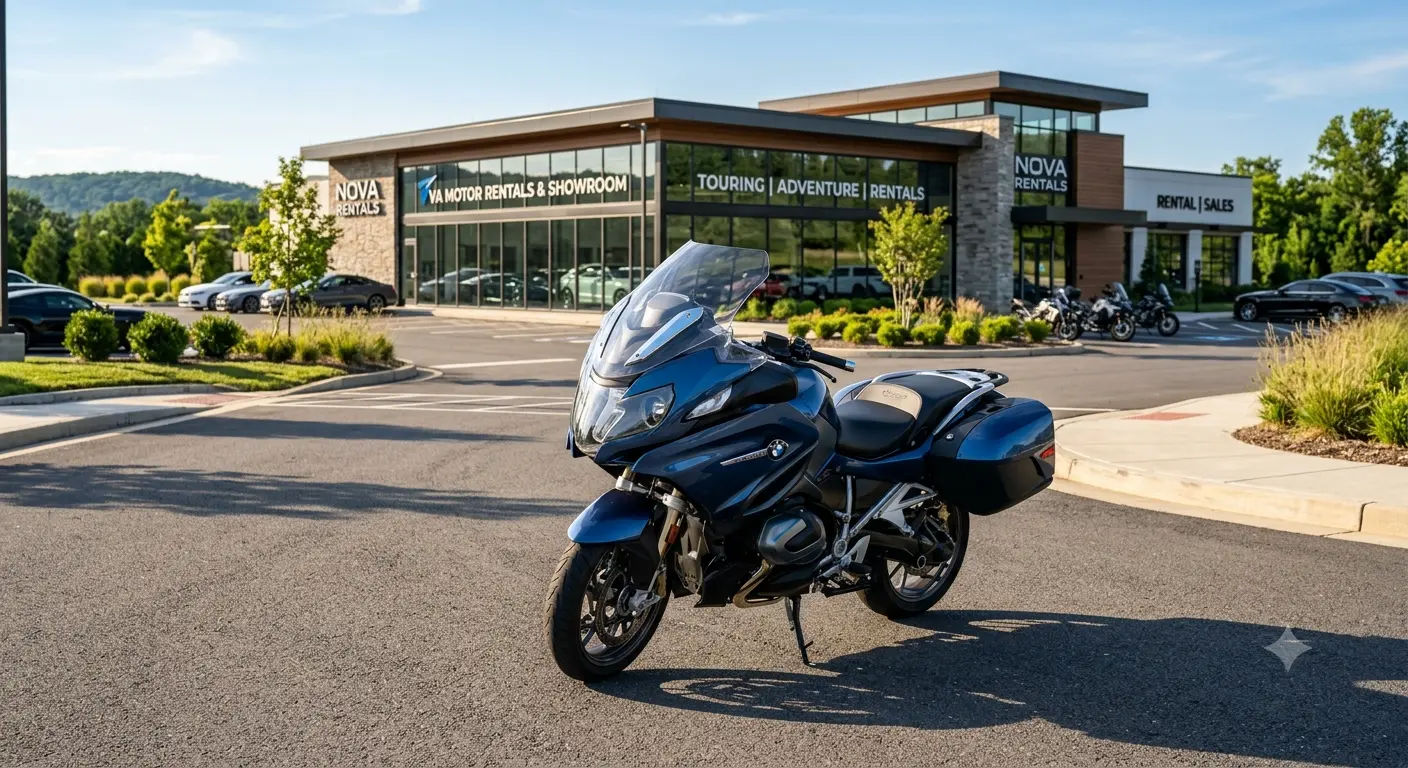
    Navigating the process of renting a motorcycle in Northern Virginia requires a clear understanding of state insurance mandates, rental platform options, and license verification standards.

    Choosing the right machine and local rental service ensures a seamless transition from the airport terminal straight onto scenic asphalt.

    Essential Rental Requirements and Regulations

    To secure a motorcycle rental in NOVA, major platforms and local outfits strictly require an unrestricted, valid motorcycle endorsement on your driver’s license.

    International visitors must present a recognized license from their home country along with an International Driving Permit (IDP) if their credentials are not printed in English.

    Most companies enforce a minimum age requirement of 21 years old.

    Insurance coverage is another critical consideration.

    While basic liability is usually included or offered, opting for supplemental collision and comprehensive protection protects you against unexpected damage costs or gravel slide incidents on mountain passes. Always conduct a thorough walk-around inspection, taking clear photos of existing frame wear, tire tread depth, and fluid levels before driving off the lot.

    Where to Ride From Northern Virginia

    Once you pick up your rental machine in hubs like Fairfax, Arlington, or Dulles, seamless access to premier riding corridors awaits.

    Heading west on Route 50 leads directly toward quiet Virginia wine country and the foothills of the Shenandoah Valley.

    Planning your pickup during non-peak commute hours allows you to bypass heavy suburban highway congestion and escape directly onto peaceful, historic byways.

    Unlock Your Virginia AdventureRenting a motorcycle in Northern Virginia gives you total freedom to explore historic monuments, rolling hills, and technical mountain twists without hauling your personal bike across country.

    Verify your credentials, inspect your rental carefully, and prepare for an unforgettable ride.

    Reserve your machine.

    Double-check the gear.

    Hit the open road.

    References & Sources

    * Virginia Department of Motor Vehicles (DMV) β€” Non-Resident and Rental Licensing Standards β€” dmv.virginia.gov

    * American Motorcyclist Association (AMA) β€” Touring and Rental Safety Guidelines β€” americanmotorcyclist.com

    * Virginia Tourism Corporation β€” Northern Virginia Scenic Highway Maps β€” virginia.org

    [Disclaimer: This article is provided for informational, inspirational, and educational purposes only. Rental company terms, age thresholds, security deposits, and insurance coverage requirements vary by provider. Always verify specific terms and road boundary restrictions directly with your chosen rental agency before confirming your reservation.]

    Enjoyed This Guide? Explore More Virginia Riding Resources:

    If you found this article helpful, dive deeper into our top-recommended guides to stay safe, well-equipped, and ready for your next Appalachian adventure:

    1. State Legal Rules & Safety Regulations: Stay fully compliant on state highways with our updated overview of Virginia motorcycle laws 2026 helmets lane splitting and regulations (https://motorcyclevirginia.com/virginia-state-motorcycle-laws-2026-helmets-lane-splitting-and-regulations/).
    2. Technical Mountain Routes: Tackle 320 sharp switchbacks across Southwest Virginia using our Virginia State Route 16 complete riding guide to the Back of the Dragon (https://motorcyclevirginia.com/virginia-state-route-16-riding-guide-back-of-the-dragon/).
    3. Long-Distance Trip Prep: Ensure your bike is 100% mechanically prepped before heading out with how to prepare your motorcycle for long-distance touring (https://motorcyclevirginia.com/how-to-prepare-your-motorcycle-for-long-distance-touring/).
    4. DIY Brake & Safety Maintenance: Keep your stopping power at peak performance with our hands-on guide to motorcycle brake pad replacement DIY step-by-step maintenance (https://motorcyclevirginia.com/motorcycle-brake-pad-replacement-diy-step-by-step-maintenance/).
    5. Group Intercom Tech Reviews: Upgrade your helmet comms for group rides by comparing Cardo vs Sena choosing the best motorcycle intercom for group rides (https://motorcyclevirginia.com/cardo-vs-sena-choosing-the-best-motorcycle-intercom-for-group-rides/).
  • Virginia Motorcycle Helmet Laws: Requirements & Safety Guide

    Virginia Motorcycle Helmet Laws: Requirements & Safety Guide

    Riding through the Commonwealth of Virginia offers some of the most spectacular highways in the nation, but staying safe and legally compliant is paramount before hitting the road. Unlike some neighboring states that have partial helmet requirements based on age, Virginia maintains a strict, universal stance on protective headgear for all riders.Navigating Virginia motorcycle helmet laws requires a clear understanding of state statutes, mandatory safety certification standards, and required eye protection rules. Ensuring your gear meets these official guidelines guarantees a safe, hassle-free ride across the Old Dominion.

    Mandatory Gear Standards and Eye Protection

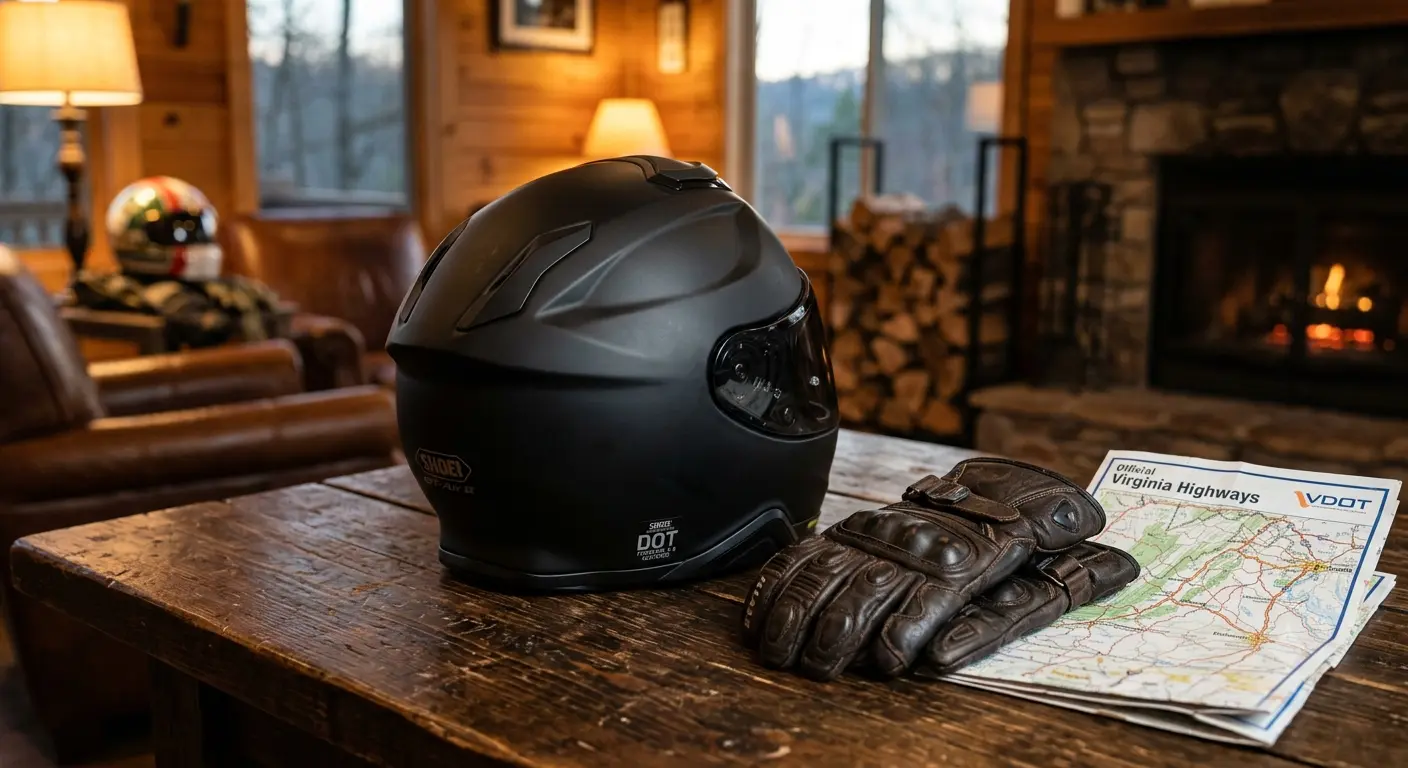
    Under Virginia Code Β§ 46.2-910, every operator and passenger on a motorcycle must wear a helmet that meets or exceeds standards established by the Department of Transportation (DOT), Snell Memorial Foundation, or the American National Standards Institute (ANSI).

    A legally compliant helmet must have a rigid outer shell, impact-absorbing liner, and a secure chin strap engaged whenever the motorcycle is in motion.In addition to mandatory headgear, Virginia law mandates proper eye protection unless your motorcycle is equipped with an approved safety windshield.

    Riders must wear an approved face shield attached to the helmet, shatterproof goggles, or heavy-duty safety glasses.

    Standard non-rated sunglasses generally do not satisfy state legal requirements for impact resistance against airborne debris and insects.

    The Value of Compliance and Safety

    Understanding local equipment regulations protects you from unnecessary traffic stops and ensures maximum physical protection on high-speed corridors.

    Quality protective gear reduces fatigue caused by wind noise and road glare, allowing you to stay focused on the changing traffic around you.Investing in a high-quality, properly fitted helmet with certified protection is the single most effective step any motorcyclist can take before setting out on Virginia’s scenic highways.

    Conclusion:

    Ride Legal, Ride SafeWhether you are a local resident or a visiting touring rider, respecting Virginia motorcycle helmet laws keeps your journey smooth and safe. Double-check your helmet’s safety rating stickers, secure your chin strap, and enjoy everything the state’s roadways have to offer.Gear up correctly.

    Respect the code.

    Enjoy the ride.

    References & Sources

    * Virginia Law Library β€” Code of Virginia Β§ 46.2-910 (Motorcycle Helmet and Eye Protection Requirements) β€” law.lis.virginia.gov

    * Virginia Department of Motor Vehicles (DMV) β€” Motorcycle Operator Manual and Safety Standards β€” dmv.virginia.gov

    * National Highway Traffic Safety Administration (NHTSA) β€” Federal Motor Vehicle Safety Standard No. 218 (DOT Helmet Standards) β€” nhtsa.gov

    [Disclaimer: This article is provided for informational, inspirational, and educational purposes only. State traffic codes and equipment regulations are subject to statutory updates. Always consult the official Virginia Department of Motor Vehicles (DMV) publications and state code registers for current legal requirements.]