Author: LEDJ EDEL

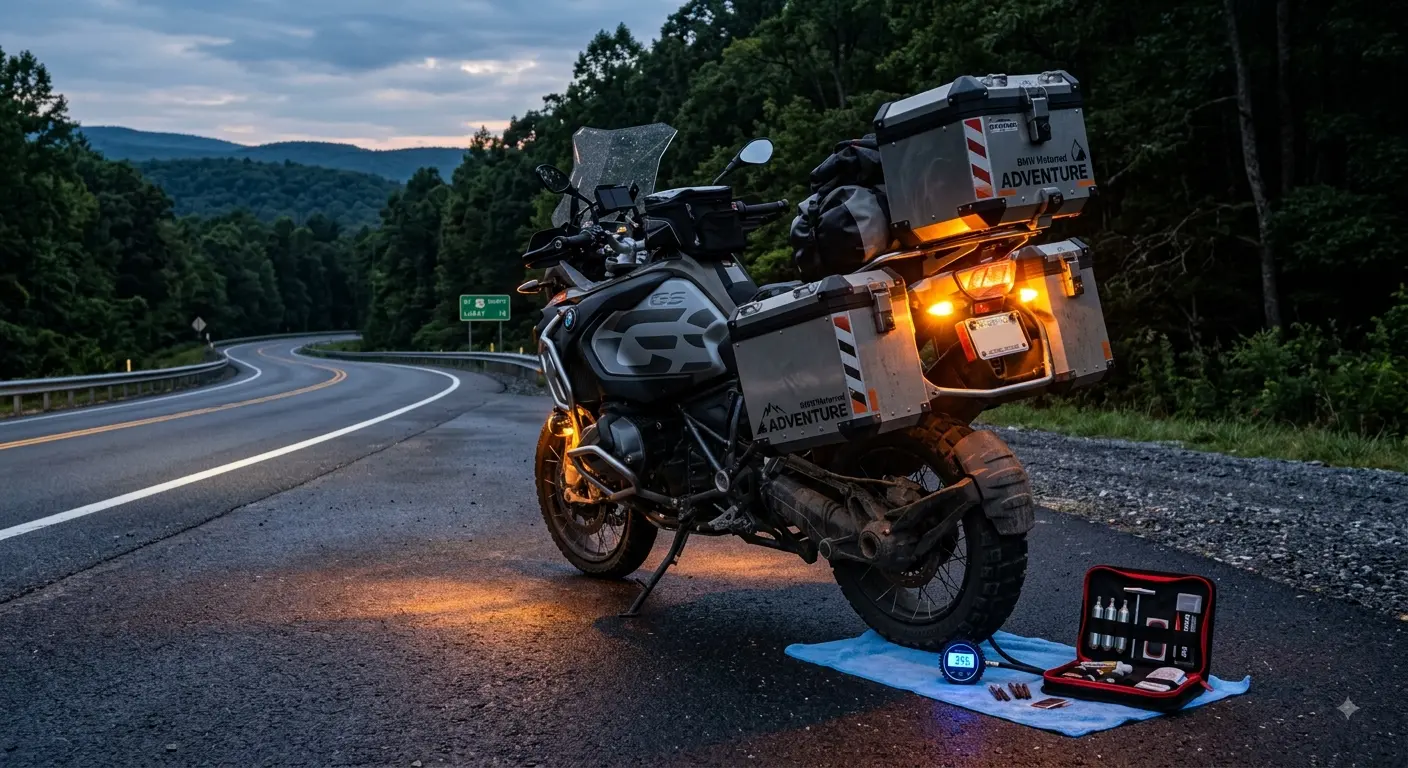
  • Don’t Let Your Bike Fail You in the Middle of Nowhere: The Complete Pre-Trip Motorcycle Maintenance Guide

    Don’t Let Your Bike Fail You in the Middle of Nowhere: The Complete Pre-Trip Motorcycle Maintenance Guide

    Disclaimer:

    [This guide is provided for informational and educational purposes only. Motorcycle maintenance procedures vary by make, model, and year. Always consult your motorcycle’s official owner’s manual and, when in doubt, have your machine inspected by a certified motorcycle technician before undertaking a long-distance trip.]

    A breakdown 200 miles from the nearest town isn’t just inconvenient — it can be dangerous. Here is everything you need to check before your wheels leave the driveway.

    Introduction:

    The Ride Starts in the GarageLong-distance motorcycle riding is one of the most rewarding experiences a rider can have.

    The open road, the changing scenery, the complete sense of freedom — it is unlike anything else on two wheels.

    But every experienced touring rider knows a truth that beginners often learn the hard way: the success of a long ride is decided before it ever begins.Mechanical failures on long trips are rarely sudden surprises.

    In most cases, they are the result of a problem that was already developing — a tire wearing thin, a chain slowly stretching, a brake pad quietly fading — and that a proper pre-trip inspection would have caught in time.This guide walks you through every critical system on your motorcycle, in the order you should inspect it, so that when you finally pull onto that open highway, you can focus entirely on the ride — not on what you may have forgotten to check.

    1. Tires — Your Only Contact With the RoadNo component on your motorcycle is more mission-critical than your tires.

    They are the only part of the machine in contact with the road surface, and their condition affects braking, cornering, stability, and fuel efficiency simultaneously.

    1.1 Tire PressureCheck tire pressure when the tires are cold — meaning the motorcycle has not been ridden for at least three hours.

    Pressure expands as tires heat up, and a warm reading will give you a falsely high number.

    Consult your motorcycle’s owner manual or the sticker on the swingarm for the manufacturer-recommended PSI for both front and rear tires.On long touring trips — especially with a passenger or full luggage — manufacturers often recommend increasing pressure by 3 to 5 PSI to account for the added load.

    Use a dedicated motorcycle tire pressure gauge; car gauges are not always accurate at motorcycle PSI ranges.

    1.2 Tread DepthWorn tread dramatically reduces wet-weather grip and braking effectiveness.

    The legal minimum tread depth in the United States is 2/32 of an inch (1.6mm), but safety professionals strongly recommend replacing tires before they reach that point.

    Use a tread depth gauge for an accurate reading.

    Inspect the tires visually for uneven wear patterns, which may indicate alignment or suspension problems.

    Check for cracks, bulges, embedded objects (nails, glass, wire), or sidewall damage.

    Any of these is grounds for replacement before a long trip.

    1.3 Tire AgeEven tires with adequate tread depth degrade over time due to rubber oxidation.

    Most manufacturers recommend replacing motorcycle tires after five years from the date of manufacture, regardless of tread depth.

    The manufacturing date is encoded in the last four digits of the DOT code on the tire sidewall — for example, “1224” means the 12th week of 2024.

    2. Brakes — The System That Keeps You AliveBrakes are non-negotiable.

    On a long ride, you may encounter emergency stops, wet roads, mountain descents, and heavy traffic.

    A brake system that performs adequately around town may not have the reserve capacity to handle extended hard use.

    2.1 Brake Pad ThicknessMost brake pads have a wear indicator groove. When the groove disappears, the pad must be replaced immediately.

    As a general rule, replace pads when they reach 2mm of friction material or less.Replace pads in axle pairs — both front calipers together, and the rear separately.

    2.2 Brake FluidBrake fluid is hygroscopic — it absorbs moisture from the air over time.

    As moisture content increases, the fluid’s boiling point drops, which can lead to brake fade under sustained heavy use (such as on long mountain descents).

    Check the fluid level in both the front and rear master cylinder reservoirs. It should fall between the MIN and MAX lines.

    Inspect the fluid’s color.

    Fresh DOT 4 fluid is light amber.

    Dark brown or black fluid should be flushed and replaced.Most manufacturers recommend a complete brake fluid flush every two years, or annually for high-mileage riders.

    Use only the brake fluid type specified in your owner’s manual (DOT 3, DOT 4, or DOT 5.1).

    Mixing types can compromise the system.

    2.3 Brake Lines and CalipersInspect rubber brake lines for cracking, swelling, chafing, or kinking.

    Check caliper slide pins for smooth operation and adequate lubrication.Apply both brakes independently at low speed and confirm there is no sponginess, pulsing, or pulling to one side.

    3. Chain and Drive SystemA neglected chain is one of the most common causes of mechanical failure on long motorcycle trips.

    A snapped or derailed chain can lock the rear wheel, causing a catastrophic crash.

    3.1 Chain SlackCheck chain slack with the motorcycle on its side stand (or center stand if equipped), with a rider’s weight simulated if possible.

    The standard specification for most motorcycles is 25 to 35mm of vertical free play measured at the midpoint of the lower chain run.

    Always confirm the exact specification in your owner’s manual, as it varies by model.

    A chain that is too tight places excessive stress on the transmission output shaft and sprockets.

    A chain that is too loose can jump the sprocket teeth or contact the swingarm.

    3.2 Chain LubricationLubricate the chain after every 300 to 500 miles of riding, or more frequently in wet or dusty conditions.

    Apply chain lube to the inner side of the chain (where it contacts the sprocket teeth) while slowly rotating the rear wheel.

    Use a motorcycle-specific chain lubricant.

    Avoid WD-40 as a chain lubricant — it is a solvent and will dry out the chain’s O-rings.

    Wipe off excess lubricant to prevent it from slinging onto the rear tire.

    3.3 Sprocket ConditionInspect both the front (countershaft) and rear sprockets for wear.

    Worn sprocket teeth take on a “shark fin” or hooked shape rather than a symmetrical profile.

    Replace the chain and both sprockets together — installing a new chain on worn sprockets accelerates wear and risks chain skipping.

    4. Engine Oil and FluidsEngine oil is the lifeblood of your motorcycle’s engine.

    On a long trip, your engine will run for sustained hours at highway RPMs — conditions that demand properly maintained lubrication.

    4.1 Engine Oil Level and ConditionCheck oil level using the sight glass or dipstick after the engine has been warmed up and then allowed to sit for two to three minutes.

    The oil should sit between the MIN and MAX marks.

    Check oil color on the dipstick. Black, gritty, or milky oil (which indicates coolant contamination) requires an immediate oil change before the trip.If the oil change interval falls within your planned mileage, change the oil before departure rather than during or after.

    4.2 Coolant (Liquid-Cooled Engines)Check the coolant level in the overflow reservoir — it should be between MIN and MAX.Inspect hoses for cracks, swelling, or soft spots.

    Check the condition of the coolant.

    It should be clean and brightly colored.

    Discolored or rusty coolant should be flushed.Most manufacturers recommend a coolant flush every two years.

    4.3 Clutch and Throttle CablesInspect cable housings for kinking, fraying, or cracking.

    Verify that the throttle opens smoothly and — critically — snaps back to closed position instantly when released.

    A sticky throttle is an emergency at highway speed.

    Adjust cable free-play at the perch adjuster to manufacturer specification.

    Most throttle cables should have 2 to 3mm of free-play at the grip.

    Apply a drop of cable lubricant to the cable entry points at the handlebars and at the carburetor or throttle body.

    5. Electrical System and LightsAn electrical failure can leave you stranded after dark or, worse, invisible to other drivers.

    Before any long trip, perform a complete lighting and electrical inspection.

    5.1 Lighting CheckHeadlight: Verify both low and high beam function.

    Check aim — a headlight pointing too high blinds oncoming traffic; too low, and you lose forward visibility.

    Tail light and brake light: Test activation via both the front brake lever and rear brake pedal independently.

    Turn signals: Test all four.

    Check that they flash at a steady, consistent rate — a rapid flash indicates a burned-out bulb.

    Instrument cluster: Verify speedometer, tachometer, fuel gauge, and all warning indicators illuminate during the start-up self-check.

    5.2 BatteryInspect battery terminals for corrosion (white or greenish buildup).

    Clean with a wire brush and apply terminal protector spray.Check that terminal connections are tight and secure.

    If the battery is more than three years old, consider having it load-tested at a shop.

    A battery that starts the bike fine in warm weather may fail in the cold of an early morning mountain stop.

    Carry a compact lithium jump starter on long trips as insurance against a dead battery far from assistance.

    6. Suspension and SteeringSuspension absorbs the road’s imperfections and keeps the tires in contact with the surface.

    Worn or improperly set suspension directly degrades handling, rider comfort, and tire wear on a long journey.

    6.1 Fork Inspection (Front Suspension)Inspect the fork tubes for oil streaks or wet patches, which indicate a leaking fork seal.

    A leaking fork must be repaired before a long trip — oil contaminating the front brake rotor is a serious safety hazard.

    Check for pitting or scoring on the fork tube surface.With the front brake applied, push down firmly on the handlebars several times.

    The fork should compress and rebound smoothly and evenly, with no binding, grinding, or asymmetric movement.

    6.2 Rear Shock / Suspension LinkageInspect the rear shock for oil leaks at the shock body.

    Check linkage bearings and pivot points for play or roughness.Adjust preload for your load configuration.

    If carrying a passenger and luggage, increase preload to prevent the suspension from bottoming out.

    6.3 Steering Head BearingsWith the front wheel off the ground (use a paddock stand), gently sweep the handlebars from lock to lock. Movement should be smooth and effortless with no notchiness or rough spots.With the front wheel on the ground, grip the front forks and push/pull fore and aft.

    Any clunking or play indicates loose steering head bearings that must be adjusted or replaced.

    7. Nuts, Bolts, and Frame — The T-CLOCS MethodThe Motorcycle Safety Foundation (MSF) developed the T-CLOCS inspection framework as a standardized pre-ride checklist.

    It covers six key areas:T — Tires and Wheels: Pressure, tread, sidewalls, spokes, wheel bearings, and axle nuts.

    C — Controls: Levers, pedals, cables, hoses, and throttle operation.L — Lights and Electrics: All lights, battery, switches, and wiring.

    O — Oil and Fluids: Engine oil, coolant, brake fluid, and fuel level.

    C — Chassis: Frame, suspension, chain/belt/shaft, and steering.

    S — Stands: Center stand and/or side stand engagement and spring tension.Running through the T-CLOCS checklist takes approximately 10 to 15 minutes and provides systematic coverage of every critical system before departure.

    8. Fuel System and Range Planning

    8.1 Fuel Level and ReserveBegin every long trip with a full tank.Know your motorcycle’s total fuel capacity and realistic range at highway speeds.

    Highway fuel consumption is typically higher than city riding due to sustained higher RPMs.Plan fuel stops to occur every 75% of your maximum range — never push to empty, especially in remote areas.

    8.2 Fuel Lines and PetcockInspect rubber fuel lines for cracking, swelling, or seeping at connection points.

    On motorcycles with a manual petcock, verify it operates correctly in both ON and RESERVE positions.

    Check the fuel cap seal for deterioration, which can cause vapor lock or fuel spillage at speed.

    9. Luggage, Accessories, and Load SecurityImproperly secured luggage can shift weight unpredictably at highway speeds, catastrophically altering the motorcycle’s handling characteristics.

    Mount all saddlebags, tail bags, and tank bags before the trip and confirm they are secure and centered.

    Verify that no part of the luggage can contact the rear tire, exhaust pipes, or suspension components at any point during operation.Do not exceed your motorcycle’s specified maximum payload capacity, which includes rider, passenger, and luggage combined.

    This figure is found in the owner’s manual.

    Distribute weight as low and centered as possible.

    Heavy items at the top of a bag raise the center of gravity and negatively affect cornering.

    Use quality cam straps or cargo nets for soft luggage. Inspect attachment points and straps for wear before each day of riding.

    10. Emergency Kit — What to Carry on Every Long TripEven the most thoroughly prepared motorcycle can suffer an unexpected failure. Carrying a compact emergency kit can be the difference between a minor inconvenience and a crisis.

    Recommended emergency kit contents:Tire repair kit: A tubeless tire plug kit or CO₂ inflators for tubeless tires.

    A portable 12V mini air compressor for top-up after a plug repair.Basic tool kit: A set of hex keys (Allen wrenches) in sizes matching your motorcycle’s fasteners, screwdrivers (flathead and Phillips), adjustable wrench, and pliers.Spare fuses: Carry a complete set of spare fuses matching your motorcycle’s fuse box.

    An electrical failure caused by a blown fuse is one of the easiest roadside repairs imaginable — if you have the spare.

    Spare bulbs: Headlight, tail light, and turn signal bulbs.Duct tape and zip ties: Universally useful for temporary field repairs.

    Jump starter: A compact lithium jump starter weighs less than one pound and can restart a dead motorcycle without requiring another vehicle.First aid kit: A compact motorcycle-specific kit with wound dressings, antiseptic wipes, and elastic bandages.

    Chain lube and a small rag: For top-up lubrication during multi-day trips.Roadside assistance membership: An AMA membership or equivalent roadside assistance plan provides towing, technical assistance, and trip routing support for a modest annual fee.Conclusion: The Best Ride Is a Safe OneA motorcycle is a precision machine, and like all precision machines, it rewards careful attention.

    The pre-trip inspection described in this guide is not excessive caution — it is the standard of care that experienced long-distance riders consider basic practice.

    Set aside two to three hours the day before a major trip to work through this checklist methodically.

    Address anything that fails inspection before departure, not on the road.

    Carry your emergency kit.

    Know your fuel range.

    Secure your load.

    The miles ahead are open.

    The road is waiting.

    The only question is whether your motorcycle is as ready for the journey as you are.References & SourcesMotorcycle Safety Foundation (MSF) — T-CLOCS Pre-Ride Inspection Checklist & Rider Education Programs — msf-usa.org National Highway Traffic Safety Administration (NHTSA) — Motorcycle Safety: Tire Maintenance, Braking Systems, and Rider Preparedness — nhtsa.

    govAmerican Motorcyclist Association (AMA) — Long-Distance Riding Guidance & Roadside Assistance Programs — americanmotorcyclist.comMotorcycle Industry Council (MIC) — Tire Safety and Maintenance Guidelines — mic.orgU.S. Tire Manufacturers Association (USTMA) — Tire Age, DOT Date Codes, and Replacement Guidelines — ustires.orgCycle World / Motorcyclist Magazine — Long-Distance Pre-Trip Inspection Best Practices (Technical Editorial Reference) — cycleworld.com

  • The Ultimate 2026 Guide to US Motorcycle Laws: Helmets, Lane Filtering, and More

    The Ultimate 2026 Guide to US Motorcycle Laws: Helmets, Lane Filtering, and More

    Disclaimer:

    The information provided in this article is for informational and educational purposes only and does not constitute formal legal advice. Motorcycle laws change frequently, and local ordinances may vary.

    While we strive to ensure 100% accuracy, always verify current regulations with the official Department of Motor Vehicles (DMV) or local law enforcement of the specific state you are riding in before hitting the road.

    Introduction: The Law Can Save Your Life — Or Cost You EverythingEvery year, thousands of motorcyclists pull out of their driveways with a clear sky overhead and the confidence that comes from knowing their machine.

    What many of them don’t know — and what can end a ride in a courtroom, a hospital, or worse — is the patchwork of state and federal laws that govern every mile they travel.

    The United States does not have a single, unified motorcycle law. Instead, it operates under a complex, often contradictory system where the legal rules change the moment you cross a state line.

    The helmet you’re legally required to wear in one state is merely optional in the next.

    The lane-filtering maneuver that’s perfectly legal in Arizona could earn you a heavy traffic citation in Texas.

    The handlebars that passed inspection in Florida might violate specific equipment standards in California.

    This isn’t bureaucratic trivia — it is the difference between riding with confidence and riding with liability.

    Whether you are a weekend cruiser, a daily commuter, or a cross-country tourer, understanding these laws is not optional.

    It is the foundation of responsible, lawful riding.

    This guide breaks down the most critical areas of motorcycle law across the United States, state by state, so that you ride not just with skill — but with full legal awareness.

    Part 1: Helmet Laws — The Most Debated Safety RequirementNo area of motorcycle law generates more public debate, legal dispute, or personal conviction than helmet requirements.

    American law has landed in three distinct camps.

    Universal Helmet LawsStates with universal helmet laws require every motorcyclist — regardless of age or experience — to wear a helmet that meets federal safety standards set by the Department of Transportation (DOT).

    States with universal helmet laws include: (California/New York/Washington/Oregon/Maryland/New Jersey/Georgia/Alabama/Mississippi/Nevada/Tennessee/North Carolina/West Virginia/VermontIn )these states, riding without a DOT-compliant helmet is a direct violation.

    A compliant helmet must bear the DOT FMVSS 218 certification label. Novelty helmets that merely look like motorcycle helmets — without meeting these standards — do not satisfy the law and can result in citations.Partial Helmet Laws (Age-Restricted)Many states take a middle-ground approach, requiring helmets only for riders under a specified age — typically 17, 18, or 21 years old.

    Examples of partial helmet law states:Florida: Helmets required for riders under 21.

    Riders 21 and older may ride without a helmet if they carry at least $10,000 in medical benefits insurance explicitly covering motorcycle injuries.

    Texas: Riders 21 and older may ride without a helmet if they have completed an approved safety course or carry applicable medical insurance.

    Michigan: Riders 21 and older with at least one year of riding experience — or completion of a safety course — may ride without a helmet, provided they carry additional medical insurance.

    Ohio: Helmets required for riders under 18 and those operating on a novice license.

    States With No Helmet Law A small minority of states impose no helmet requirement whatsoever for adult riders, leaving the decision entirely to the individual:IllinoisIowaNew HampshireThe DOT Standard: Across all helmet law states, the reference point is the Federal Motor Vehicle Safety Standard (FMVSS) No. 218.

    A compliant helmet must weigh at least three pounds, have an inner liner of approximately one inch of firm polystyrene foam, and carry a permanent exterior DOT label.

    Part 2: Lane Splitting, Lane Filtering, and Lane SharingFew topics in motorcycle law generate more confusion — or more enforcement inconsistency — than the practice of riding between lanes of traffic.Lane SplittingLane splitting refers to riding a motorcycle between two lanes of moving or stopped traffic, typically at highway speeds.

    California is the only U.S. state where full lane splitting is explicitly legal and codified under Vehicle Code Section 21658.1. In all other states, doing so risks citations for reckless driving or improper lane usage.

    Lane FilteringLane filtering is a more limited, low-speed practice: moving between stopped or very slow-moving vehicles, typically at intersections.

    A growing number of states have legalized it under strict conditions:Utah (2019): Allowed at speeds up to 15 mph when traffic is stopped.

    Montana (2021): Permitted up to 20 mph when traffic is stopped.

    Arizona (2022): Permitted on roads with speed limits of 45 mph or less; the motorcycle cannot exceed 15 mph.

    Colorado: Permits filtering only when traffic is completely stopped and the rider does not exceed 15 mph.

    Minnesota: Allows riders to filter past stopped traffic under strict speed caps.

    Lane Sharing (Two Abreast)Lane sharing — two motorcycles riding side by side within the same lane — is legal in most U.S. states, provided it is limited to exactly two motorcycles abreast.

    However, lane sharing between a motorcycle and a car is universally illegal across all fifty states.

    Part 3: Equipment Requirements — What Your Bike Must HaveFederal and state regulations impose specific equipment standards.

    Riding a machine that does not meet these standards can result in citations and increased liability in an accident.

    Handlebar HeightMany states restrict handlebar height to prevent “ape hanger” style custom setups from compromising rider control.

    California (CVC Section 27801): It is illegal to operate a motorcycle with handlebars that position the rider’s hands more than 6 inches above the uppermost part of the seat when occupied.Texas, Ohio, and New York: Apply a different metric, prohibiting handlebars that place the hands above the rider’s shoulder height.

    Turn Signals and LightingFederal standards require all motorcycles manufactured after January 1, 1973 to be equipped with operational front and rear turn signals.

    Many states also mandate that the headlight run at all times while in motion, even in bright daylight.

    Headlight modulators — which pulse the light to increase daytime visibility — are specifically permitted under 49 CFR Part 571.108 and are legal in all 50 states.

    Exhaust Systems and Noise RegulationsAftermarket exhaust systems are a significant source of legal risk.

    Federal law under the Clean Air Act prohibits tampering with original emissions equipment, including factory mufflers.California (CVC Section 27202): Prohibits exhaust systems exceeding 80 dB(A) for models manufactured after 1985 — the strictest standard in the country.

    New York: Strictly prohibits any muffler modification that amplifies sound above original factory specifications.

    Eye ProtectionIn states where helmets are optional, eye protection laws almost always apply.

    Most states require riders without a full-face shield to wear goggles or safety glasses meeting ANSI impact standards.

    A motorcycle windshield does not legally satisfy eye protection requirements in most jurisdictions.

    Part 4: Hidden and Overlooked Motorcycle LawsThe “Dead Red” Laws (Traffic Light Exemptions)Because motorcycles are lightweight and contain less metal than cars, they often fail to trigger the electromagnetic inductive-loop sensors buried under the asphalt at traffic lights.

    To prevent riders from being trapped indefinitely at red lights, more than 20 states have passed “Dead Red” laws — including Illinois, Missouri, North Carolina, and Tennessee.

    These laws allow a motorcyclist to legally proceed through a steady red light after:Bringing the vehicle to a complete stopWaiting for a specified period (typically 45 to 120 seconds)Confirming the intersection is completely clear of oncoming trafficAudio and Communication Equipment LawsWith the rise of Bluetooth helmet communicators, audio laws have become more heavily enforced.

    California and Maryland: It is explicitly illegal to ride while wearing traditional headphones or earphones in both ears.

    Riders are restricted to a speaker or earbud in one ear only.Custom noise-reduction earplugs designed to block wind noise without blocking ambient traffic sounds are permitted in several states — but regulations vary significantly by jurisdiction.

    State Mandatory Safety InspectionsState-level inspection requirements vary dramatically:Mandatory Annual Inspections: New York, Pennsylvania, Virginia, and Massachusetts require strict annual safety inspections covering brakes, lights, tires, and steering.

    No Inspection Required: New Jersey (abolished motorcycle inspections in 2010), California, Florida, and Texas do not require periodic inspections — putting the full legal responsibility on the owner to maintain the vehicle to state code.

    Part 5: Licensing, Insurance, and DUI MandatesThe “M” EndorsementOperating a motorcycle without a dedicated license class or an “M” endorsement on a standard driver’s license is a criminal misdemeanor in most states.

    Most states allow riders to waive the DMV riding skills test by successfully completing a state-approved safety course, such as the Motorcycle Safety Foundation (MSF) Basic RiderCourse.

    Insurance and Financial ResponsibilityMotorcycle liability insurance is mandatory in 49 states.

    Minimum coverage is typically expressed as a three-tier metric — for example, 25/50/20 — representing:$25,000 bodily injury per person$50,000 bodily injury per accident$20,000 property damage per accidentThe Florida Exception: Florida does not require motorcyclists to purchase liability insurance to register a motorcycle.

    However, under the state’s Financial Responsibility Law, if a rider causes an accident without insurance, they face severe financial penalties and license suspensions.

    Riding Under the Influence (DUI / DWI)The legal Blood Alcohol Concentration (BAC) limit is 0.08% nationwide for riders over 21.

    Because operating a motorcycle requires significantly higher motor coordination and balance than driving a car, law enforcement officers heavily scrutinize motorcyclists for impairment.

    Penalties are identically severe to automobile DUIs.Conclusion: Preparation Dictates the RideRiding a motorcycle across the United States offers unparalleled freedom — but that freedom requires navigating a shifting legal landscape.

    A legal maneuver in one town can easily become a traffic citation an hour later across a state border.

    By ensuring your machine complies with local equipment codes, securing proper endorsements, and knowing state-specific rules like lane filtering or “Dead Red” exemptions, you protect both your physical safety and your legal rights on the road.

    References & Sources :

    American Motorcyclist Association (AMA) — State-by-State Motorcycle Laws & Regulations Database — americanmotorcyclist.comNational Highway Traffic Safety Administration (NHTSA) — Federal Motor Vehicle Safety Standard (FMVSS) No. 218 Helmet Guidelines — nhtsa.govCalifornia Department of Motor Vehicles (DMV) — California Vehicle Code (CVC) Sections 21658.1 (Lane Splitting) and 27801 (Safety Equipment Regulations) — dmv.ca.govInsurance Institute for Highway Safety (IIHS) — Motorcycle Helmet Law Maps and Statutes by State — iihs.orgColorado Department of Transportation (CDOT) — Lane Filtering Operational Mandates and Rules of the Road — codot.govMotorcycle Safety Foundation (MSF) — RiderCourse Program Standards and Licensing Endorsement Pathways — msf-usa.org

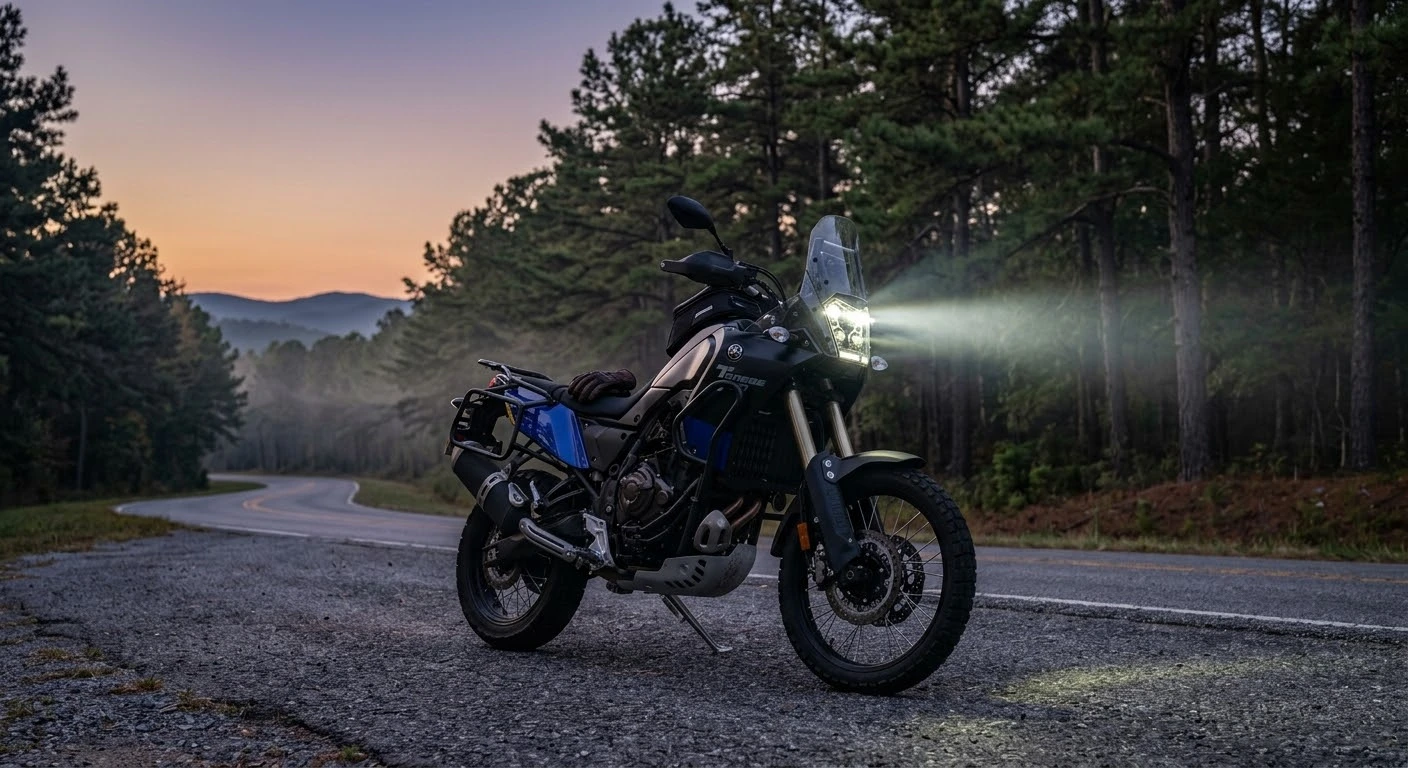
  • Mastering Mountain Curves: Essential Riding Techniques for Virginia’s Backroads

    Mastering Mountain Curves: Essential Riding Techniques for Virginia’s Backroads

    Disclaimer:

    [ The information in this article is for educational purposes only and does not replace professional, hands-on motorcycle training. Riding on mountain roads involves inherent risks. Always consult certified riding instructors and verify safety techniques with official motorcycle safety organizations before attempting challenging routes.]

    There is a unique thrill that comes with turning your motorcycle into a sharp mountain bend, feeling the suspension compress, and leaning with the machine as the road sweeps around a cliffside. Virginia’s backroads, from the sweeping vistas of Skyline Drive to the tight switchbacks of the Blue Ridge Parkway, offer some of the finest riding in North America. These asphalt ribbons cut through the Appalachian Mountains, promising pure freedom to anyone on two wheels.

    However, these breathtaking scenery demands a high level of skill. Mountain curves are vastly different from flat highway cruising; they feature unpredictable elevation changes, blind corners, and shifting traction levels that can catch even experienced riders off guard. One wrong entry speed or a sudden panic brake can quickly turn a perfect weekend ride into a dangerous situation. To ride these scenic routes safely and confidently year after year, you must master the fundamental physics of cornering. In this guide, we break down the essential techniques that will help you conquer the curves, protect your line, and navigate Virginia’s finest twisties with absolute control.

    Understanding Body Position in Corners

    The way you position your body on the motorcycle directly impacts how the bike handles a turn. Proper body position reduces the lean angle required to make a corner, leaving you with more tire traction and a safer margin for error.

    To achieve the correct position, avoid fighting the motorcycle’s natural lean. Keep your spine aligned with the bike or lean slightly into the turn, moving your upper body toward the inside mirror. Relax your arms and keep your elbows bent; stiff arms absorb road bumps poorly and restrict steering inputs. Finally, keep your knees tucked tightly against the fuel tank to stabilize your lower body and maintain a firm connection with the machine.

    The Importance of Target Fixation

    One of the most critical psychological aspects of cornering is where you direct your eyes. A phenomenon known as target fixation causes a rider to steer toward whatever they are looking at. If you stare at a guardrail, a pothole, or the edge of the road, your motorcycle will naturally drift toward that hazard.

    To corner safely, you must actively train your vision to look through the turn. Keep your head up and look as far ahead as possible toward the exit of the curve, not at the pavement immediately in front of your front tire. By looking where you want to go, your brain automatically calculates the correct path and lean angle, allowing you to navigate sharp bends smoothly and avoid sudden panics.

    Throttle and Brake Control

    Managing your speed is the golden rule of mountain riding. Entering a corner too fast forces you to brake hard while leaning, which can destabilize the suspension and cause the tires to lose traction.

    The correct technique follows a simple sequence: slow, look, press, and roll. First, reduce your speed using both brakes before you enter the turn while the motorcycle is still upright. Once you begin to press the handlebars to lean into the curve, ease off the brakes completely. Hold a steady throttle through the apex of the turn to keep the chassis stable. As you see the exit of the corner and begin to straighten the motorcycle, gently roll on the throttle to smoothly accelerate out of the bend.

    Adapting to Virginia’s Elevation Changes

    Virginia’s mountain roads are famous for their sudden elevation changes, which add another layer of complexity to cornering. Uphill curves require more throttle to maintain momentum, while downhill curves shift the motorcycle’s weight forward, reducing rear-wheel traction and increasing the braking load on the front tire.

    When riding downhill, brake earlier and more progressively before the turn. Be prepared for blind crests where the road drops away suddenly, and look out for unexpected hazards such as loose gravel washed from hillsides, damp patches hidden under mountain shadows, or wildlife crossing the road. Adapting your speed to these natural elements ensures you stay in total control.

    Safety First

    Mastering mountain curves is a continuous journey that requires patience, practice, and the right mindset. No matter how experienced you become, always wear full protective gear, including a high-quality helmet, riding jacket, gloves, and sturdy boots. Never ride beyond your personal skill level or the limits of your motorcycle. By respecting the road and continuously refining your technique, you can enjoy the twists and turns of Virginia’s beautiful highways safely for many years to come.

  • Top 10 Motorcycles for Riding Virginia’s Scenic Byways in 2026

    Top 10 Motorcycles for Riding Virginia’s Scenic Byways in 2026

    The 2026 motorcycle season has turned out to be one of the most exciting in recent memory. Manufacturers are pushing in two directions at once: sharper, smarter performance machines on one side, and a wave of nostalgic, retro-inspired models on the other. Whether you’re chasing laps, looking for your first bike, or simply want something beautiful to cruise on a Sunday morning through Virginia’s mountain roads, here are ten motorcycles defining this year.

    1.Honda CBR1000RR-R Fireblade SP

    Honda’s flagship sportbike remains the gold standard for liter-class performance. Its screaming inline-four engine, aerodynamics borrowed straight from Honda’s racing division, and razor-sharp chassis make it a serious contender for riders who want pure, race-bred thrills.

      2. BMW S1000RRThe S1000RR

      continues to lead the pack when it comes to electronics. Its semi-active suspension and refined riding modes give it an edge in both comfort and control, making it one of the most technologically advanced sportbikes you can buy this year.

      3. Yamaha YZF-R1

      While rivals chase bigger horsepower numbers, Yamaha’s R1 focuses on balance—a lighter chassis, predictable handling, and an engine tuned for real-world usability. It’s the sportbike for riders who value control as much as speed.

      4. KTM 1390 Super Duke RRKTM’s

      latest Super Duke pushes the naked-bike category to new extremes. Aggressive styling, a punchy V-twin, and track-level electronics combine to create a machine that feels equally at home carving canyon roads or hitting the track.

      5. Honda CB750 Hornet

      Introduced as a mid-weight standout, the CB750 Hornet blends agile handling with genuine daily-ride comfort. Its parallel-twin engine delivers strong real-world fuel economy, making it one of the most practical performance bikes of the year.

      6. Yamaha MT-09

      The MT-09’s torquey triple engine and adjustable suspension continue to win over riders who want one bike that can do it all—commuting, weekend rides, and the occasional spirited backroad. Its comfortable seating position also makes it a favorite among taller riders.

      7. Triumph Trident 800

      Triumph expanded the Trident lineup in 2026 with more power and the same character that made the original Trident 660 a hit. With a full suite of rider aids and an engaging triple-cylinder engine, it’s positioned as one of the best everyday motorcycles on the market.

      8. Royal Enfield Himalayan 750

      Marking Royal Enfield’s first move into 750cc territory, the Himalayan 750 brings a bigger parallel-twin engine to the brand’s beloved adventure platform. After years of anticipation, it’s set to be one of the most talked-about adventure bikes of the year.

      9. Indian Chief Vintage

      The Chief Vintage proves that nostalgia and performance can coexist. Skirted fenders and fringed leather saddlebags hide a modern Thunderstroke engine underneath, delivering classic cruiser looks with thoroughly contemporary power and reliability.

      10. Kawasaki Ninja 500 SE

      Not every great motorcycle needs huge horsepower. The Ninja 500 SE is built specifically for new riders, with smooth power delivery and a light clutch pull that make it approachable without feeling underpowered. It remains one of the smartest choices for anyone starting their riding journey.

      Final ThoughtsFrom hypernaked monsters to beginner-friendly cruisers, 2026 offers something for every type of rider. The common thread across this list is balance—manufacturers are building motorcycles that are genuinely enjoyable to live with every day on the open road. Whichever category speaks to you, this is shaping up to be one of the best years yet to get back on two wheels.

    1. Skyline Drive: The 35-MPH Ride Every Motorcyclist Secretly Loves

      Skyline Drive: The 35-MPH Ride Every Motorcyclist Secretly Loves

      For most motorcyclists, a 35-mph speed limit sounds like a punishment. We buy machines built for acceleration, cornering, and the thrill of the open road. So why does a 105-mile stretch of asphalt with a strict, crawl-paced speed limit top the bucket list of riders across America?Welcome to Skyline Drive.Running the entire length of Shenandoah National Park in Virginia, this National Scenic Byway is a paradox. It is slow, it is heavily patrolled, and it is absolute motorcycling heaven. Here is the secret behind why riders love it, and how to conquer it perfectly.

      1. The Rhythm of the Ride (Why 35 MPH Works)The magic of Skyline Drive isn’t about adrenaline; it’s about rhythm.The road is carved directly into the crest of the Blue Ridge Mountains. Without stoplights, commercial trucks, or cross-streets, you enter a continuous, flowing ribbon of smooth asphalt. Sweeping curves blend into one another seamlessly. At 35 mph, you don’t need to fight your bike; you lean into a gentle, rhythmic dance with the mountain.It turns riding from a high-stress workout into pure, therapeutic cruising. You actually have the time to breathe in the crisp mountain air and look at the world around you.

      2. The Built-In Danger: Wildlife and Blind CurvesThere is a very practical reason behind the strict speed limit, and it adds an element of genuine suspense to the ride. Shenandoah National Park is packed with wildlife.The Local Residents: White-tailed deer, wild turkeys, and black bears treat Skyline Drive like their personal walkway.The Challenge: Dense tree canopies shade the road, creating dramatic patches of light and shadow. A deer standing just around a blind, sun-dappled curve is a common sight.Riding here requires sharp, defensive focus. It’s a test of smooth braking and situational awareness, making the slow pace feel surprisingly engaging.

      3. The 75-Overlook Treasure HuntSkyline Drive features 75 designated overlooks, offering panoramic views of the Shenandoah Valley to the west and the rolling Piedmont region to the east. You don’t just ride this road—you collect views.If you want the absolute best spots to park your bike and snap a photo, make sure to stop at:Range View Overlook (Mile 17.1): Provides a sweeping, uninterrupted view down the northern section of the valley toward Mount Marshall.Spitler Knoll Overlook (Mile 48.1): A massive, wide-open meadow view that creates a perfect, dramatic backdrop for your motorcycle.Big Meadows (Mile 51): The perfect halfway mark to refuel, grab a hot meal, and chat with fellow riders who always congregate here.

      4. Choosing Your Season: Spring vs. The Autumn CrushThe character of the Drive changes completely depending on when you open your throttle:The Fall Foliage (October): This is when the mountain explodes into vibrant reds, deep oranges, and brilliant yellows. It is visually stunning, but be warned—you will share the road with thousands of “leaf-peepers” in rental cars. Go early in the morning to beat the crowds.The Spring Awakening: If you want the road to yourself, ride in May. The wildflowers are blooming, the waterfalls are rushing, and the traffic is almost non-existent.The VerdictSkyline Drive is a reminder of why we started riding in the first place. It’s not about getting to a destination as fast as possible; it’s about the pure connection between the tires, the winding road, and the horizon.Pack your gear, pay the $25 motorcycle park entrance fee, and leave your need for speed at the gate. You’re about to fall in love with 35 mph.

    2. The Ultimate Guide to the Best Motorcycle Routes in Virginia (2026 Edition)

      The Ultimate Guide to the Best Motorcycle Routes in Virginia (2026 Edition)

      From sweeping Blue Ridge vistas to historic coastal byways — Virginia delivers the ride of a lifetime.

      Introduction: Why Virginia Is the Top Destination for Motorcyclists

      Virginia is one of those rare states that seems purpose-built for two-wheeled exploration. Tucked between the rugged Appalachian highlands and the tidal shores of the Chesapeake, the Commonwealth offers a riding experience that blends mountain adrenaline with Southern charm.

      You can carve through 300-curve mountain corridors in the morning and cruise past colonial plantation estates by afternoon — all in a single day.

      Whether you’re a seasoned sport rider chasing technical switchbacks or a touring enthusiast who savors scenic overlooks and small-town pit stops, Virginia has a road with your name on it. This guide breaks down the very best motorcycle routes in the state, what makes each one special, what to expect on the road, and how to plan the perfect ride.

      1.Blue Ridge Parkway America’s Favorite Drive

      Distance: 216 miles (Virginia section)

      Difficulty: Moderate

      Best Season: Spring & Fall

      If there is one road that defines motorcycle touring in the eastern United States, it is the Blue Ridge Parkway. Often called “America’s Favorite Drive,” this legendary route spans 469 total miles, with 216 of those miles winding through Virginia’s mountains before crossing into North Carolina.

      What sets the Parkway apart is its singular focus on the riding experience. There are no stop signs, no traffic lights, and no commercial trucks along the entire route — just sweeping curves, layered mountain ridges, and a seemingly endless procession of pullouts and overlooks.

      Riders pass through 26 tunnels and beneath hand-crafted stone bridges that feel like portals into another era. The Virginia section begins near Waynesboro, at the southern terminus of Skyline Drive, and rolls southwestward through the heart of the Blue Ridge Mountains.

      Along the way, historic landmarks like Mabry Mill — one of the most photographed spots on the entire Parkway — and the rocky shoulders of the Roanoke Valley break up the ridgeline scenery beautifully.

      ⚠️ Crucial Riding Tips for the Blue Ridge Parkway:

      Obey the 45 mph speed limit: It exists for good reason. The Parkway features decreasing-radius curves — corners that tighten as you enter them — which demand patience and discipline. According to the National Park Service, up to 250 motorcycle accidents occur on the Parkway each year, making awareness essential.

      Stay in the center of your lane: Road shoulders are intentionally narrow, designed to let the natural landscape grow close to the pavement. Straying to the edges can have serious consequences.

      Fall foliage timing matters: The Virginia section of the Parkway typically peaks in mid to late October (around October 10–20). If you want maximum color, plan your ride for this window and aim for weekdays to avoid crowds.

      Fuel up early and often: Gas stations along the Parkway are scarce. Top off your tank whenever the opportunity presents itself

      2.Skyline Drive — The Crown Jewel of Shenandoah

      Distance: 105 miles

      Difficulty: Easy to Moderate

      Best Season: Year-round (Spring and Fall are exceptional)

      Skyline Drive is, without question, Virginia’s crown jewel for motorcyclists. Running along the crest of the Blue Ridge Mountains through the entirety of Shenandoah National Park, this 105-mile road offers 75 breathtaking overlooks, access to over 500 miles of hiking trails, and some of the most serene riding scenery in the entire country.

      The route begins at Front Royal in the north and meanders south to Waynesboro, where it connects seamlessly with the Blue Ridge Parkway. Unlike many mountain roads, Skyline Drive is smooth, well-maintained, and consistently stunning.

      The 35 mph speed limit encourages you to slow down and absorb the rolling green valleys, layered ridgelines, and cascading waterfalls visible from the road itself. Wildlife sightings are practically guaranteed here. Deer, wild turkeys, and black bears are regular road-side visitors, so stay alert — particularly at dawn and dusk.

      📍 Don’t Miss Along Skyline Drive:

      Dark Hollow Falls (near Luray): A short, scenic hike accessible from a roadside pullout.

      South River Falls (near Stanardsville): One of the tallest and most majestic waterfalls in the park.

      Stony Man Overlook: Arguably the finest panoramic view on the entire route.

      3.Back of the Dragon (Route 16) — Virginia’s Designated Motorcycle Road

      Distance: 32 miles

      Difficulty: Advanced

      Best Season: Spring through Fall

      You may have heard of the famous “Tail of the Dragon” on the Tennessee–North Carolina border, but Virginia has its own legendary serpentine road — and it doesn’t get nearly the credit it deserves.

      Route 16, known as the “Back of the Dragon,” is Virginia’s only officially designated motorcycle road, and for good reason. This 32-mile stretch packs an astonishing 300 curves between Tazewell and Marion in the mountains of southwest Virginia.

      The Back of the Dragon is a technical rider’s dream. Tight corners, rapid elevation changes, and stunning mountain views combine to create a ride that demands full concentration and rewards skilled throttle control.

      Unlike its more famous Tennessee counterpart, the Back of the Dragon sees far less traffic, giving you room to breathe — and ride — at your own pace. The surrounding landscape of Clinch Mountain and Hungry Mother State Park adds gorgeous backdrops throughout. Small towns along the way offer local diner stops and genuine Appalachian hospitality.

      4.US Route 250 — The Mountain Rollercoaster

      Distance: ~100 miles (to Elkins, WV)

      Difficulty: Advanced

      Best Season: Late Spring through Early Fall

      If raw mountain riding is what you crave, US Route 250 will deliver. Starting in Staunton, Virginia and climbing westward toward Elkins, West Virginia, this 100-mile stretch is one of the most technically demanding roads in the region. Tight switchbacks, steep elevation changes, and constantly varying road surfaces keep riders fully engaged from start to finish.

      The route passes through both the George Washington and Monongahela National Forests, offering deep forest scenery and occasional wildlife encounters along the way.

      The town of Monterey, Virginia — sitting at the intersection of US 250 and US 220 — has earned a reputation as one of the most rider-friendly communities in the area, thanks to the warmth its locals show toward motorcyclists.

      Road conditions vary. Some stretches are freshly paved and smooth; others are patchy and require careful line selection. The combination of challenge and scenery makes this a deeply satisfying ride for experienced riders who appreciate mastery over comfort.

      5.Colonial Parkway — History Meets Scenery

      Distance: 23 miles

      Difficulty: Easy

      Best Season: Year-round (Fall foliage is spectacular)

      Not every great motorcycle road needs to be a technical challenge. The Colonial Parkway proves that beauty and history can make a ride every bit as memorable as curves and elevation.

      This 23-mile scenic byway connects the three cornerstones of Virginia’s Historic Triangle — Colonial Williamsburg, Jamestown, and Yorktown — through a ribbon of lush, traffic-calmed roadway designed specifically for leisurely exploration.

      The route follows the banks of the York and James rivers through dense colonial-era forest, with no commercial development, no billboards, and no distractions from the immersive natural and historical setting. In autumn, the foliage along the Parkway transforms into a tunnel of gold, orange, and crimson that rivals anything in New England.

      For riders who enjoy pairing their routes with cultural stops, the Historic Triangle is hard to beat. Walking through the living history of Colonial Williamsburg or standing on the Yorktown battlefield adds a dimension to the ride that pure mountain roads simply cannot offer.

      6.US Route 58 — Virginia’s Grand Cross-State Journey

      Distance: ~500 miles (Tennessee border to Virginia Beach)

      Difficulty: Easy to Moderate

      Best Season: Spring and Fall

      US Route 58 is the ultimate Virginia road trip. Stretching nearly 500 miles from the Tennessee state line all the way to Virginia Beach, this route serves as a sampler of everything the Commonwealth has to offer — Appalachian highlands, Piedmont farmland, historic small towns, and finally, the Atlantic coast.

      The western end near the Virginia–Tennessee border delivers mountain scenery and winding roads. As the route moves east through towns like Stuart, South Boston, and Emporia, it transitions into rolling country fields and pine forests before the flatlands open up into the Hampton Roads region and the ocean beyond.

      Route 58 is ideal for multi-day touring. Riders can break the journey in towns like Abingdon (a charming arts community in the far southwest) or South Hill, and arrive at Virginia Beach for a well-earned oceanfront finish.

      7.The Five & Dime Loop (VA-5 and VA-10) — The Hidden Gem

      Distance: ~60 miles (loop)

      Difficulty: Easy

      Best Season: Year-round

      Lesser-known than the mountain routes, the Five & Dime Loop is a local favorite among riders in the Richmond area. Taking its name from Virginia Routes 5 and 10, this loop combines John Tyler Memorial Highway (VA-5) with a free ferry crossing of the James River and a relaxed cruise through the farmland of Surry County.

      VA-5 traces the north bank of the James through some of Virginia’s most iconic plantation estates, including Shirley Plantation and Berkeley Plantation. The ride through peaceful countryside and past historic landmarks is unhurried and deeply scenic.

      At the Jamestown-Scotland Ferry terminal, riders board a free ferry for a brief, relaxing crossing of the James River into Surry County. From there, VA-10 winds back through quiet woodlands and small communities before completing the loop. It’s the perfect antidote to white-knuckle mountain riding — and the ferry crossing alone makes it worth the detour.

      Essential Tips for Riding in Virginia

      Know the Laws: Virginia requires all motorcycle riders and passengers to wear helmets. Ensure your bike’s headlights are on at all times — it’s both a legal requirement and a visibility best practice on mountain roads.

      Choose the Right Season: Spring (April–June) and fall (September–November) offer the most rewarding riding conditions. Summer brings heat in the valleys but pleasantly cooler temperatures at elevation. Winter riding on mountain routes is strongly discouraged, as many roads close seasonally and icy conditions develop quickly.

      Watch for Wildlife: Deer crossings are common across virtually every route in this guide. Dawn and dusk carry the highest risk. Scan the tree lines and road edges constantly, particularly on forested routes like Skyline Drive and the Blue Ridge Parkway.

      Plan Your Fuel Stops: Mountain routes like Skyline Drive and the Blue Ridge Parkway have limited fueling options. Always start with a full tank, and stop whenever you spot a gas station — even if you don’t feel like you need it yet.

      Gear Up Properly: Virginia’s mountain elevations can produce significant temperature drops, even in summer. Layer appropriately, carry a rain layer, and invest in quality gloves and boots for both safety and comfort over long distances.

      Conclusion: Virginia Is Waiting for You

      Few states can match Virginia when it comes to sheer variety of riding experiences. Whether you’re ticking off bucket-list roads like Skyline Drive and the Blue Ridge Parkway, chasing curves on the Back of the Dragon, or soaking in colonial history along the James River, every mile offers something worth savoring.

      The best motorcycle route in Virginia is ultimately the one that matches your riding style, your skill level, and what you’re chasing on any given day. But if you’re new to the state and can only choose one road to start, make it Skyline Drive. It is gorgeous, accessible, and the kind of ride that turns first-timers into lifelong Virginia devotees.

      Pack your gear, plan your stops, and ride safe. The Blue Ridge Mountains are calling.

      Disclaimer: Always ride within your limits, wear proper safety gear, and check road conditions before departure. Shenandoah National Park charges an entrance fee for access to Skyline Drive.