Author: LEDJ EDEL

  • Best Spring Motorcycle Rides in Virginia for Scenic Blooms 2026

    Best Spring Motorcycle Rides in Virginia for Scenic Blooms 2026

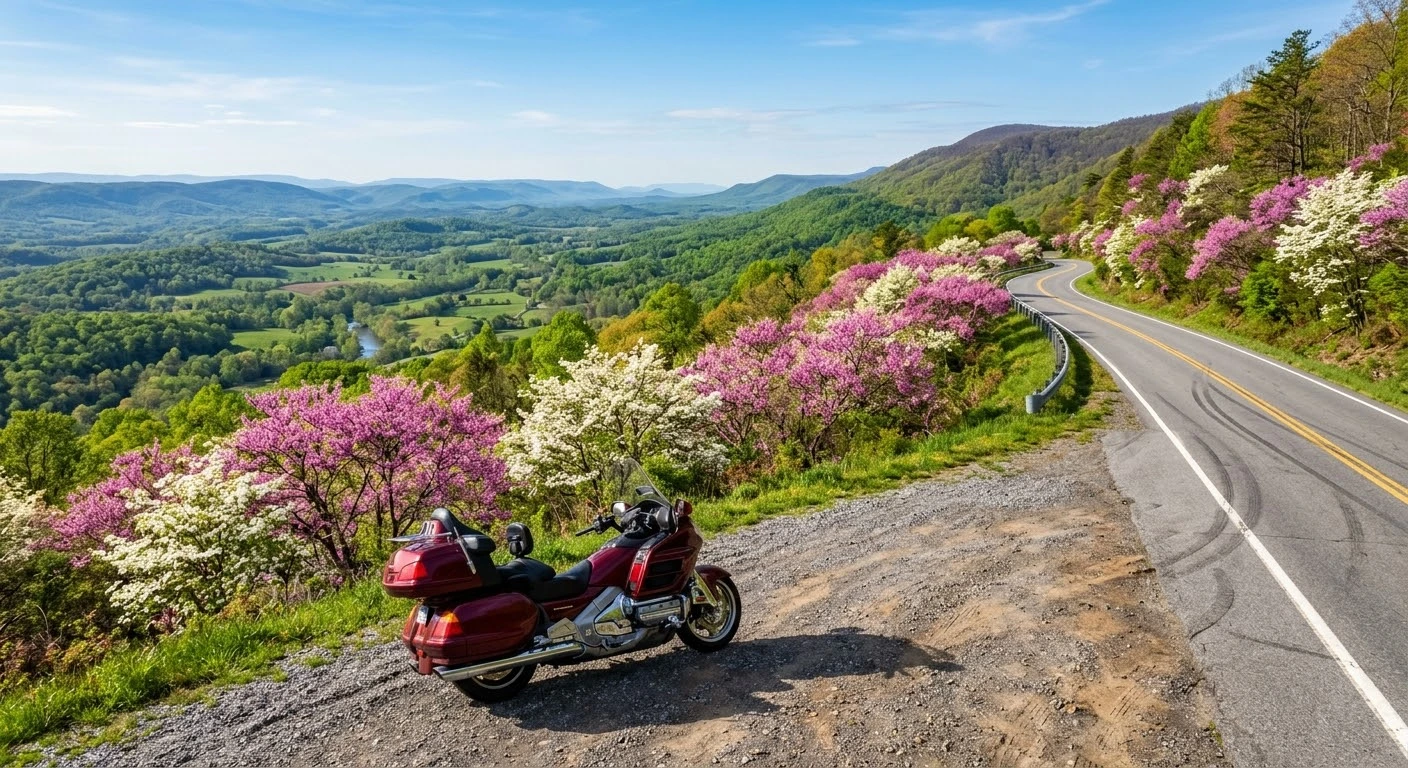
    There is a distinct moment every April when the cold bite of Appalachian winter officially surrenders to something extraordinary. The crisp morning air carries the rich scent of damp pine and mountain laurel, and the dark, winter-weary asphalt of Virginia’s backroads is suddenly framed by vibrant explosions of pink redbuds, snow-white dogwoods, and lush valley greenery. Throwing a leg over your motorcycle during this seasonal awakening is pure magic. Taking on the best spring motorcycle rides in Virginia for scenic blooms is about feeling the subtle shifts in thermal mountain currents, watching entire valleys transform in real time, and celebrating the long-awaited return of warm, winding miles.

    Spring Bloom Route Data & Regional Comparisons

    To help you timing your rides effectively, the table below compares Virginia’s top spring corridors based on elevation, dominant floral species, and peak viewing windows:

    Scenic CorridorPeak Bloom WindowPrimary Floral SpeciesAverage Spring Temp (°F)Technical Difficulty
    Shenandoah Valley (Rt 11 / Rt 211)Early April – Mid AprilEastern Redbud, Apple Blossoms58°F – 64°FModerate
    Skyline Drive (Central Section)Mid April – Late AprilFlowering Dogwood, Mountain Laurel50°F – 58°FRelaxed (35 mph)
    Blue Ridge Parkway (Northern VA)Late April – Early MayWild Azaleas, Red Maples52°F – 60°FSweeping Curves
    Southwest Heritage Trail (Rt 58 / Rt 16)Late April – Mid MayMountain Laurel, Rhododendron55°F – 65°FHighly Technical

    Top Spring Routes & Seasonal Riding Conditions

    Planning a spring ride requires balancing temperature variations with elevation shifts across the Commonwealth:

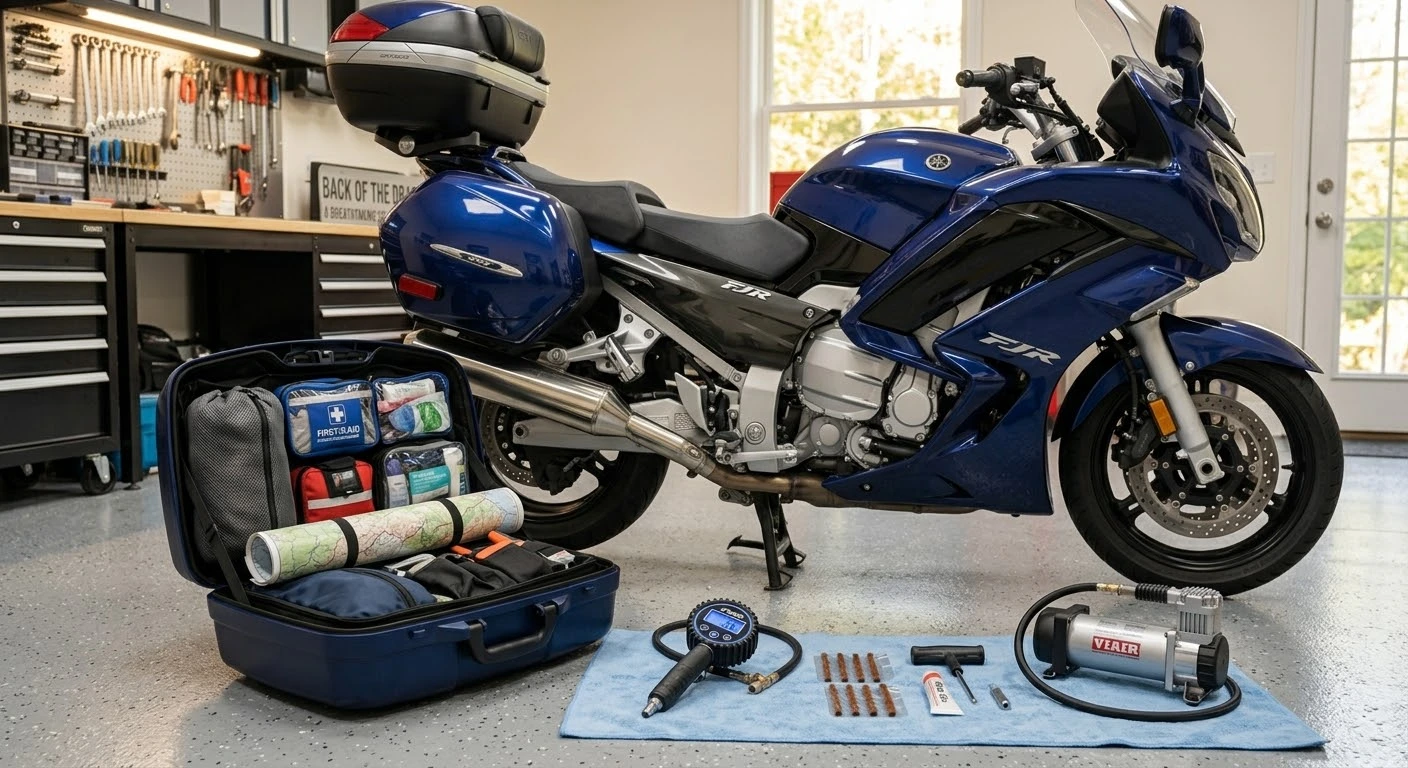
    • 1. Shenandoah Valley Apple Blossom Loop (Route 211 to Winchester): Riding through Page Valley in mid-April offers miles of orchard blossoms framed by the Blue Ridge Mountains. Ensure your motorcycle is in top mechanical shape before setting off by reviewing our guide on how to prepare your motorcycle for long-distance touring.
    • 2. The Redbud Run via Route 39 (Maury River Canyon): This route winds alongside towering rock faces covered in magenta redbud blossoms. Because spring road surfaces can hold morning moisture, maintain smooth throttle control and stay informed on legal gear requirements by checking Virginia motorcycle laws 2026 helmets lane splitting and regulations.
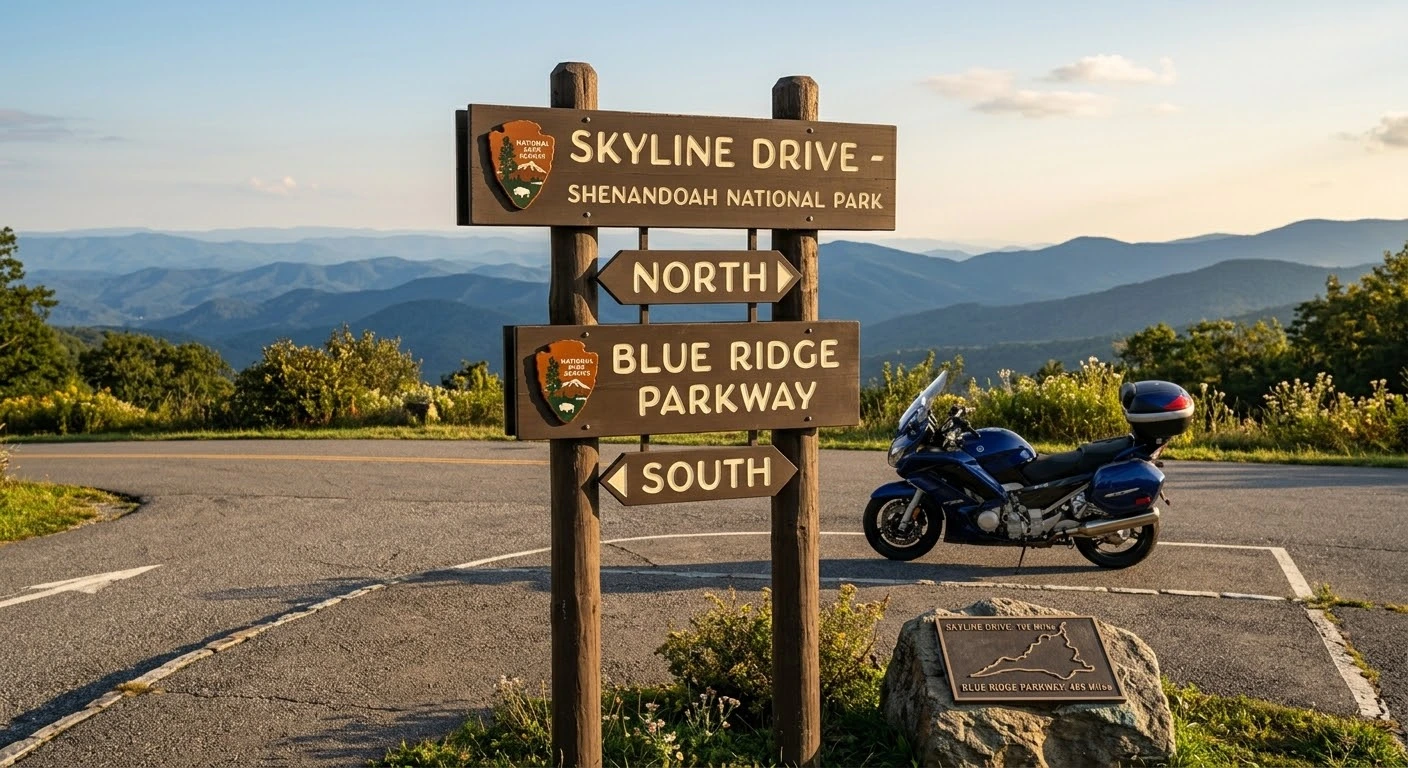
    • 3. Skyline Drive Dogwood Crest: High-elevation spring riding means cooler air, but the white dogwood canopy creates an unforgettable tunnel effect. If you are debating between low-valley runs and high-ridge rides, compare your options in our detailed breakdown of riding Skyline Drive vs Blue Ridge Parkway which route is better.

    Spring Elevation Temperature & Wildlife Activity Metrics

    [Spring Elevation & Wildlife Metrics]
    High Elevation (3,000+ ft): 48°F – 55°F | Peak Bloom: Late April/May | Wildlife Danger: HIGH (Deer/Bears)
    Low Valleys (under 1,000 ft): 60°F – 68°F | Peak Bloom: Early April | Wildlife Danger: MODERATE

    • Thermal Shifts: Temperatures drop roughly 3.5°F for every 1,000 feet of elevation gain. Always pack windproof layers when transitioning from valley floors to mountain crests.
    • Wildlife Movement Stat: Deer and black bear movement along road shoulders spikes by 40% during early morning and dusk hours in spring as animals forage on new plant growth.

    Exploring the best spring motorcycle rides in Virginia for scenic blooms provides a sensory experience that no other season can duplicate. By monitoring bloom windows, tracking elevation temperatures, and respecting seasonal wildlife activity, you can enjoy a safe and visually breathtaking start to your riding year.

    Legal Disclaimer: This guide is provided for informational and travel planning purposes only. Peak bloom dates and road conditions vary annually based on weather patterns. Always verify road status with VDOT before traveling.

    Official & Credible Sources

  • Skyline Drive vs Blue Ridge Parkway: Which Riding Route is Better? (2026)

    Skyline Drive vs Blue Ridge Parkway: Which Riding Route is Better? (2026)

    Virginia is home to two of the most iconic scenic highways in the United States: Skyline Drive and the Blue Ridge Parkway. Running along the crest of the Blue Ridge Mountains, both routes offer sweeping valley views, dense forest canopies, and smooth mountain asphalt. However, choosing between riding Skyline Drive vs Blue Ridge Parkway which route is better depends entirely on your preferred speed, budget, route length, and riding style.

    Key Differences: Skyline Drive vs. Blue Ridge Parkway

    Understanding the operational differences helps you select the ideal route for your journey:

    • Distance & Coverage: Skyline Drive spans 105 miles strictly within Shenandoah National Park (from Front Royal to Waynesboro). The Blue Ridge Parkway begins where Skyline Drive ends, stretching 469 miles south into North Carolina.
    • Speed Limits & Pace: Skyline Drive strictly enforces a 35 mph speed limit due to dense wildlife activity and high park traffic. The Blue Ridge Parkway allows a slightly faster 45 mph cruise, providing a more fluid, long-range touring rhythm.
    • Entry Fees: Skyline Drive requires a National Park entrance fee (or America the Beautiful Pass) since it runs entirely through a national park. The Blue Ridge Parkway is completely free to ride with no toll gates or entry fees.
    • Overlooks & Scenery: Skyline Drive features 75 designated overlooks, mostly facing east and west across the Shenandoah Valley. The Blue Ridge Parkway offers vast elevation changes, passing through higher mountain gaps, deep gorges, and rustic historic landmarks.

    Which Route Fits Your Riding Style?

    Select your route based on your trip duration, cornering expectations, and itinerary goals:

    • Choose Skyline Drive if: You want a relaxed, highly regulated weekend cruise with guaranteed amenities, frequent scenic overlooks, and proximity to national park campgrounds. It pairs exceptionally well with multi-day trips when you prepare your gear using our checklist on how to prepare your motorcycle for long-distance touring.
    • Choose the Blue Ridge Parkway if: You prefer long-distance touring without entrance fees, higher speed limits, and the freedom to branch off into technical side routes.
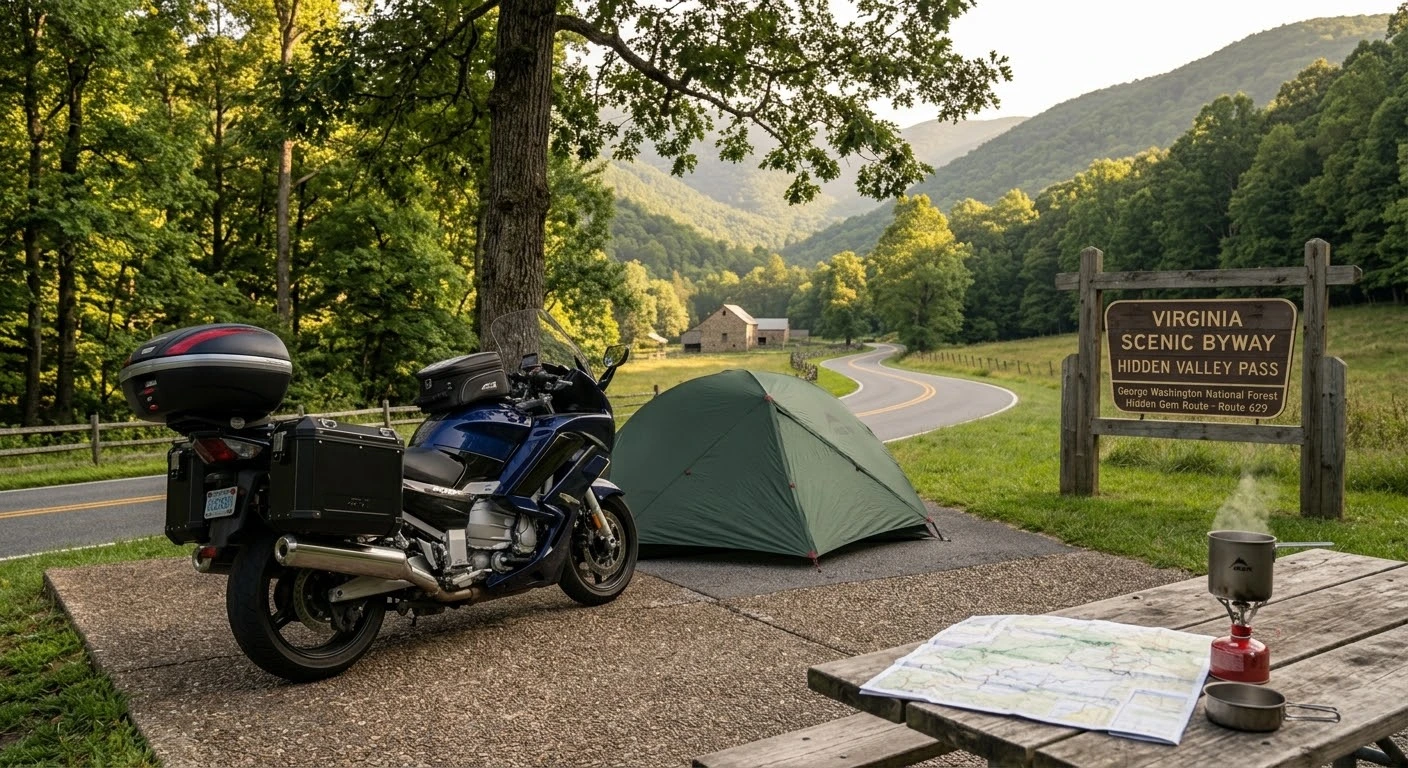
    • Combine Both for the Ultimate Tour: Many riders link both highways into a single multi-day itinerary. If you plan to camp along the ridge, review our guide on motorcycle camping in Virginia top campsites and route planning to book paved-pad campsites in advance.
    • Looking for Technical Curves Instead? If both parkways feel too relaxed and you crave sharper switchbacks and extreme lean angles, head further southwest to tackle Virginia State Route 16 complete riding guide to the Back of the Dragon.

    Comparing riding Skyline Drive vs Blue Ridge Parkway which route is better comes down to your personal travel goals. Whether you choose the quiet, park-protected curves of Skyline Drive or the endless mountain horizons of the Blue Ridge Parkway, both deliver world-class motorcycle touring through Virginia’s finest landscapes.

    Legal Disclaimer: This guide is provided for educational and travel planning purposes only. Road closures, weather hazards, and seasonal maintenance affect both parkways. Always check official National Park Service advisories before riding.

    Official & Credible Sources

  • How to Prepare Your Motorcycle for Long-Distance Touring 2026

    How to Prepare Your Motorcycle for Long-Distance Touring 2026

    Embarking on a multi-day highway journey or across-state mountain adventure requires far more than packing a spare change of clothes. Mechanical failures in remote mountain passes can quickly derail a trip and compromise safety. Learning how to prepare your motorcycle for long-distance touring through systematic pre-ride inspections, ergonomic adjustments, and smart luggage packing ensures your machine runs smoothly across hundreds of consecutive miles.

    Mechanical Pre-Trip Inspection & Fluid Checks

    Executing a thorough mechanical check before departure prevents most common roadside breakdowns:

    • Tire Condition & Pressure: Inspect tread depth across center and shoulder grooves. Inflate tires to the manufacturer’s recommended cold pressure for fully loaded touring. Look for hidden punctures, dry rot, or embedded road debris.
    • Fluid Service: Check engine oil level, brake fluid clarity, and radiator coolant reserves. If your oil is near the end of its service life, perform a full oil change before setting out on long highway stretches.
    • Brake System Inspection: Verify brake pad friction material thickness (minimum 2mm). Test lever resistance and ensure brake lines are free of cracks or swelling under pressure.
    • Drive Chain & Belt Tension: Clean, lubricate, and adjust drive chain slack according to factory specs. Check sprockets for hooked teeth or excessive wear.

    Ergonomics, Luggage Packing, and Emergency Prep

    Long hours in the saddle demand ergonomic comfort and balanced luggage weight distribution:

    1. Balance Luggage Weight Distribution: Secure heavy tools and gear low in side panniers or saddlebags to keep your center of gravity stable. Place lighter items like rain gear or sleeping bags on higher rear racks.
    2. Optimize Riding Ergonomics: Adjust handlebar reach, clutch/brake lever angles, and highway peg positioning to reduce wrist and lower back fatigue during multi-hour highway stints.
    3. Pack a Dedicated Emergency Tool Kit: Carry a tire plug repair kit, a portable 12V air compressor, a compact multi-tool, spare fuses, zip ties, and electrical tape for quick roadside fixes.
    4. Ensure Full Legal & Safety Compliance: Verify that all headlights, turn signals, and brake lights function properly. Always ensure your gear complies with local traffic regulations, including state-mandated helmet and equipment rules.

    Mastering how to prepare your motorcycle for long-distance touring turns a potentially stressful journey into a smooth, memorable adventure. By addressing mechanical maintenance early, balancing your luggage, and carrying basic repair supplies, you can ride across long distances with total confidence.

    Legal Disclaimer: This guide is intended for educational and general maintenance planning purposes only. Torque specifications, fluid capacities, and inspection procedures vary by motorcycle model. Always consult your official owner’s manual before making mechanical adjustments.

    Official & Credible Sources

  • Virginia State Route 16: Riding Guide to Back of the Dragon 2026

    Virginia State Route 16: Riding Guide to Back of the Dragon 2026

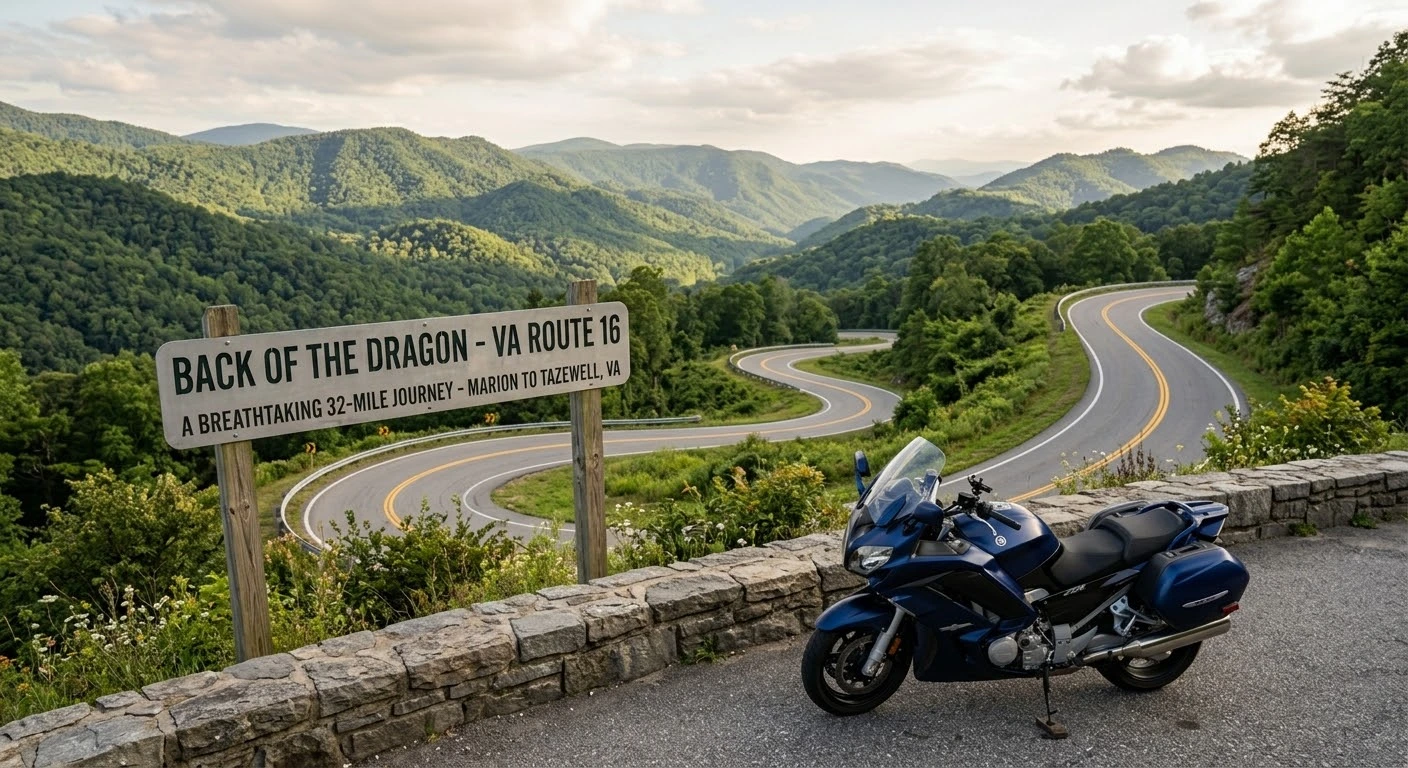
    Crossing two mountain ranges between Marion and Tazewell in Southwest Virginia, Virginia State Route 16 offers one of the most technical riding experiences in North America. Known globally as the “Back of the Dragon,” this 32-mile stretch packs over 320 sharp curves, hairpins, and elevation changes into a dense, forested mountain pass. Following a Virginia State Route 16 complete riding guide to the Back of the Dragon provides riders with the tactical lines, safety precautions, and stopover points necessary to master this legendary Appalachian highway.

    Route Breakdown: The Three Mountain Passes

    State Route 16 cuts directly over Hungry Mother State Park, Walker Mountain, and Clinch Mountain, delivering distinct technical segments:

    • The Southern Climb (Marion to Hungry Mother State Park): Leaving Marion, Route 16 opens with smooth pavement sweepers around Hungry Mother Lake before tightening into dense elevation climbs surrounded by hardwoods.
    • Walker Mountain Summit: The central technical gauntlet features rapid S-curves, decreasing-radius turns, and steep drops requiring precise throttle modulation and smooth lean transitions.
    • Clinch Mountain Descent to Tazewell: The northern section delivers sweeping panoramic valley views, steep switchbacks, and leads directly into Tazewell, home to the official Back of the Dragon Welcome Center.

    Tactical Riding Tips for Technical Mountain Curves

    Navigating over 320 turns in 32 miles demands intense concentration and structured riding discipline:

    1. Maintain Vision Lead into Blind Apexes: Look through every corner toward your exit point. Curves on Route 16 tighten unexpectedly, and maintaining a wide entry line gives you maximum visibility for oncoming traffic.
    2. Control Entry Speed with Trail Braking: Avoid heavy late braking while leaned over. Complete the majority of your deceleration in a straight line before initiating turn-in.
    3. Watch for Shadowed Moisture & Gravel: Dense forest canopy keeps morning dew and tree sap on shaded asphalt long after sunrise. Gravel frequently washes out from unpaved driveway entries after rainstorms.
    4. Respect Local Speed Transitions: Route 16 is a rural two-lane state highway. Mind local speed limits near residential properties and yield to agricultural trucks using the mountain pass.

    Following this Virginia State Route 16 complete riding guide to the Back of the Dragon ensures a safe, thrilling journey across one of the premier motorcycle roads in the United States. Taking time to respect mountain elevation shifts and practicing smooth throttle control will reward you with an unforgettable ride.

    Legal Disclaimer: This guide is provided for educational and travel planning purposes only. Road conditions, construction zones, and weather closures vary by season. Always verify local VDOT travel advisories before riding.

    Official & Credible Sources

  • Virginia Motorcycle Laws 2026: Helmets, Lane Splitting & Regulations

    Virginia Motorcycle Laws 2026: Helmets, Lane Splitting & Regulations

    Riding through the Commonwealth of Virginia requires more than just mechanical readiness and route planning; it demands a clear understanding of state traffic codes. Staying current with Virginia motorcycle laws 2026 helmets lane splitting and regulations ensures your rides remain safe, legal, and free from costly traffic citations. Whether you are navigating urban commutes in Northern Virginia or taking long tours across rural passes, adhering to helmet requirements, equipment rules, and road positioning guidelines is essential for every rider.

    Mandatory Helmet & Protective Equipment Laws

    Virginia maintains strict safety standards regarding rider gear and motorcycle equipment under state law (Code of Virginia § 46.2-910):

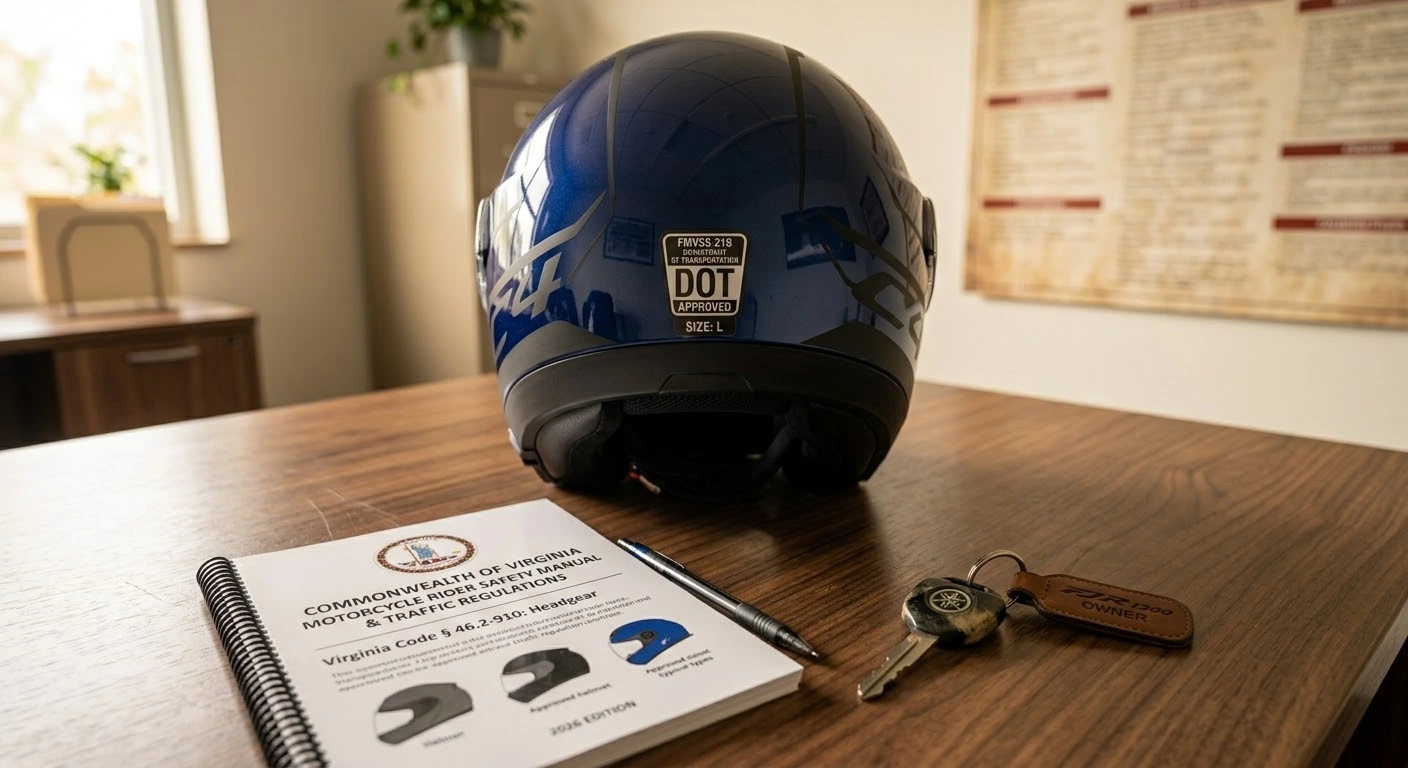
    • Universal Helmet Law: All motorcycle operators and passengers in Virginia are legally required to wear a helmet approved by the Department of Transportation (DOT), Snell Memorial Foundation, or ANSI. Helmets must feature proper labeling and chinstraps secured while moving.
    • Eye Protection Requirements: If your motorcycle is not equipped with an approved safety windshield, you must wear face shields, safety glasses, or shatterproof goggles.
    • Required Vehicle Equipment: To pass state inspection, your motorcycle must feature at least one operating headlight, a rear taillight, a brake light visible from 500 feet, turn signals (if originally equipped), rear-view mirrors, a horn, and a functioning exhaust muffler without cutouts.
    • Passenger Regulations: Passengers must have dedicated footrests and a permanent, firmly attached seat behind the operator or in a sidecar.

    Lane Splitting, Filtering, and Road Positioning Regulations

    Road positioning rules directly impact traffic flow and rider safety across Virginia highways:

    • Lane Splitting is Illegal: Passing vehicles in the same lane or riding between moving traffic lanes (lane splitting) remains strictly illegal in Virginia under § 46.2-857. Violations are enforced as reckless driving infractions in certain contexts.
    • Lane Filtering Status: While neighboring states continue testing low-speed lane filtering at red lights, Virginia law strictly prohibits riding between stopped or slow-moving vehicles. Riders must remain in single-file traffic positions within their designated lane.
    • Full Lane Use & Two-Abreast Riding: Motorcycles are entitled to the full width of a travel lane. Two riders may legally travel side-by-side (two-abreast) in a single lane, provided both operators consent.
    • Traffic Signal Override Law (§ 46.2-833): If a red light fails to detect a motorcycle due to sensor size limitations after waiting two complete minutes (or 120 seconds), the operator may proceed cautiously through the intersection after yielding right-of-way.

    Before setting out on long highway tours across state lines, ensure your motorcycle is mechanically sound and fully prepped by following our guide on how to prepare your motorcycle for long-distance touring.

    Understanding and respecting Virginia motorcycle laws 2026 helmets lane splitting and regulations allows you to enjoy the state’s scenic roads with full peace of mind. By keeping your bike inspected, wearing compliant gear, and observing lane positioning rules, you contribute to a safe riding community across the Commonwealth.

    Legal Disclaimer: This article is strictly for educational and informational purposes and does not constitute formal legal advice. Traffic laws and municipal ordinances change. Always consult the official Code of Virginia or legal counsel for specific legal interpretations.

    Official & Credible Sources

  • Motorcycle Camping in Virginia: Top Campsites & Route Planning 2026

    Motorcycle Camping in Virginia: Top Campsites & Route Planning 2026

    Combining the freedom of open-highway touring with the immersive experience of overnight outdoor stays, motorcycle camping in Virginia top campsites and route planning offers an unforgettable escape. From high-elevation ridge sites along the Blue Ridge Parkway to serene state parks in deep river valleys, the Old Dominion provides diverse terrain for moto-campers. Planning your routes around optimal campgrounds, lightweight gear packing, and backcountry safety ensures a smooth transition from riding mountain curves to resting under the stars.

    Premier Motorcycle-Friendly Campgrounds in Virginia

    Select campgrounds offer paved access roads, secure parking, and exceptional proximity to top riding routes:

    • Loft Mountain Campground (Shenandoah National Park): Situated high along Skyline Drive, this campground features paved access, stunning valley overlooks, and quick access to park store amenities.
    • Sherando Lake Recreation Area (George Washington National Forest): Tucked into a shaded mountain gap near Route 664, offering quiet lakefront sites, hot showers, and smooth tarmac access.
    • Willville Motorcycle Camp (Meadows of Dan): A dedicated motorcycle-only campground located right off the Blue Ridge Parkway, providing bike washing stations, campfire pits, and covered shelter.
    • Douthat State Park (Millboro): Nestled in the Alleghany Highlands, featuring paved parking pads, pristine lake views, and immediate access to Route 39 mountain passes.
    • Hungry Mother State Park (Marion): Positioned near the Back of the Dragon (Route 16), making it the ultimate basecamp for technical mountain cornering trips.

    Smart Packing & Backcountry Route Planning

    Packing for a multi-day motorcycle camping trip requires balancing essential comfort with strict weight management:

    1. Keep Mass Low and Centered: Pack heavy items like camp stoves, tools, and cooking gear in the bottom of your side panniers. Secure lightweight items like sleeping bags and tents higher up on the rear rack to protect your bike’s center of gravity.
    2. Choose Compact, Compression-Driven Gear: Invest in ultra-lightweight dry bags, a self-inflating sleeping pad, and a compact two-person tent that straps securely across passenger footpegs or rear luggage plates.
    3. Plan Around Weather & Wildlife Safety: Mountain temperatures drop quickly at night. Store all food in bear-proof canisters or hang it from tree branches away from your tent in black bear territory across Shenandoah and national forests.
    4. Reserve Sites & Offline Maps Ahead: Popular state parks require advance reservations during peak autumn months. Cellular coverage vanishes in deep gaps, so always save offline GPS tracks before riding into camp.

    Executing a well-planned trip for motorcycle camping in Virginia top campsites and route planning combines exhilarating mountain rides with peaceful nights in nature. Respecting wildlife guidelines, packing smart, and securing your campsites early guarantees a memorable adventure across Virginia’s backcountry.

    Legal Disclaimer: This guide is provided for educational and travel planning purposes only. Campground availability, fire restrictions, and seasonal park closures vary. Always verify current conditions with the National Park Service or Virginia State Parks before traveling.

    Official & Credible Sources