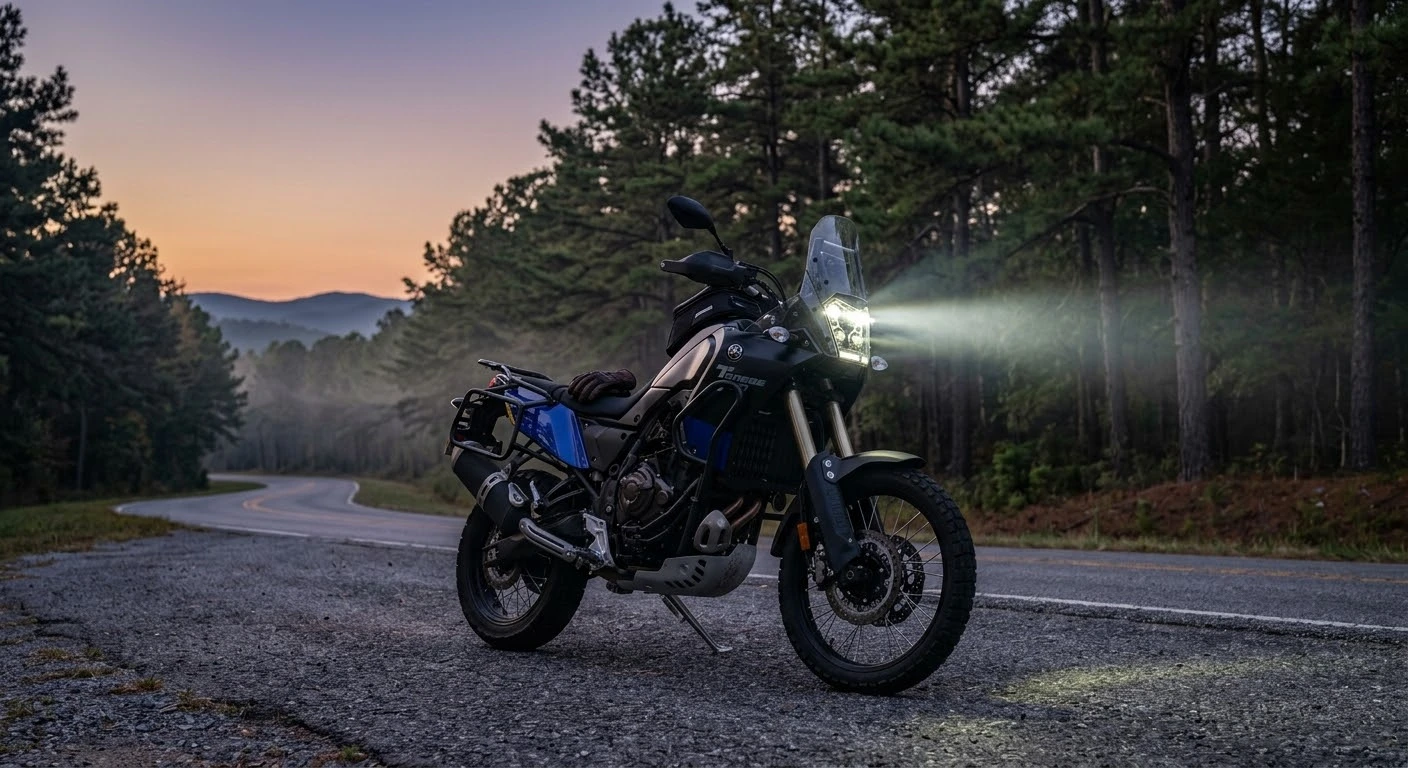
Rural Virginia’s scenic backroads—stretching through the Shenandoah Valley, Piedmont region, and Appalachian foothills—offer incredible riding, but they also present one of the state’s most frequent hazards: white-tailed deer. According to wildlife collision data, Virginia consistently ranks among the top states for animal-vehicle strikes, with peak activity occurring during autumn mating season (rut) and spring feeding periods. Prioritizing tactics for avoiding deer collisions to maintain motorcycle safety in rural Virginia is critical for every rider navigating forested corridors, unlit highways, and agricultural routes after dark.
Quick Inspection Checklist
| Hazard Parameter | Primary Threat Standard | Tactical Mitigation Action |
|---|---|---|
| Focus Keyword | Avoiding Deer Collisions Motorcycle Safety in Rural Virginia | Used in Title, Intro, H2s, & Meta |
| Peak Hazard Hours | Crepuscular periods (Dusk & Dawn) | Reduce speed by 10–15 mph; enhance visual scanning |
| High-Risk Seasons | Fall Rut (Oct–Dec) & Spring (Apr–May) | Increase lane buffer distance; use lead vehicles |
| Eye-Shine Scanning | Retro-reflective eye reflection in ditches | Scan 12–15 seconds ahead along shoulder tree lines |
| Braking Response | Sudden roadside animal emergence | Maximum straight-line braking; avoid aggressive swerving |
White-tailed deer behavior on rural Virginia backroads is notoriously unpredictable. Understanding their natural movement patterns allows riders to anticipate hazards before an animal jumps into the roadway.
   [ FOREST EDGE / DITCH CORRIDOR ]
                 │
                 ▼
┌──────────────────────────────────┐
│ Crepuscular Feed Time (Dusk/Dawn)│  ◄── High Activity Window
└────────────────┬─────────────────┘
                 │
                 ▼
┌──────────────────────────────────┐
│ Spot Eye-Shine Reflection        │  ◄── 12-15 Second Visual Scanning
└────────────────┬─────────────────┘
                 │
                 ▼
┌──────────────────────────────────┐
│ Immediate Speed Reduction        │  ◄── Prepare for Herd Follow-Through
└────────────────┬─────────────────┘
                 │
                 ▼
   [ CONTROLLED STRAIGHT-LINE STOP ]
Because white-tailed deer travel in family units, seeing a single animal cross the asphalt usually indicates that a second or third deer is following right behind it.
1. Identify High-Risk Zones & Peak Time Windows
Deer collisions spike during specific seasonal and daily intervals across rural Virginia:
- The Crepuscular Danger Zone: Deer are most active during dusk (5 PM–9 PM) and dawn (5 AM–8 AM), when lower ambient light reduces human peripheral vision.
- Seasonal Peak (The Rut): October through December marks the annual mating season. Bucks actively chase does across highways, completely ignoring vehicle traffic.
- Corridor Identification: Pay close attention to agricultural field edges, creek crossings, and areas marked with official VDOT deer crossing warning signs.
2. Master Peripheral Eye-Shine & Shadow Scanning
Detecting an animal before it leaps onto the asphalt is the single best way to prevent a crash:
- Look for Eye-Shine: Human eyes spot retro-reflective tapetum lucidum glint (glowing eyes) from hundreds of feet away. Scan ditches and forest edges continuously.
- Watch for “Moving Shadows”: On dark roads, look for breaks in tree-line shadows or headlight beams flickering through roadside brush.
- High-Beam Optimization: Use high beams whenever oncoming traffic permits to illuminate tree canopies and shoulders.
3. Apply the “Second Deer Rule” Immediately
One of the most common mistakes riders make is resuming speed after one deer clears the road:
- Expect the Herd: Deer are herd animals. If one jumps across your lane, assume another is right behind it.
- Complete Deceleration: Bring the motorcycle to a manageable speed or a complete stop until you are 100% sure no trailing deer are waiting in the brush.
4. Execute Emergency Straight-Line Braking
When an animal pops out directly in front of your motorcycle, reaction time is limited:
- Brake Firmly in a Straight Line: Apply maximum front and rear brake pressure without locking up wheels. Keeping the bike upright maximizes tire traction.
- Avoid Aggressive Swerving: Swerving at high speeds on rural roads often leads to losing traction on gravel shoulders, running into oncoming traffic, or striking roadside trees.
- Sound the Horn: Give a long, steady blast of your horn. Short quick beeps may startle the animal into freezing in your path.
5. Utilize Lead Vehicles as Protective Buffers
Let four-wheeled vehicles clear the path ahead on unlit rural highways:
- Maintain Safety Distance: Follow behind a car or truck at a safe 3-to-4-second cushion.
- Observe Brake Lights: Use the lead vehicle’s headlights to spot distant hazards. If their brake lights illuminate, slow down immediately.
Prioritizing avoiding deer collisions for motorcycle safety in rural Virginia requires active scanning, speed management, and disciplined braking. By staying alert during peak twilight hours and understanding herd behavior, you can enjoy Virginia’s scenic rural roads safely.
Legal Disclaimer: This guide is for educational and informational purposes only. Wildlife movements are unpredictable. Always ride within your skill limits, obey posted speed limits, and wear full protective gear.
Official & Credible Sources
- Virginia Department of Wildlife Resources (DWR) Deer Safety: https://dwr.virginia.gov
- Virginia Department of Transportation (VDOT) Safety Programs: https://www.virginiadot.org
- Motorcycle Safety Foundation (MSF) Hazard Management: https://msf-usa.org
Leave a Reply