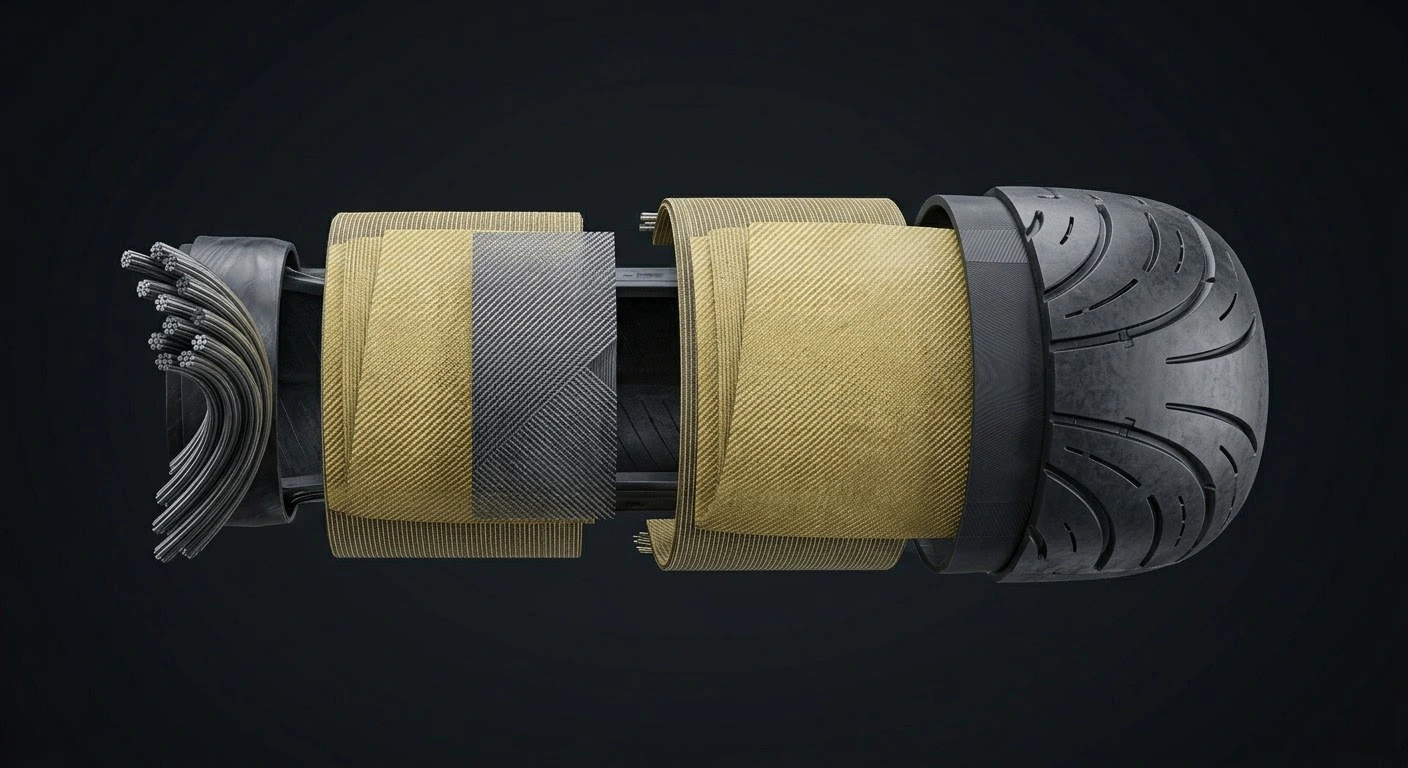
Carving through technical mountain switchbacks like the Back of the Dragon or leaning into tight curves along wet valley highways requires total reliance on two small contact patches. Proper motorcycle tire pressure and tread maintenance for mountain curves and slick asphalt is the single most critical safety factor separating smooth traction from sudden low-side slides. Temperature fluctuations, steep elevation changes, and wet pavement drastically affect tire carcass flex, heat buildup, and water evacuation. Maintaining precise cold inflation levels and monitoring rubber compound wear ensures your machine maintains maximum grip when leaning deep into mountain turns.
Tire Pressure & Tread Performance Metrics
Review how inflation levels and tread depth directly influence handling and wet traction:
| Maintenance Metric | Under-Inflated Tire | Correct Cold Inflation (OEM Spec) | Over-Inflated Tire |
|---|---|---|---|
| Contact Patch Size | Overly wide; heavy, sluggish steering | Ideal shape; predictable cornering grip | Reduced footprint; harsh, skittish ride |
| Carcass Heat Buildup | Excessive internal heat & uneven cupping | Balanced thermal buildup & tread life | Minimal heat; rubber stays too cold for grip |
| Wet Road Hydroplaning | Tread grooves distort; poor water clearing | Maximum siping channel water evacuation | Rigid carcass; reduced rubber compliance |
| Rim & Sidewall Safety | Vulnerable to rim damage on potholes | Full structural sidewall support | Increased risk of puncture from debris |
Essential Tire Care for Technical Riding
Executing proper tire maintenance before hitting technical corridors protects your traction across shifting pavement surfaces:
- 1. Measure Pressure Cold Before Every Ride:
Always check tire pressure with an accurate digital gauge when the tires are cold (before riding or after sitting for at least three hours). As you ascend mountain passes, ambient temperatures drop while tire internal air expands during hard cornering. Adjust inflation strictly to your motorcycle manufacturer’s cold PSI recommendations. - 2. Inspect Tread Depth and Wear Indicators (TWIs):
Tires feature Wear Bar Indicators molded inside the tread grooves. Once tread wears down to 2/32 of an inch (1.6mm), the tire loses its ability to channel standing water, drastically increasing hydroplaning risks on wet asphalt. Replace tires before reaching these wear bars for mountain touring. - 3. Check for Tread Cupping and Edge Feathering:
Hard trail-braking into mountain curves and aggressive acceleration out of turns can cause “cupping” or uneven scalloping on the sides of the front tire. Cupped tires create unsettling handlebar vibrations when leaning and reduce contact patch stability. - 4. Inspect for Dry Rot, Cracking, and Age:
Even tires with deep tread can fail if the rubber compound hardens with age. Inspect sidewalls for fine cracking or weather checking. Rubber compounds over five years old lose their chemical grip capabilities on slick wet surfaces.
Before embarking on multi-day mountain tours, perform a comprehensive inspection of your wheel bearings and suspension setup using the complete pre-trip motorcycle maintenance guide. If your route passes through rainstorms, review our wet-weather safety tips in essential rain gear and wet-weather riding tips for motorcyclists. Furthermore, ensure your tire setup complies with state highway regulations in Virginia motorcycle laws 2026 helmets lane splitting and regulations.
Conclusion: Traction Begins at the Rubber
Dedicating a few minutes to motorcycle tire pressure and tread maintenance for mountain curves and slick asphalt pays massive dividends in safety and cornering confidence. Proper inflation preserves your contact patch, while deep tread siping channels water away on rain-soaked backroads. Keep a reliable pressure gauge in your tank bag, inspect your tread regularly, and enjoy precise, stable cornering across Virginia’s premier mountain routes.
Legal Disclaimer: This guide is provided for educational and maintenance planning purposes only. Always consult your motorcycle owner’s manual and tire manufacturer guidelines for official inflation pressures and load ratings.
Official & Credible Sources
- Motorcycle Safety Foundation (MSF) — Tire Care & Maintenance Checklist: https://msf-usa.org
- Dunlop Motorcycle Tires — Inflation & Tread Inspection Technical Guide: https://www.dunlopmotorcycletires.com
- National Highway Traffic Safety Administration (NHTSA) — Motorcycle Tire Safety Standards: https://www.nhtsa.gov
Enjoyed This Guide? Explore Related Virginia Touring Resources:
- Jacket Selection: Pair your tire setup with weather-matched armor in textile vs leather motorcycle jackets for Virginia variable climate.
- Boot Protection: Maintain precise foot control on slick stops with best motorcycle boots for mountain and coastal touring waterproofing vs breathability.
- Helmet Optics: Ensure clear vision through mountain mist using modular vs full-face helmets for mountain touring safety comfort and noise comparison.
- Mountain Curve Routes: Test your tire grip on 320 switchbacks with our Virginia State Route 16 complete riding guide to the Back of the Dragon.
- Scenic Valley Loops: Enjoy smooth asphalt touring along the Shenandoah Valley motorcycle loop scenic waypoints and stops.
Leave a Reply