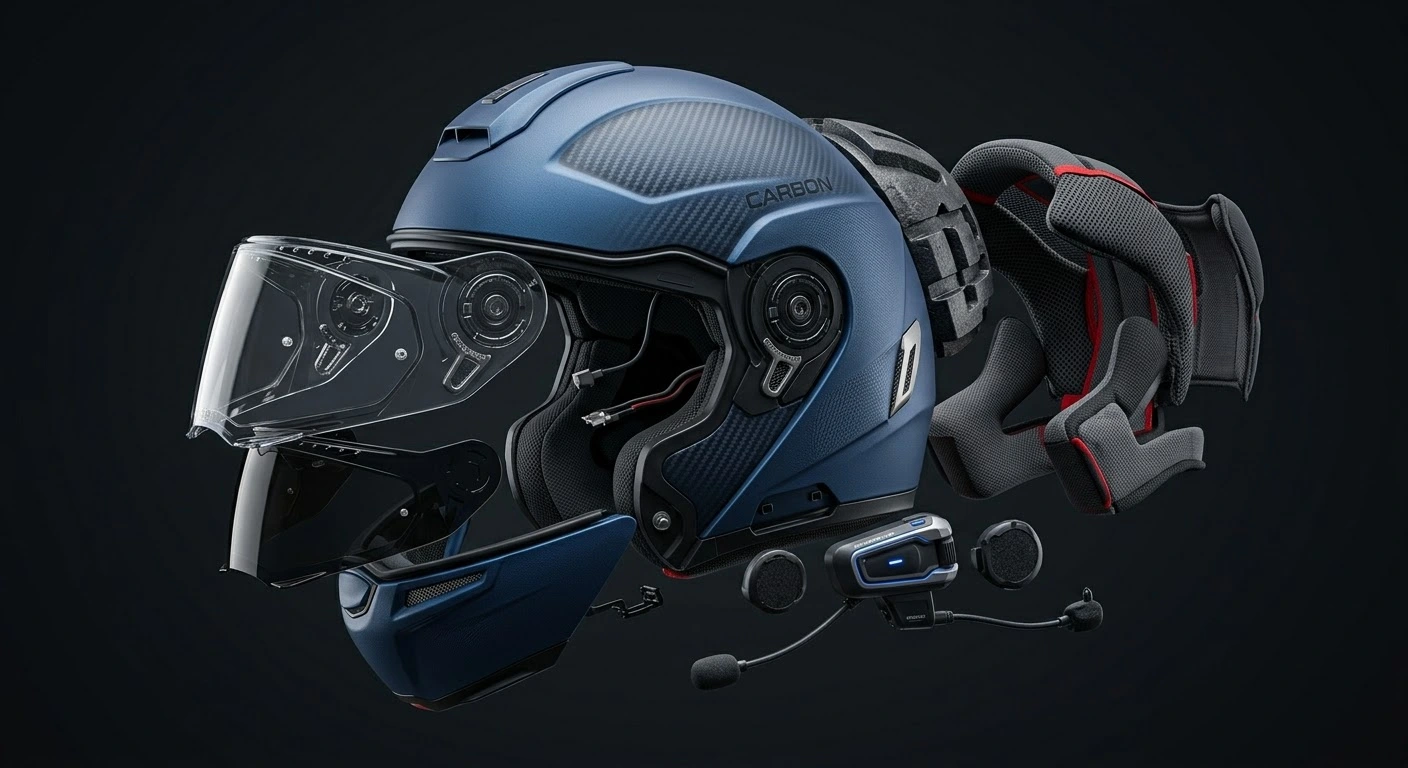
Embarking on a multi-day highway journey across Virginia’s vast mountain corridors or coastal byways requires unwavering focus and comfort. While engine performance and suspension setup get most of the attention, your helmet is the single most critical piece of personal gear affecting fatigue. Finding the best motorcycle helmets for long-distance touring quietness ventilation and bluetooth integration means the difference between finishing a 500-mile day feeling refreshed or suffering from severe neck strain and deafening wind noise. A high-performance touring helmet must balance aerodynamic noise suppression, multi-port airflow, and seamless intercom housing without compromising structural safety standards.
Touring Helmet Features & Performance Metrics
When evaluating long-distance touring helmets, consider how these core features impact ride comfort and acoustic isolation:
| Touring Helmet Feature | Primary Touring Benefit | Key Spec / Standard to Look For |
|---|---|---|
| Acoustic Shell Design | Reduces wind roar & neck strain | Sculpted aerodynamics & dense neck collar |
| Multi-Port Ventilation | Prevents overheating & visor fogging | Chin intake, crown ports, & rear vacuum exhaust |
| Bluetooth Comms Cutouts | Eliminates ear pressure points | Deep EPS speaker pockets & wire channels |
| Internal Sun Shield | Instant glare protection without stopping | Drop-down UV400 retractable inner visor |
Key Features of Superior Long-Distance Touring Helmets
When selecting a lid built for hundreds of consecutive highway miles, prioritize these four core engineering elements:
- 1. Advanced Aerodynamics and Acoustic Insulation:
Touring helmets utilize specialized shell sculpting and neck roll collars to channel high-speed airflow smoothly over the helmet. This reduces wind buffeting at highway speeds and drastically cuts down low-frequency wind roar that causes long-term hearing fatigue. - 2. Multi-Channel Climate Control Ventilation:
Long days in the saddle mean facing freezing morning mountain passes and scorching afternoon valley traffic. Look for helmets featuring chin vents that force air across the inner visor face to prevent fogging, combined with crown intake ports and rear vacuum exhaust vents. - 3. Integrated Bluetooth Intercom Recesses:
Modern touring demands seamless communication and navigation. The best helmets feature pre-molded speaker cutouts within the EPS foam liner, dedicated wire routing channels, and aerodynamic mounting locations for popular intercom units. - 4. Drop-Down Internal Sun Shields:
Riding east into morning glare or heading west into sunset requires immediate eye protection. An internal, drop-down sun visor allows you to adapt instantly to changing light conditions without stopping to swap face shields.
Helmet Safety Standards & Legal Compliance in Virginia
Beyond comfort and noise reduction, your helmet must satisfy strict impact protection standards:
- DOT and ECE 22.06 Certifications: Ensure your helmet carries clear DOT (Department of Transportation) compliance stamps and ideally meets the rigorous ECE 22.06 testing standard for rotational impact safety.
- Proper Fitment to Prevent Fatigue: A loose helmet shifts in crosswinds, while a tight helmet creates painful forehead pressure points within two hours. Measure your head circumference accurately and test fitment with your riding balaclava or earplugs.
Before packing your bags for multi-day highway tours, ensure your motorcycle is mechanically prepared using the complete pre-trip motorcycle maintenance guide. If you ride with a passenger, review our communication and safety recommendations in pillion passenger comfort and safety tips for two-up motorcycle touring. Additionally, double-check that your helmet meets state law requirements by reading Virginia motorcycle laws 2026 helmets lane splitting and regulations.
Conclusion: Invest in Quiet, Riding Comfort
Selecting the best motorcycle helmets for long-distance touring quietness ventilation and bluetooth integration is an investment in your safety, focus, and overall riding pleasure. By prioritizing noise suppression, multi-vent airflow, and built-in intercom integration, you ensure every long-distance tour across Virginia remains a comfortable, memorable adventure.
Legal Disclaimer: This guide is provided for educational and safety planning purposes only. Helmet fitment and noise isolation vary based on individual head shapes and motorcycle windshield setups; always test fit helmets prior to long trips.
Official & Credible Sources
- Snell Memorial Foundation — Helmet Safety Standards & Testing: https://www.smf.org
- ECE 22.06 Helmet Safety Regulations — European Economic Commission Standards: https://unece.org
- National Highway Traffic Safety Administration (NHTSA) — Motorcycle Helmet Safety Standards: https://www.nhtsa.gov
Enjoyed This Guide? Explore Related Virginia Touring Resources:
If you are gearing up for long-distance highway travel, check out these closely related equipment and planning guides:
- Helmet Intercom Reviews: Compare top helmet communication tech in Cardo vs Sena choosing the best motorcycle intercom for group rides.
- State Helmet Regulations: Stay compliant with helmet laws using Virginia motorcycle laws 2026 helmets lane splitting and regulations.
- Long-Distance Packing & Prep: Get your bike ready for long miles with how to prepare your motorcycle for long-distance touring.
- All-Weather Gear Selection: Stay dry under your helmet by reading essential rain gear and wet-weather riding tips for motorcyclists.
- Rider-Friendly Overnight Stays: Find lodging with secure helmet storage in top motorcycle friendly hotels and B&Bs in Virginia.
Leave a Reply