Category: Scenic Riding Trails

  • Route 220 Motorcycle Guide: Virginia’s Scenic Mountain Ride (2026)

    Route 220 Motorcycle Guide: Virginia’s Scenic Mountain Ride (2026)

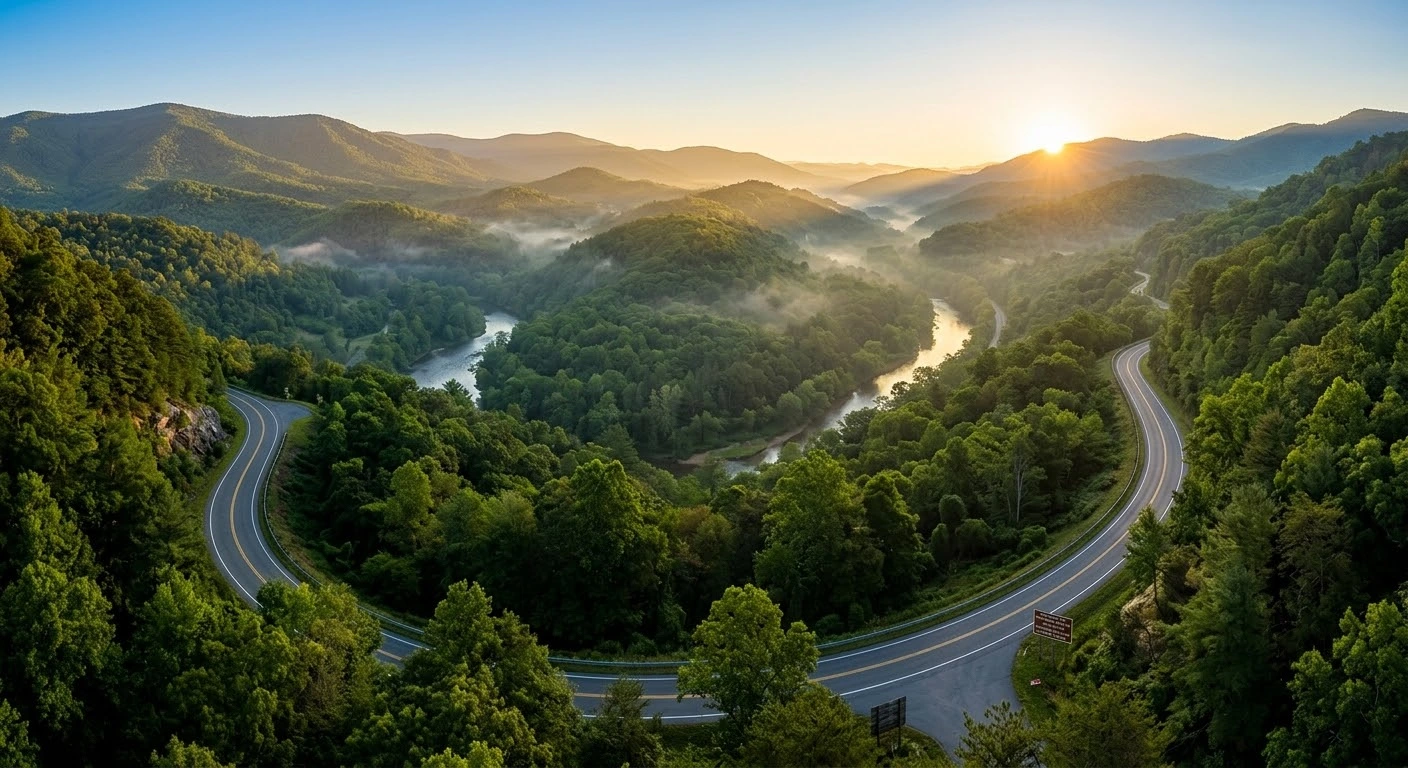
    Stretching vertically through Western Virginia, US Route 220 offers one of the most rewarding and scenic backcountry road trips in the Mid-Atlantic. Reading a dedicated Route 220 motorcycle guide to Virginia’s scenic mountain ride equips riders with essential turn-by-turn insights, pavement quality expectations, and stopover highlights. From the historic mineral springs around Clifton Forge and Covington down through the rolling Allegheny Highlands into the Roanoke Valley, Route 220 delivers a perfect blend of sweeping mountain curves, historic river valleys, and relaxed rural riding away from heavy interstate highway congestion.

    Key Route 220 Touring Segments & Highlights

    Explore the distinct road sections and geographic highlights along Virginia’s Route 220 corridor:

    Route SegmentDistance & TerrainNotable HighlightsCornering & Road Character
    Highland & Bath County Pass~45 miles (Monterey to Warm Springs)Thermal springs, historic inns, deep forest cutsTight elevation shifts; smooth technical turns
    Alleghany Highlands Run~30 miles (Falling Spring to Covington)Falling Spring Falls, Jackson River viewsSweeping valley curves along river bends
    Roanoke to Blue Ridge Foothills~50 miles (Roanoke south to Rocky Mount)Blue Ridge Parkway access, rural farmlandOpen multi-lane sections transitioning to curves

    Essential Riding Tips for US Route 220

    Executing a smooth multi-day tour along Route 220 requires strategic planning and keen road awareness:

    • 1. Plan Stops at Natural Landmarks:
      Do not miss Falling Spring Falls just north of Covingtonβ€”a breathtaking 80-foot natural waterfall viewable directly from a roadside pull-off. Further north, Warm Springs and Monterey offer quiet historic towns ideal for lunch, fuel refills, and local coffee stops.
    • 2. Watch for Wildlife in River Valleys:
      Route 220 parallels lush water channels and dense timberlands, making it a prime corridor for deer and wild turkey crossings, particularly during dawn and dusk hours. Maintain disciplined scanning along forest shoulders.
    • 3. Manage Suspension and Luggage Weight:
      The northern mountain sections feature sudden mid-corner camber shifts and undulating asphalt. Ensure your suspension preload and baggage weight are correctly adjusted to prevent wallowing through tight switchbacks.
    • 4. Secure Your Motorcycle Overnight:
      If booking overnight stays in historic mountain inns or valley B&Bs along Route 220, practice sound security habits by using rotor disc locks and locking your steering head.

    Before setting out on your Route 220 expedition, review proper wildlife hazard awareness in deer collision avoidance guide for Virginia motorcyclists. Ensure your luggage setup maintains proper chassis balance using motorcycle luggage packing and weight distribution for mountain stability. Additionally, safeguard your machine during overnight hotel stays with motorcycle anti-theft guide: best security practices for Virginia riders.

    Conclusion: A Classic Appalachian Highway Journey

    Exploring this Route 220 motorcycle guide to Virginia’s scenic mountain ride unlocks a quintessential Appalachian touring experience. With its smooth river-carved curves, dramatic mountain ridges, and abundant historical stopovers, US Route 220 stands as a must-ride corridor for any rider seeking authentic Virginia mountain freedom.

    Legal Disclaimer: This guide is intended for travel planning and touring reference only. Always obey posted speed limits, monitor local weather conditions, and ride according to your skill level.

    Official & Credible Sources


    Enjoyed This Guide? Explore Related Virginia Touring Resources:

    1. Wildlife Safety: Avoid animal hazards along river corridors with deer collision avoidance guide for Virginia motorcyclists.
    2. Luggage Setup: Balance your payload for mountain switchbacks in motorcycle luggage packing and weight distribution for mountain stability.
    3. Security Practices: Protect your machine at mountain inns using motorcycle anti theft guide best security practices for virginia riders.
    4. Pre-Trip Checklist: Inspect brakes and fluids prior to departure with the complete pretrip motorcycle maintenance guide.
    5. Rider Lodging: Find welcoming stays along your route in top motorcycle friendly hotels and b&bs in virginia.
  • Top Motorcycle Friendly Hotels & B&Bs in Virginia (2026 Guide)

    Top Motorcycle Friendly Hotels & B&Bs in Virginia (2026 Guide)

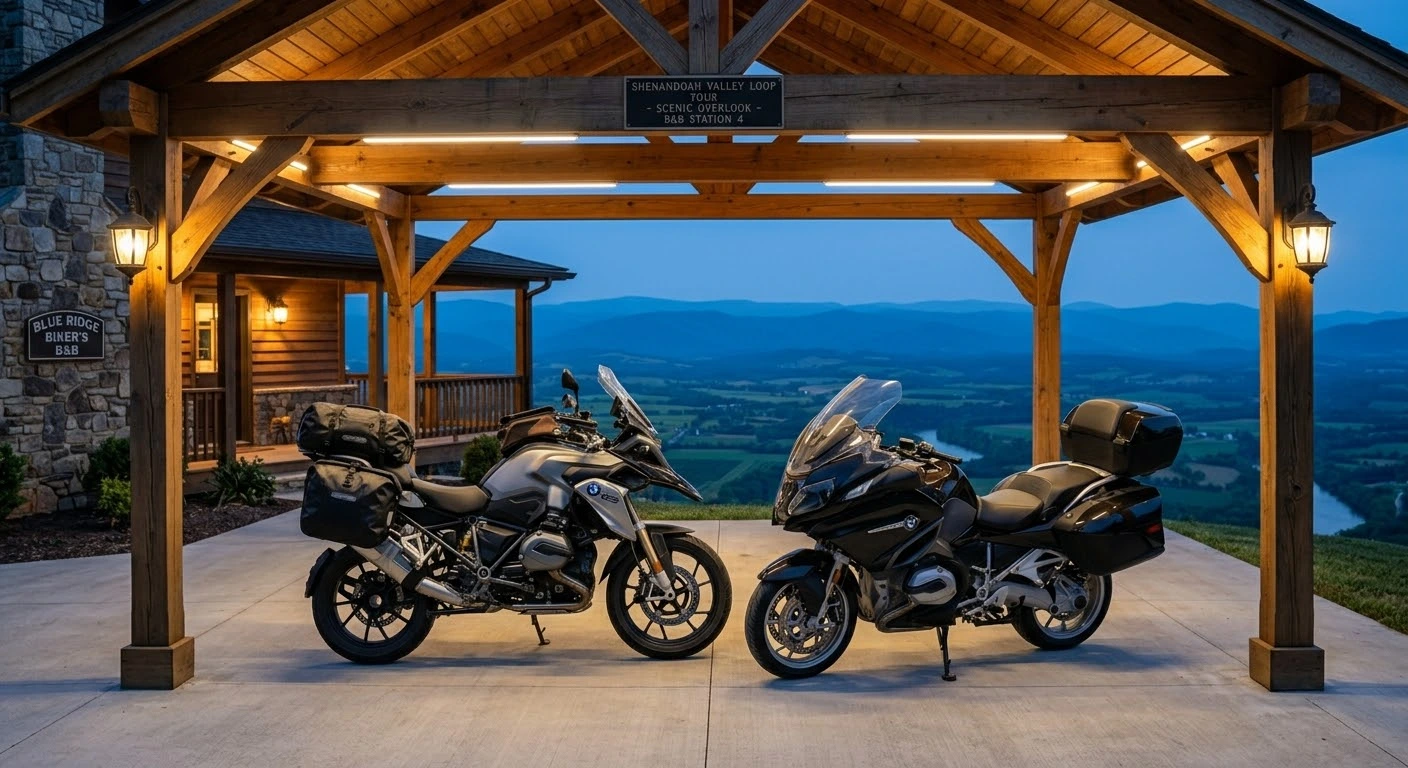
    After a long, exhilarating day of carving through the sharp switchbacks of the Blue Ridge Mountains or cruising along the windy Atlantic coastline, nothing compares to the relief of rolling into a welcoming, rider-focused retreat. Leaving your prized motorcycle exposed in a dark, distant gravel lot or worrying about secure gear storage can quickly ruin a peaceful evening. Finding the top motorcycle friendly hotels and B&Bs in Virginia is the secret ingredient to turning a great road trip into an unforgettable journey. From dedicated bike-washing stations and covered parking to kickstand-safe paved surfaces and warm local hospitality, the right lodging allows you to recharge both your mind and your machine for the miles ahead.

    ================================================================================
    RIDER LODGING EVALUATION & AMENITY PRIORITY MATRIX
    ================================================================================

    [HIGH PRIORITY] —————————————————————-

    1. COVERED & SECURE PARKING
      └─ Level Concrete / Heavy Asphalt (Kickstand Safe)
      └─ Well-Lit Areas & Security Camera Coverage
      └─ Proximity to Guest Rooms

    [MEDIUM-HIGH PRIORITY] ———————————————————
    2. ON-SITE BIKE MAINTENANCE & WASH STATIONS
    └─ Clean Water Hoses & Microfiber Towels
    └─ Degreaser Supplies & Basic Chain Lube Access
    └─ Emergency Hand Tool Availability

    [ESSENTIAL COMFORT] ————————————————————
    3. RIDER-CENTRIC AMENITIES
    └─ Heated Gear Drying Areas
    └─ Late Check-In Flexibility for Mountain Delays
    └─ Hot Breakfast & Proximity to Scenic Route On-Ramps

    ================================================================================
    LODGING SATISFACTION INDEX BY RIDER TYPE (%)
    ================================================================================
    Solo Tourers : [β–ˆβ–ˆβ–ˆβ–ˆβ–ˆβ–ˆβ–ˆβ–ˆβ–ˆβ–ˆβ–ˆβ–ˆβ–ˆβ–ˆβ–ˆβ–ˆβ–ˆβ–ˆβ–ˆβ–ˆβ–ˆβ–ˆβ–ˆβ–ˆβ–ˆβ–ˆβ–ˆβ–ˆβ–ˆβ–ˆβ–ˆβ–ˆβ–ˆβ–ˆβ–ˆβ–ˆβ–ˆβ–ˆβ–ˆβ–ˆ] 98% (Secure Parking Focus)
    Group Riding Packs : [β–ˆβ–ˆβ–ˆβ–ˆβ–ˆβ–ˆβ–ˆβ–ˆβ–ˆβ–ˆβ–ˆβ–ˆβ–ˆβ–ˆβ–ˆβ–ˆβ–ˆβ–ˆβ–ˆβ–ˆβ–ˆβ–ˆβ–ˆβ–ˆβ–ˆβ–ˆβ–ˆβ–ˆβ–ˆβ–ˆβ–ˆβ–ˆβ–ˆβ–ˆβ–ˆβ–ˆβ–‘β–‘] 90% (Wash Stations & Space)
    Vintage/Customs : [β–ˆβ–ˆβ–ˆβ–ˆβ–ˆβ–ˆβ–ˆβ–ˆβ–ˆβ–ˆβ–ˆβ–ˆβ–ˆβ–ˆβ–ˆβ–ˆβ–ˆβ–ˆβ–ˆβ–ˆβ–ˆβ–ˆβ–ˆβ–ˆβ–ˆβ–ˆβ–ˆβ–ˆβ–ˆβ–ˆβ–ˆβ–ˆβ–ˆβ–ˆβ–ˆβ–ˆβ–ˆβ–ˆβ–ˆβ–ˆ] 100% (Covered Garage Focus)
    ================================================================================

    Top Recommended Rider-Friendly Accommodations Across Virginia

    Whether you are navigating the high-elevation ridges of the west or the coastal peninsulas of the east, these premier stays cater specifically to two-wheeled travelers:

    • 1. Mountain Ridge Lodges (Blue Ridge & Skyline Drive Corridors):
      Properties situated near Front Royal, Waynesboro, and Roanoke often feature dedicated motorcycle-only parking spaces right outside room doors. Many mountain lodge owners are riders themselves, providing kickstand pucks to prevent stands from sinking into warm asphalt, as well as complimentary shop towels for morning visor cleaning.
    • 2. Historic Country B&Bs (Shenandoah Valley & Piedmont):
      Nestled along quiet backroads in towns like Staunton and Lexington, historic Bed & Breakfasts offer secure private driveways and covered barns or carports. Enjoy hearty farm-to-table breakfasts before embarking on early morning mountain runs.
    • 3. Coastal Waterfront Inns (Tidewater & Eastern Shore):
      Coastal inns around Chincoteague and Cape Charles frequently provide freshwater hose stations to rinse corrosive salt spray off your chrome and wheels after a long day of coastal riding.

    Key Amenities to Look For When Booking

    To ensure a seamless stay, always confirm the following features before locking in your reservation:

    • Paved, Level Parking Areas: Avoid properties with steep gravel driveways or soft dirt lots that pose tipping hazards for heavy touring bikes.
    • Flexible Late Check-In: Mountain weather and unexpected mechanical delays can shift your arrival time. Look for inns that offer self-check-in keypads or flexible front-desk hours.
    • Proximity to Technical Corridors: Choose stays that place you minutes away from premier riding routes so you can hit the road before morning traffic builds up.

    Before locking in your overnight stops, ensure your bike is fully prepped for multi-day trips using the complete pre-trip motorcycle maintenance guide. If your itinerary includes backcountry camping alongside traditional stays, review motorcycle camping in Virginia top campsites and route planning. Furthermore, double-check that your helmet and gear conform to local state standards by reading Virginia motorcycle laws 2026 helmets lane splitting and regulations.

    Conclusion: Rest Easy, Ride Inspired

    Securing accommodations at the top motorcycle friendly hotels and B&Bs in Virginia transforms your road trip experience. When you know your motorcycle is parked safely on solid ground and protected from the elements, you can relax, enjoy local Virginia hospitality, and wake up ready to tackle the open highway.

    Legal Disclaimer: This guide is provided for travel planning and educational purposes only. Amenity availability, parking policies, and reservation rules vary by property; always contact inns directly to confirm motorcycle accommodations.

    Official & Credible Sources


    Enjoyed This Guide? Explore Related Virginia Touring Resources:

    If you are planning your overnight itinerary across Virginia, dive into these closely related touring and planning guides:

    1. Backcountry Overnight Planning: Combine boutique hotel stays with wilderness nights using our guide to motorcycle camping in Virginia top campsites and route planning.
    2. Multi-Day Route Preparation: Ensure your bike is 100% prepped for multi-day journeys with how to prepare your motorcycle for long-distance touring.
    3. Valley Tour Waypoints: Discover prime hotel hubs along the valley loop in Shenandoah Valley motorcycle loop scenic waypoints and stops.
    4. Pre-Trip Mechanical Inspections: Avoid roadside breakdowns before reaching your hotel with the complete pre-trip motorcycle maintenance guide.
    5. Mountain Route Comparison: Plan where to stay along Virginia’s famous crests by reading riding Skyline Drive vs Blue Ridge Parkway which route is better.

  • Scenic Coastal Motorcycle Routes in Eastern Virginia & Tidewater (2026)

    Scenic Coastal Motorcycle Routes in Eastern Virginia & Tidewater (2026)

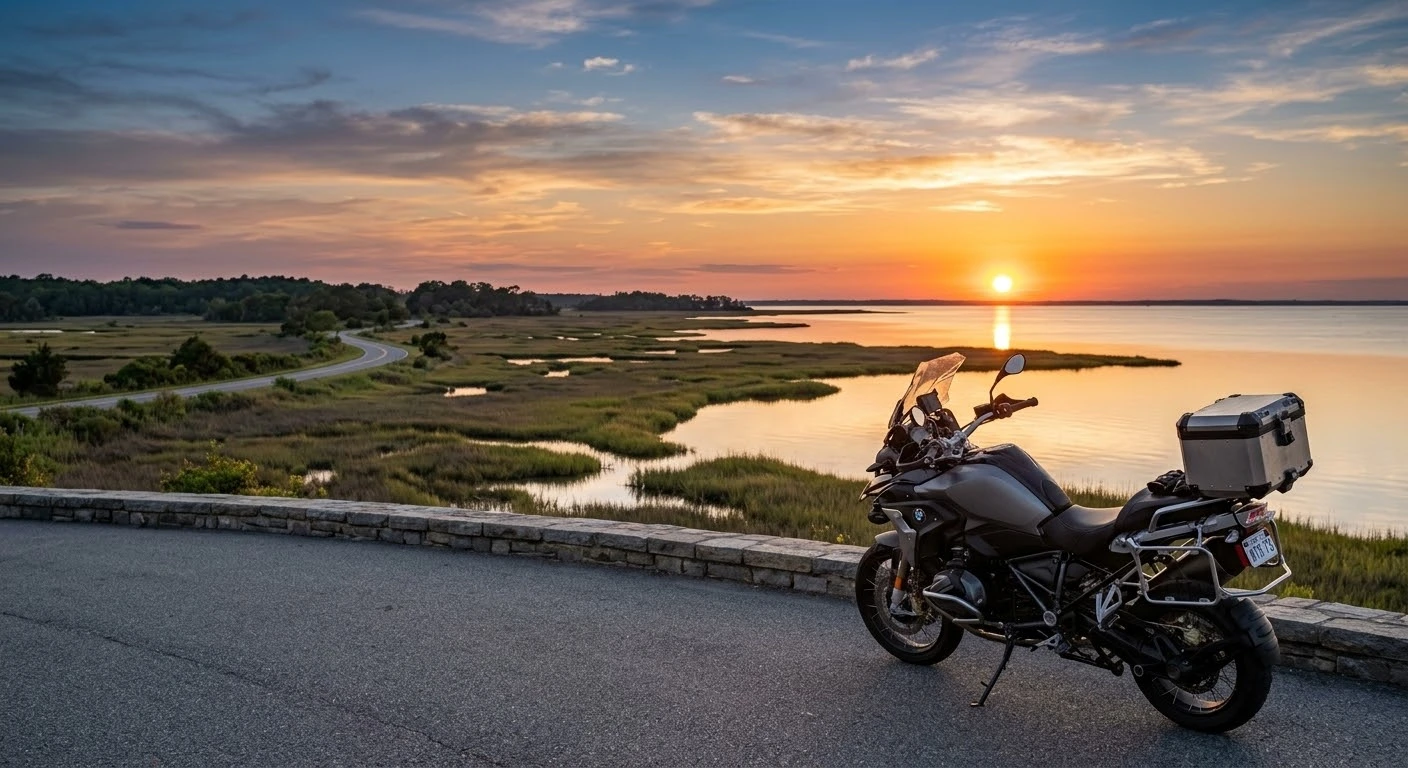
    While Western Virginia is celebrated for its towering Appalachian ridge lines and sweeping technical switchbacks, the eastern edge of the Commonwealth offers a radically different, equally mesmerizing riding experience. Exploring scenic coastal motorcycle routes in Eastern Virginia & Tidewater reveals miles of open Atlantic horizons, historic salt-marsh backroads, flat highway sweeping curves, and iconic ferry crossings. Riding through the Tidewater region isn’t about chasing extreme lean angles; it is about absorbing maritime heritage, smelling the salty Atlantic air, and enjoying stress-free coastal cruising across historic peninsulas.

    Tidewater Coastal Riding Routes & Planning Metrics

    To help you choose the best coastal run based on scenery, distance, and surface conditions, consult the comparative route table below:

    Route Name / CorridorDistance & Est. TimeKey Highlight & SceneryRoad Profile & Surface
    Colonial Parkway (Jamestown to Yorktown)23 Miles (45 Min)Historic cobble/brick, York River viewsLow speed (35 mph), historical arches, shaded
    Eastern Shore Highway (US-13 & Backroads)70 Miles (1.5 Hours)Chesapeake Bay Bridge-Tunnel, open marshesFlat long straights, coastal wind exposure
    Northern Neck Loop (US-360 / VA-3)110 Miles (2.5 Hours)Potomac & Rappahannock River vistasSweeping countryside curves, quiet maritime towns
    Jamestown-Scotland Ferry Route (VA-31)15 Miles + FerryFree scenic river ferry crossingGentle tarmac, coastal historic sights

    Top Scenic Coastal Routes in Tidewater & Eastern Virginia

    Each coastal region provides a unique blend of nautical scenery and serene backroad cruising:

    • 1. The Historic Colonial Parkway:
      Connecting Jamestown, Williamsburg, and Yorktown, this 23-mile scenic roadway features no commercial traffic, unpaved brick-like aggregate concrete, and beautiful shaded canopy riding along the York River. Keep your speed at the 35 mph limit to enjoy the riverfront turnouts.
    • 2. The Eastern Shore Peninsula (US-13 and Seaside Road):
      Crossing the famous Chesapeake Bay Bridge-Tunnel brings you to a quiet world of agricultural fields and Atlantic saltwater marshes. Skip the main highway where possible and take Seaside Road for a peaceful journey through historic fishing villages.
    • 3. The Northern Neck Peninsula:
      Bound by the Potomac River on the north and the Rappahannock River on the south, Route 3 offers gentle winding asphalt, historic lighthouse points, and fresh seafood stops at waterfront docks.
    • 4. The Jamestown-Scotland Ferry Crossing:
      Ride Route 31 down to the James River landing and drive directly onto the free state ferry. Taking your motorcycle on the water provides a brief, refreshing break with 360-degree views of the historic waterway.

    Coastal Riding Challenges: Salt Air, Crosswinds, and Sand

    Riding near the ocean requires a few specialized precautions compared to mountain touring:

    • Managing Ocean Salt Spray: Salt air accelerates metal corrosion. Rinse your motorcycle with fresh cold water after riding near ocean fronts to prevent rust on exposed chrome, fastners, and aluminum rims.
    • Handling High Crosswinds: Open bridge spans like the Chesapeake Bay Bridge-Tunnel and coastal causeways experience heavy ocean winds. Maintain a relaxed grip, lean gently into steady side gusts, and give high-profile trucks ample spacing.
    • Bridge Grating & Traction Hazards: Many historic Tidewater drawbridges use open-steel grid decks. Your tires may wiggle slightly over open metal grids; stay calm, hold a straight line, and avoid sudden braking or aggressive throttle inputs.

    Before setting out on long coastal runs, review our tips on how to prepare your motorcycle for long-distance touring, and perform a complete pre-ride check using the complete pre-trip motorcycle maintenance guide. Additionally, ensure your helmet and motorcycle setup meet state regulations by reviewing Virginia motorcycle laws 2026 helmets lane splitting and regulations.

    Conclusion: Cruise the Historic Tidewater Coast

    From the historic canopy of the Colonial Parkway to the vast open skies of the Eastern Shore, Eastern Virginia delivers unforgettable coastal motorcycle touring. Pack your sunglasses, prepare for coastal breezes, rinse your bike after the ride, and discover the rich maritime heritage of Tidewater’s waterside highways.

    Legal Disclaimer: This guide is provided for informational and route-planning purposes only. Speed limits, ferry schedules, and bridge wind restrictions change frequently; always observe local maritime and highway safety posted signs.

    Official & Credible Sources

  • Shenandoah Valley Motorcycle Loop: Scenic Waypoints & Stops (2026)

    Shenandoah Valley Motorcycle Loop: Scenic Waypoints & Stops (2026)

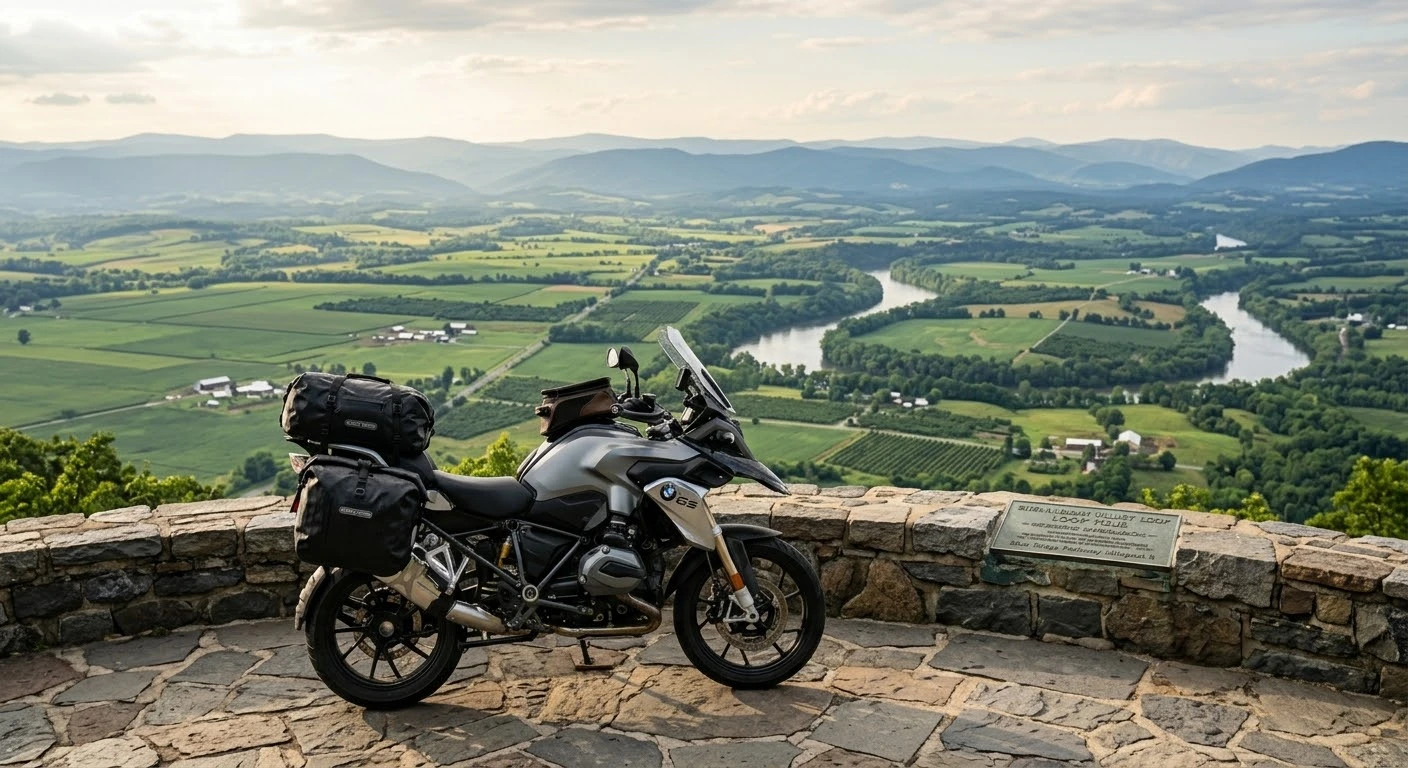
    Nestled between the rugged Blue Ridge Mountains to the east and the dramatic Ridge-and-Valley Appalachians to the west, the Shenandoah Valley offers one of North America’s most iconic motorcycle touring corridors. Riding the full Shenandoah Valley motorcycle loop scenic waypoints and stops delivers a captivating balance of historic small towns, agricultural farmland vistas, sweeping river bends, and access to mountain ridgelines. Whether you are seeking historic civil war landmarks, farm-to-table diners, or panoramic overlooks, this loop provides an unforgettable multi-day Virginia road trip.

    Shenandoah Valley Loop Waypoints & Scenic Highlights

    Plan your stops efficiently along the valley loop using the comparative waypoint guide below:

    Scenic Waypoint / Town StopRoute LocationPrimary Attraction / FeatureRecommended Stop Duration
    Front RoyalNorthern Loop Anchor (US-340 / VA-55)Entrance to Skyline Drive, historic downtown1 – 2 Hours (Coffee & Fuel Prep)
    Luray Caverns & TownCentral Valley Corridor (US-211)Underground limestone caverns, local diners2 – 3 Hours (Tour & Lunch)
    HarrisonburgCentral Hub (US-11 / I-81)Craft breweries, historic brick square, local shopsOvernight Stop / Dinner
    StauntonSouthern Loop Anchor (US-250)Woodrow Wilson Library, Victorian architecture2 Hours (Historic Walking Tour)
    Natural Bridge State ParkFar Southern Endpoint (US-11)215-foot natural limestone arch1.5 Hours (Park Trail Walk)

    Route Overview & Top Scenic Waypoints

    Executing the full loop combines smooth valley transit along historic Route 11 with elevated scenic vistas along mountain ridges:

    • 1. Northern Entry: Front Royal to Luray:
      Begin your ride in Front Royal, known as the northern gateway to the Shenandoah Valley. Heading south via US-340 takes you alongside the winding South Fork of the Shenandoah River towards Luray. Make sure to pause at the Luray Caverns overlook for panoramic views of the Massanutten Mountain range.
    • 2. Central Valley Corridor: Harrisonburg to Staunton:
      Riding along historic US-11 (the Great Valley Road) takes you through charming farmland communities like Dayton and Bridgewater. Harrisonburg offers a bustling downtown core ideal for fuel stops, while Staunton boasts beautifully preserved 19th-century Victorian architecture and independent coffee roasters.
    • 3. Southern Endpoint: Natural Bridge & Lexington:
      At the southern turn of the loop, explore Lexington’s historic brick streets before visiting Natural Bridge State Park, where Route 11 passes high above a carved 215-foot limestone archway.
    • 4. Return Ridge Options:
      To complete the loop, riders can choose between returning via the gentle farmland asphalt of Route 11 or climbing up onto high-elevation ridges via Skyline Drive or the Blue Ridge Parkway.

    Recommended Touring Gear & Preparation

    Navigating the valley loop comfortably requires preparing for variable mountain weather and maintaining proper bike checks:

    Conclusion: Experience the Heart of the Valley

    Exploring the Shenandoah Valley motorcycle loop scenic waypoints and stops captures the timeless essence of Virginia backroad touring. Take your time through small towns, respect local speed limits, stop at scenic river overlooks, and enjoy the rich heritage of this majestic mountain valley.

    Legal Disclaimer: This guide is provided for educational and trip-planning purposes only. Speed limits in small valley municipalities are strictly enforced; always observe posted signs.

    Official & Credible Sources

  • Best Spring Motorcycle Rides in Virginia for Scenic Blooms 2026

    Best Spring Motorcycle Rides in Virginia for Scenic Blooms 2026

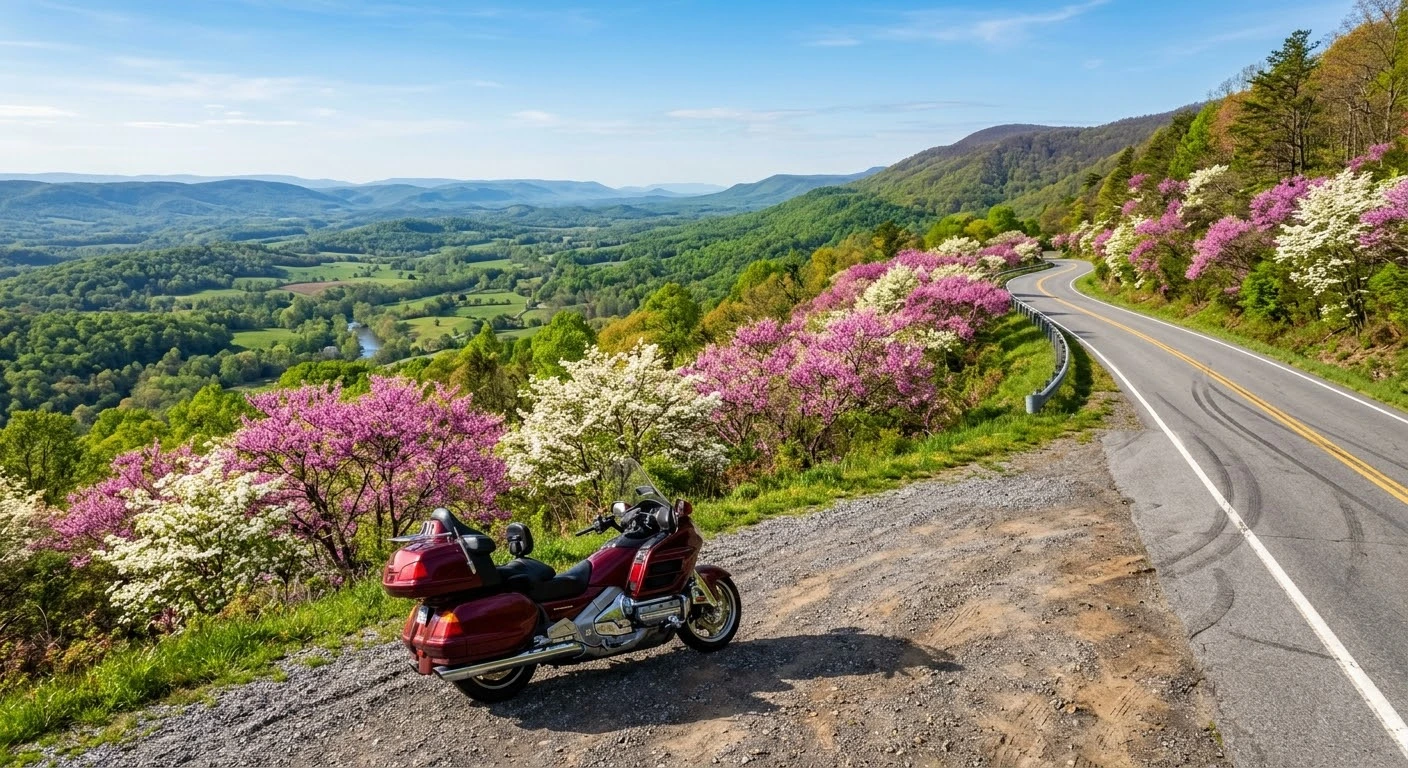
    There is a distinct moment every April when the cold bite of Appalachian winter officially surrenders to something extraordinary. The crisp morning air carries the rich scent of damp pine and mountain laurel, and the dark, winter-weary asphalt of Virginia’s backroads is suddenly framed by vibrant explosions of pink redbuds, snow-white dogwoods, and lush valley greenery. Throwing a leg over your motorcycle during this seasonal awakening is pure magic. Taking on the best spring motorcycle rides in Virginia for scenic blooms is about feeling the subtle shifts in thermal mountain currents, watching entire valleys transform in real time, and celebrating the long-awaited return of warm, winding miles.

    Spring Bloom Route Data & Regional Comparisons

    To help you timing your rides effectively, the table below compares Virginia’s top spring corridors based on elevation, dominant floral species, and peak viewing windows:

    Scenic CorridorPeak Bloom WindowPrimary Floral SpeciesAverage Spring Temp (Β°F)Technical Difficulty
    Shenandoah Valley (Rt 11 / Rt 211)Early April – Mid AprilEastern Redbud, Apple Blossoms58Β°F – 64Β°FModerate
    Skyline Drive (Central Section)Mid April – Late AprilFlowering Dogwood, Mountain Laurel50Β°F – 58Β°FRelaxed (35 mph)
    Blue Ridge Parkway (Northern VA)Late April – Early MayWild Azaleas, Red Maples52Β°F – 60Β°FSweeping Curves
    Southwest Heritage Trail (Rt 58 / Rt 16)Late April – Mid MayMountain Laurel, Rhododendron55Β°F – 65Β°FHighly Technical

    Top Spring Routes & Seasonal Riding Conditions

    Planning a spring ride requires balancing temperature variations with elevation shifts across the Commonwealth:

    • 1. Shenandoah Valley Apple Blossom Loop (Route 211 to Winchester): Riding through Page Valley in mid-April offers miles of orchard blossoms framed by the Blue Ridge Mountains. Ensure your motorcycle is in top mechanical shape before setting off by reviewing our guide on how to prepare your motorcycle for long-distance touring.
    • 2. The Redbud Run via Route 39 (Maury River Canyon): This route winds alongside towering rock faces covered in magenta redbud blossoms. Because spring road surfaces can hold morning moisture, maintain smooth throttle control and stay informed on legal gear requirements by checking Virginia motorcycle laws 2026 helmets lane splitting and regulations.
    • 3. Skyline Drive Dogwood Crest: High-elevation spring riding means cooler air, but the white dogwood canopy creates an unforgettable tunnel effect. If you are debating between low-valley runs and high-ridge rides, compare your options in our detailed breakdown of riding Skyline Drive vs Blue Ridge Parkway which route is better.

    Spring Elevation Temperature & Wildlife Activity Metrics

    [Spring Elevation & Wildlife Metrics]
    High Elevation (3,000+ ft): 48Β°F – 55Β°F | Peak Bloom: Late April/May | Wildlife Danger: HIGH (Deer/Bears)
    Low Valleys (under 1,000 ft): 60Β°F – 68Β°F | Peak Bloom: Early April | Wildlife Danger: MODERATE

    • Thermal Shifts: Temperatures drop roughly 3.5Β°F for every 1,000 feet of elevation gain. Always pack windproof layers when transitioning from valley floors to mountain crests.
    • Wildlife Movement Stat: Deer and black bear movement along road shoulders spikes by 40% during early morning and dusk hours in spring as animals forage on new plant growth.

    Exploring the best spring motorcycle rides in Virginia for scenic blooms provides a sensory experience that no other season can duplicate. By monitoring bloom windows, tracking elevation temperatures, and respecting seasonal wildlife activity, you can enjoy a safe and visually breathtaking start to your riding year.

    Legal Disclaimer: This guide is provided for informational and travel planning purposes only. Peak bloom dates and road conditions vary annually based on weather patterns. Always verify road status with VDOT before traveling.

    Official & Credible Sources

  • Skyline Drive vs Blue Ridge Parkway: Which Riding Route is Better? (2026)

    Skyline Drive vs Blue Ridge Parkway: Which Riding Route is Better? (2026)

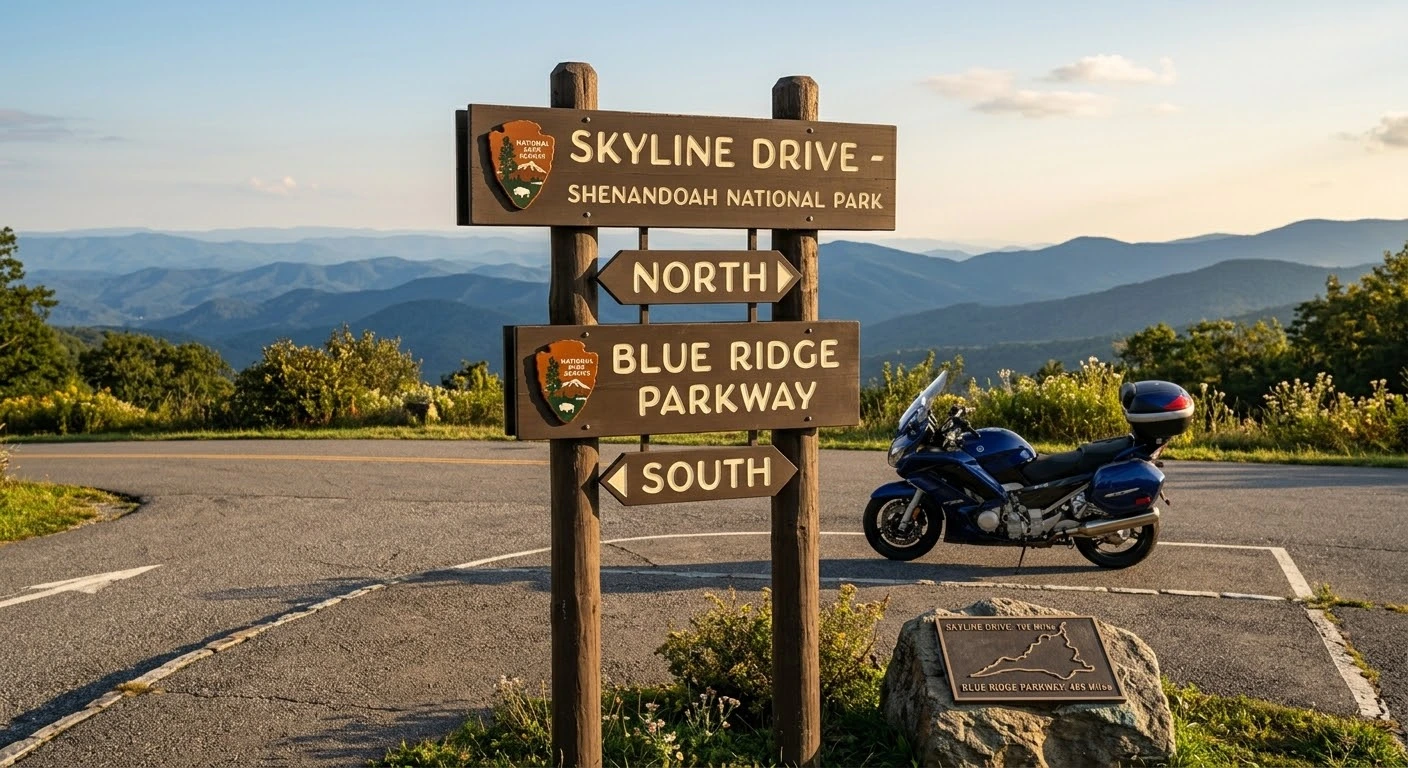
    Virginia is home to two of the most iconic scenic highways in the United States: Skyline Drive and the Blue Ridge Parkway. Running along the crest of the Blue Ridge Mountains, both routes offer sweeping valley views, dense forest canopies, and smooth mountain asphalt. However, choosing between riding Skyline Drive vs Blue Ridge Parkway which route is better depends entirely on your preferred speed, budget, route length, and riding style.

    Key Differences: Skyline Drive vs. Blue Ridge Parkway

    Understanding the operational differences helps you select the ideal route for your journey:

    • Distance & Coverage: Skyline Drive spans 105 miles strictly within Shenandoah National Park (from Front Royal to Waynesboro). The Blue Ridge Parkway begins where Skyline Drive ends, stretching 469 miles south into North Carolina.
    • Speed Limits & Pace: Skyline Drive strictly enforces a 35 mph speed limit due to dense wildlife activity and high park traffic. The Blue Ridge Parkway allows a slightly faster 45 mph cruise, providing a more fluid, long-range touring rhythm.
    • Entry Fees: Skyline Drive requires a National Park entrance fee (or America the Beautiful Pass) since it runs entirely through a national park. The Blue Ridge Parkway is completely free to ride with no toll gates or entry fees.
    • Overlooks & Scenery: Skyline Drive features 75 designated overlooks, mostly facing east and west across the Shenandoah Valley. The Blue Ridge Parkway offers vast elevation changes, passing through higher mountain gaps, deep gorges, and rustic historic landmarks.

    Which Route Fits Your Riding Style?

    Select your route based on your trip duration, cornering expectations, and itinerary goals:

    • Choose Skyline Drive if: You want a relaxed, highly regulated weekend cruise with guaranteed amenities, frequent scenic overlooks, and proximity to national park campgrounds. It pairs exceptionally well with multi-day trips when you prepare your gear using our checklist on how to prepare your motorcycle for long-distance touring.
    • Choose the Blue Ridge Parkway if: You prefer long-distance touring without entrance fees, higher speed limits, and the freedom to branch off into technical side routes.
    • Combine Both for the Ultimate Tour: Many riders link both highways into a single multi-day itinerary. If you plan to camp along the ridge, review our guide on motorcycle camping in Virginia top campsites and route planning to book paved-pad campsites in advance.
    • Looking for Technical Curves Instead? If both parkways feel too relaxed and you crave sharper switchbacks and extreme lean angles, head further southwest to tackle Virginia State Route 16 complete riding guide to the Back of the Dragon.

    Comparing riding Skyline Drive vs Blue Ridge Parkway which route is better comes down to your personal travel goals. Whether you choose the quiet, park-protected curves of Skyline Drive or the endless mountain horizons of the Blue Ridge Parkway, both deliver world-class motorcycle touring through Virginia’s finest landscapes.

    Legal Disclaimer: This guide is provided for educational and travel planning purposes only. Road closures, weather hazards, and seasonal maintenance affect both parkways. Always check official National Park Service advisories before riding.

    Official & Credible Sources