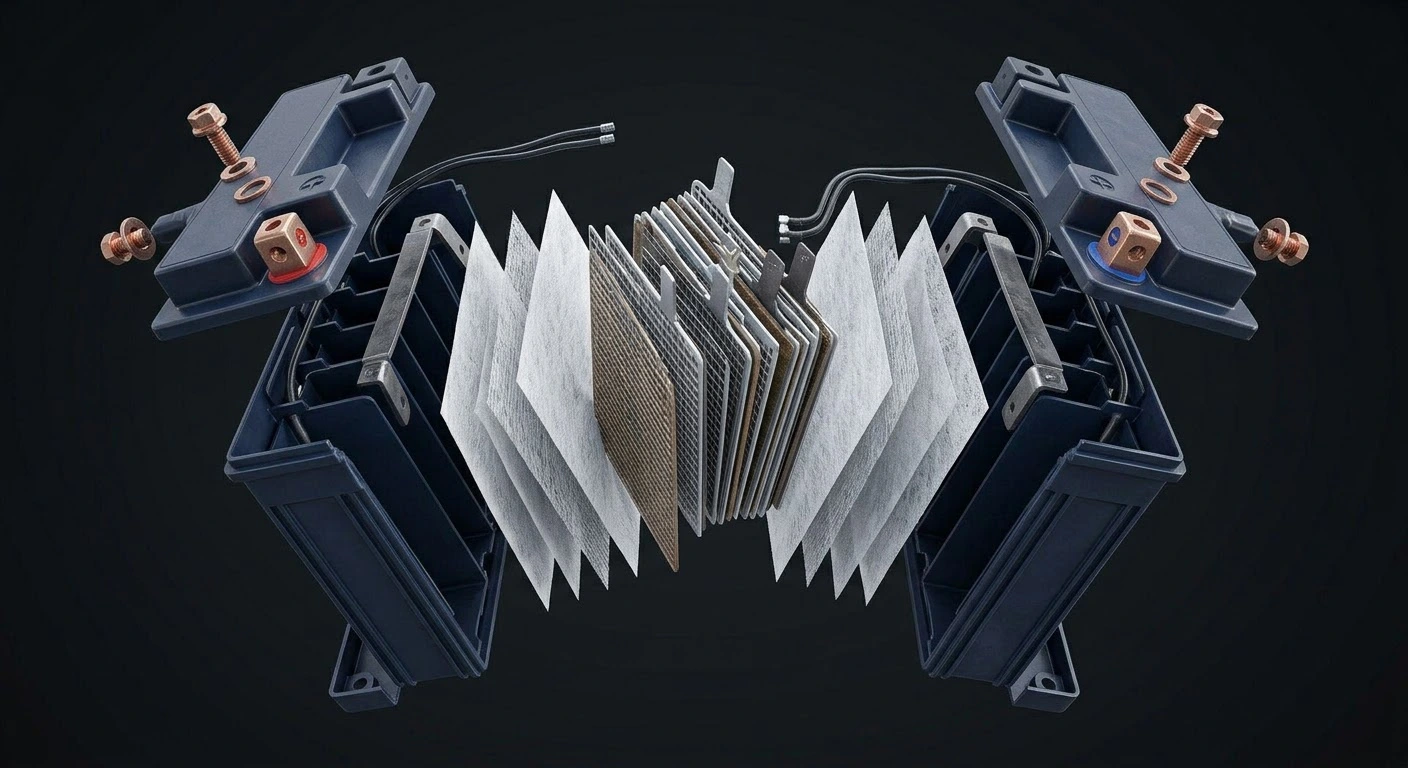
Touring across unpredictable climates exposes your motorcycle’s electrical system to severe thermal stress. Mastering motorcycle battery care and troubleshooting in cold and hot weather touring is vital for preventing stranded breakdowns on remote mountain passes or sun-baked highway shoulders. Freezing morning temperatures in high elevations reduce cranking amps and slow chemical reaction speeds inside the battery, while extreme summer heat accelerates internal fluid evaporation and grid corrosion. Understanding how AGM, Gel, and Lithium-ion batteries react to climate extreme ensures your starter turns over reliably every single morning.
Battery Chemistry & Performance Metrics Across Climates
Compare how different motorcycle battery technologies handle extreme temperature variances:
| Battery Chemistry Type | Cold Weather Performance (32°F / 0°C) | Hot Weather Performance (95°F / 35°C+) | Maintenance & Life Expectancy |
|---|---|---|---|
| AGM (Absorbed Glass Mat) | Excellent cold-cranking amps (CCA); reliable startup | Resists internal vibration; moderate heat degradation | Sealed zero-maintenance; 3–5 year lifespan |
| Lithium-Ion (LiFePO4) | Requires pre-heating (light draw) in freezing weather | Exceptional thermal tolerance; slow discharge | Ultra-lightweight; requires specialized charger |
| Conventional Flooded (Wet Cell) | Reduced cranking capacity; electrolyte gel risk | High fluid evaporation rate; plate sulfation risk | Requires distilled water tops; 2–3 year lifespan |
Essential Field Battery Care & Troubleshooting Steps
Applying precise electrical maintenance procedures before and during long highway journeys preserves battery life:
- 1. Measure Resting and Cranking Voltage:
Use a compact digital multimeter to test battery health. A fully charged 12-volt battery should measure 12.6V to 12.8V DC at rest. When cranking the engine, voltage should not drop below 9.6V. If resting voltage reads below 12.0V, charge the battery immediately using a smart trickle charger. - 2. Warm Up Lithium Batteries in Cold Weather:
Lithium (LiFePO4) batteries experience temporary internal resistance in freezing morning temperatures. If the engine cranks slowly on cold starts, turn on your headlights or heated grips for 1–2 minutes before pressing the starter button. This gentle current draw warms up internal cells, restoring full cranking power. - 3. Inspect Terminals and Cable Connections:
Vibration from long road trips loosens terminal bolts and causes corrosion layer buildup. Clean battery posts with a wire brush, tighten terminal screws firmly using a screwdriver, and apply a thin layer of dielectric grease to prevent white oxidation powder from blocking current flow. - 4. Emergency Jump-Starting Protocol:
If your battery dies far from service stations, jump-start safely using a portable lithium jump-pack. If jumping from a car, keep the car engine turned off to prevent pushing excessive amperage through your motorcycle’s delicate voltage regulator/rectifier.
Before embarking on multi-day touring routes, conduct a complete checkup of your electrical and mechanical systems using the complete pre-trip motorcycle maintenance guide. If your itinerary includes long highway runs, ensure your drivetrain is fully serviced with how to clean, adjust, and lube your motorcycle drive chain on long road trips. Additionally, verify your tire safety parameters using motorcycle tire pressure and tread maintenance for mountain curves and slick asphalt.
Conclusion: Reliable Power on Every Route
Integrating motorcycle battery care and troubleshooting in cold and hot weather touring into your routine prevents frustrating electrical failures. Carry a compact multimeter, dielectric grease, and a portable mini jump-pack in your saddlebags. By monitoring voltage levels and maintaining tight, clean connections, your engine will fire up instantly whether parked on a chilly mountain ridge or beneath scorching summer sun.
Legal Disclaimer: This guide is provided for educational and maintenance evaluation purposes only. Always consult your motorcycle owner’s manual for specific battery specifications and charging limits.
Official & Credible Sources
- Yuasa Battery Inc. — Motorcycle Battery Technical & Care Manual: https://www.yuasabatteries.com
- Battery Council International (BCI) — Battery Testing & Maintenance Guidelines: https://batterycouncil.org
- Motorcycle Safety Foundation (MSF) — Electrical System Pre-Ride Inspection: https://msf-usa.org
Enjoyed This Guide? Explore Related Virginia Touring Resources:
- Chain Care Guide: Maintain smooth power delivery using how to clean adjust and lube your motorcycle drive chain on long road trips.
- Tire Maintenance: Check rubber contact patch dynamics in motorcycle tire pressure and tread maintenance for mountain curves and slick asphalt.
- Jacket Selection: Prepare for extreme weather shifts with textile vs leather motorcycle jackets for virginia climate.
- Boot Comparison: Protect your feet in wet and cold conditions with best motorcycle boots for mountain and coastal touring waterproofing vs breathability.
- Rider Friendly Lodging: Plan comfortable overnight stops with garage charging access in top motorcycle friendly hotels and b&bs in virginia.
Leave a Reply