Author: LEDJ EDEL

  • Devil’s Backbone Loop Motorcycle Ride Guide: Virginia Touring (2026)

    Devil’s Backbone Loop Motorcycle Ride Guide: Virginia Touring (2026)

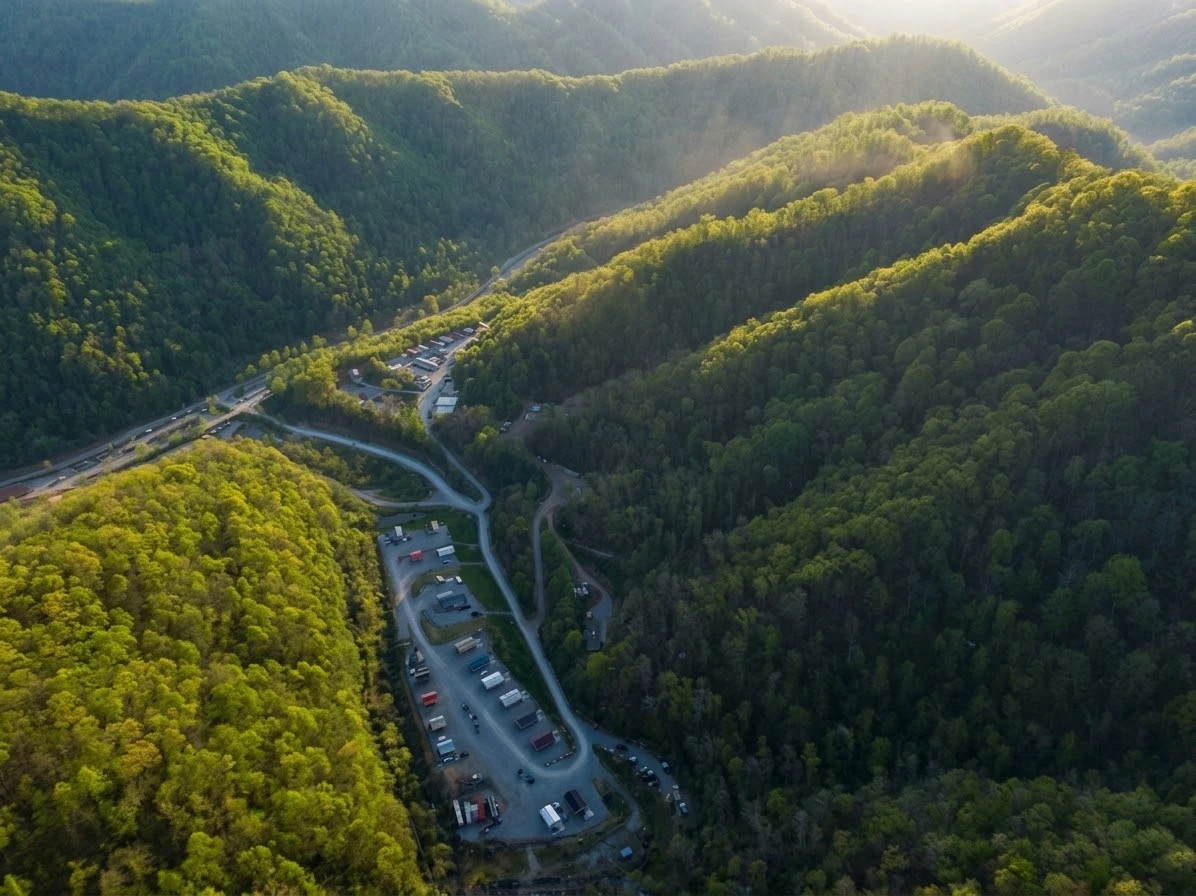
    Winding through the heart of Nelson County along the eastern slopes of the Blue Ridge Mountains, the Devil’s Backbone Loop is one of Virginia’s premier scenic motorcycle rides. Reviewing a dedicated Devil’s Backbone Loop motorcycle ride guide helps riders navigate technical twisties, sharp elevation shifts, and traffic variations near local craft beverage stops. Combining Route 151, Route 664, and segments of the Blue Ridge Parkway, this loop delivers tight switchbacks, lush mountain views, and ideal places to stop and rest.

    Crucial Riding Tips for the Devil’s Backbone Loop

    Mastering this Nelson County circuit requires specific tactical awareness regarding mountain asphalt and local road conditions:

    • 1. Watch for Changing Asphalt Surfaces:
      The transition from Route 151 up Route 664 toward Wintergreen Resort includes steep gradients and sudden off-camber corners. Gravel washed out from driveway cutouts can gather in mid-corner apexes after rain.
    • 2. Account for Seasonal Tourist Traffic:
      Route 151 is known as Virginia’s craft beverage corridor. Expect slow-moving traffic and sudden turning vehicles near farm stands and breweries, especially on sunny weekend afternoons. Keep extra space ahead of your front wheel.
    • 3. Dress for Rapid Elevation Temperature Drops:
      Climbing from the valley floor up to the Blue Ridge Parkway along Route 664 brings a noticeable temperature drop. Mountain fog can settle quickly across high ridges, requiring clear visor preparation.
    • 4. Manage Group Spacing on Tight Switchbacks:
      If riding in a group, drop to a single-file formation before hitting the uphill turns on Route 664. Staggered spacing works well in the valley, but single file ensures everyone has room for line corrections through narrow curves.

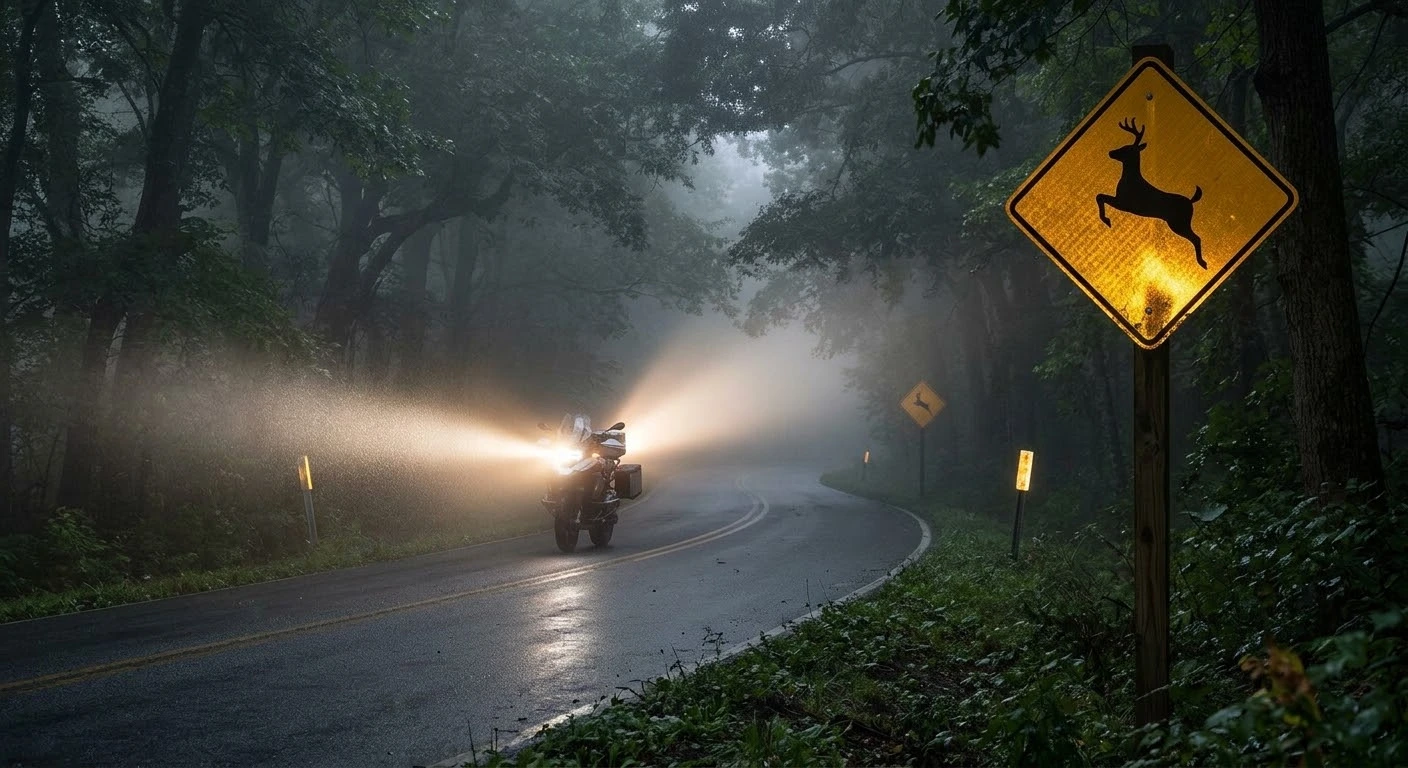
    Before tackling tight Nelson County curves, check your tire pressure and tread depth with motorcycle tire pressure and tread maintenance for mountain curves and slick asphalt. Ensure your luggage payload is balanced for tight lean angles using motorcycle luggage packing and weight distribution for mountain stability. If your ride extends into dusk hours, stay alert for wildlife using deer collision avoidance guide for Virginia motorcyclists.

    Conclusion: A Classic Virginia Mountain Loop

    Following this Devil’s Backbone Loop motorcycle ride guide ensures a smooth and memorable journey through Nelson County’s famous mountain backroads. With proper cornering discipline and awareness of elevation changes, this loop stands out as a true staple of Virginia motorcycle touring.

    Legal Disclaimer: This guide is provided for informational and route-planning purposes only. Always ride within your skill limits, obey posted speed limits, and adhere to Virginia traffic laws.

    Official & Credible Sources


    Enjoyed This Guide? Explore Related Virginia Touring Resources:

    1. Wildlife Safety: Avoid deer hazards on mountain backroads with deer collision avoidance guide for Virginia motorcyclists.
    2. Group Riding: Coordinate switchback signaling with motorcycle group riding safety and hand signals guide.
    3. Luggage Packing: Keep your bike balanced in tight turns with motorcycle luggage packing and weight distribution for mountain stability.
    4. Pre-Trip Prep: Inspect your machine prior to mountain rides using the complete pretrip motorcycle maintenance guide.
    5. Anti-Theft Tips: Secure your bike at brewery and inn stops with motorcycle anti-theft guide: best security practices for Virginia riders.
  • GPS vs Paper Maps for Motorcycle Touring: Reliability Guide (2026)

    GPS vs Paper Maps for Motorcycle Touring: Reliability Guide (2026)

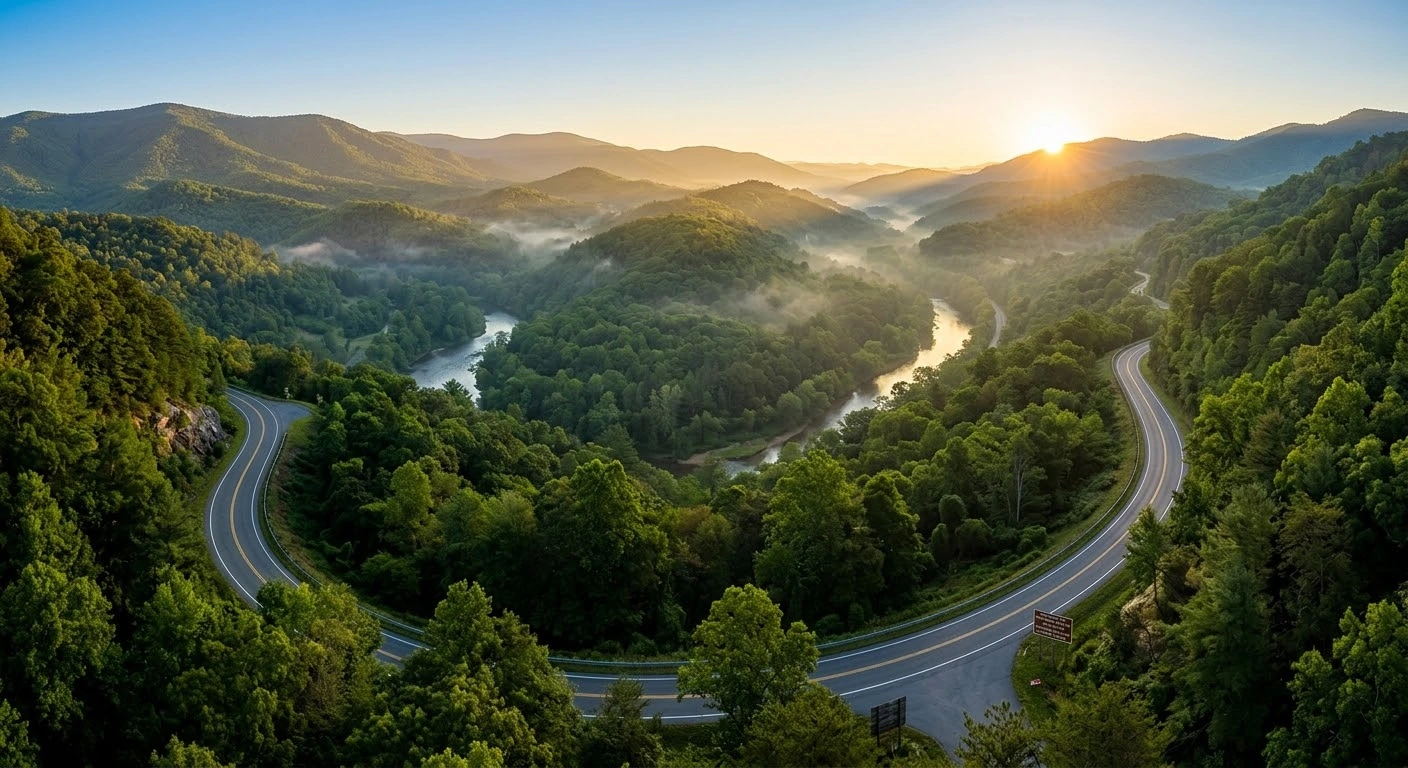
    Riding through the deep mountain passes of the Blue Ridge or navigating remote forest roads along US Route 220 requires dependable navigation tools. Comparing GPS vs paper maps for motorcycle touring digital reliability vs backcountry backup is a critical evaluation for long-distance riders. While modern motorcycle-specific GPS units and smartphone apps deliver turn-by-turn Bluetooth audio prompts, real-time traffic updates, and route tracking, relying solely on electronics can backfire in deep mountain canyons. Dead battery connections, extreme heat thermal shutdowns, and lost satellite signals can leave you stranded. Combining digital precision with a physical paper map backup guarantees seamless backcountry navigation across Virginia.

    Navigation Systems Comparison Matrix

    Evaluate how dedicated motorcycle GPS units, smartphone navigation apps, and paper maps perform in the field:

    Navigation MethodPrimary AdvantageVulnerability / Failure PointBest Backcountry Use Case
    Dedicated Motorcycle GPSWaterproof, glove-friendly screen, offline routingPower supply failure / expensive hardwareDaily turn-by-turn guidance in all weather
    Smartphone Nav AppsLive traffic updates, satellite view imageryOverheating in sun / dead cellular signalUrban transfers & quick waypoint searching
    Waterproof Paper MapsZero battery required, full geographic overviewRequires stopping to read; no live updatesEmergency route backup & route planning

    Essential Navigation Strategies for Backcountry Touring

    Applying a dual-method navigation strategy prevents wrong turns and lost time in remote mountain gaps:

    • 1. Download Offline Digital Maps in Advance:
      Cellular coverage drops quickly in Appalachian mountain valleys. Download offline map zones on your GPS device or smartphone apps (like OnX Offroad, Scenic, or Google Maps) before leaving your hotel or campsite.
    • 2. Mount and Power Electronic GPS Devices Safely:
      Secure your GPS or smartphone using a vibration-damped mount to protect camera sensors from engine buzz. Hardwire power cables directly to a switched battery terminal to maintain continuous charging without draining your main battery when parked.
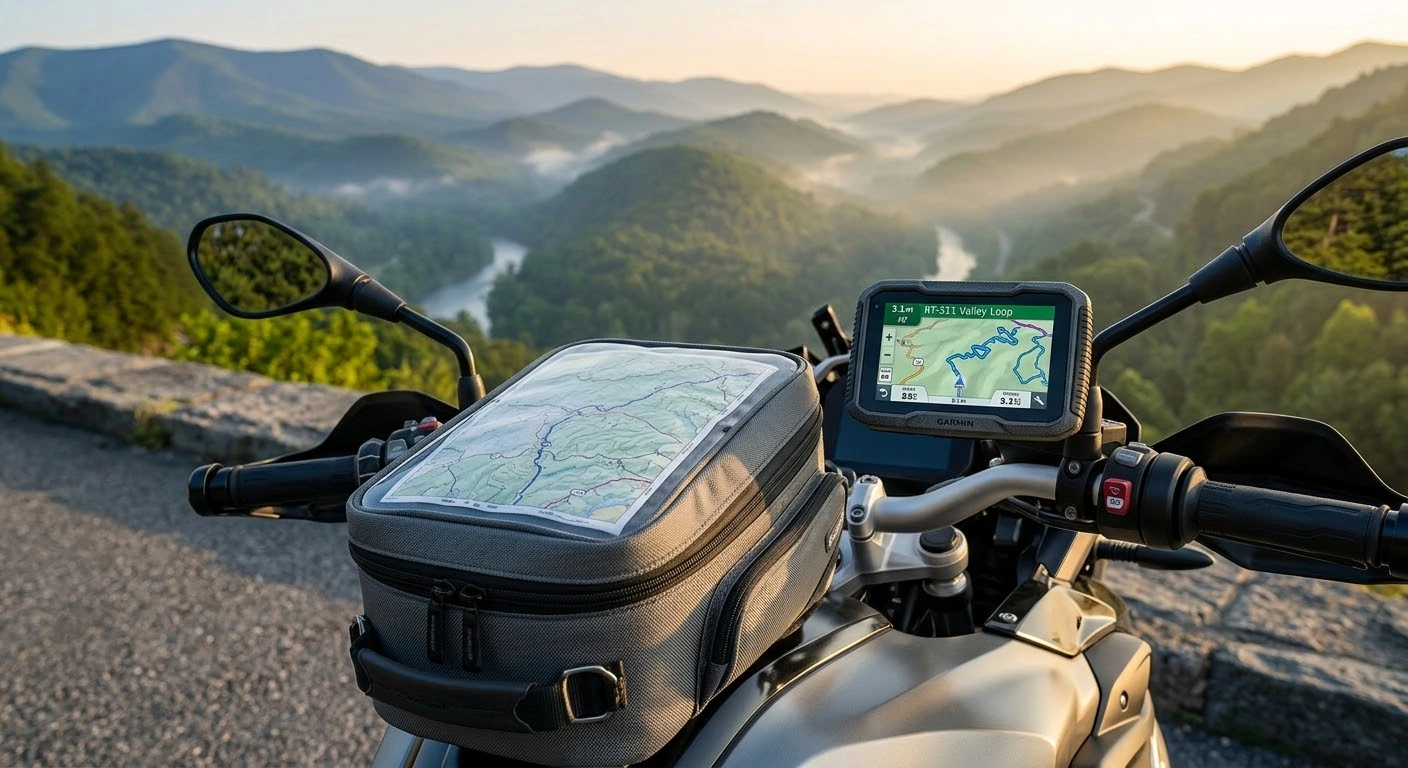
    • 3. Keep Waterproof Paper Maps in Your Tank Bag Clear Pocket:
      Pack a laminated, waterproof topographic road map in your tank bag’s top clear window. A physical map gives an immediate overview of alternative routes, nearby rivers, and mountain elevation contours without relying on battery life.
    • 4. Mark Primary Waypoints and Fuel Stops beforehand:
      Highlight critical gas stations and intersection numbers on your paper map before departing. Remote mountain stretches can span over 80 miles between open fuel stations, making pre-planned stops essential.

    Before setting out on long backcountry tours along mountain highways, review scenic route options in Route 220 motorcycle guide: Virginia’s scenic mountain ride. Ensure your electronic devices do not drain your starting power using motorcycle battery care and troubleshooting in cold and hot weather touring. Additionally, keep your motorcycle secure during remote map breaks with motorcycle anti-theft guide: best security practices for Virginia riders.
    Conclusion: Digital Speed Meets Paper Reliability

    Evaluating GPS vs paper maps for motorcycle touring digital reliability vs backcountry backup highlights the need for a balanced setup. Use modern GPS devices for real-time guidance and turn-by-turn convenience, but always stow a laminated paper map in your tank bag. With both digital tech and analog backup, you can explore Virginia’s backcountry backroads with complete peace of mind.

    Legal Disclaimer: This guide is provided for educational and navigation planning purposes only. Always pull over safely off the roadway before inspecting maps or adjusting digital GPS devices.

    Official & Credible Sources


    Enjoyed This Guide? Explore Related Virginia Touring Resources:

    1. Route Guides: Plan scenic navigation routes using route 220 motorcycle guide virginias scenic mountain ride.
    2. Electrical Care: Power your GPS devices reliably with motorcycle battery care and troubleshooting in cold and hot weather touring.
    3. Security Practices: Protect your machine during navigation stops with motorcycle anti theft guide best security practices for virginia riders.
    4. Luggage Packing: Stow paper maps and tech accessories in motorcycle luggage packing and weight distribution for mountain stability.
    5. Wildlife Safety: Stay alert for hazards along remote routes using deer collision avoidance guide for virginia motorcyclists.

  • Route 220 Motorcycle Guide: Virginia’s Scenic Mountain Ride (2026)

    Route 220 Motorcycle Guide: Virginia’s Scenic Mountain Ride (2026)

    Stretching vertically through Western Virginia, US Route 220 offers one of the most rewarding and scenic backcountry road trips in the Mid-Atlantic. Reading a dedicated Route 220 motorcycle guide to Virginia’s scenic mountain ride equips riders with essential turn-by-turn insights, pavement quality expectations, and stopover highlights. From the historic mineral springs around Clifton Forge and Covington down through the rolling Allegheny Highlands into the Roanoke Valley, Route 220 delivers a perfect blend of sweeping mountain curves, historic river valleys, and relaxed rural riding away from heavy interstate highway congestion.

    Key Route 220 Touring Segments & Highlights

    Explore the distinct road sections and geographic highlights along Virginia’s Route 220 corridor:

    Route SegmentDistance & TerrainNotable HighlightsCornering & Road Character
    Highland & Bath County Pass~45 miles (Monterey to Warm Springs)Thermal springs, historic inns, deep forest cutsTight elevation shifts; smooth technical turns
    Alleghany Highlands Run~30 miles (Falling Spring to Covington)Falling Spring Falls, Jackson River viewsSweeping valley curves along river bends
    Roanoke to Blue Ridge Foothills~50 miles (Roanoke south to Rocky Mount)Blue Ridge Parkway access, rural farmlandOpen multi-lane sections transitioning to curves

    Essential Riding Tips for US Route 220

    Executing a smooth multi-day tour along Route 220 requires strategic planning and keen road awareness:

    • 1. Plan Stops at Natural Landmarks:
      Do not miss Falling Spring Falls just north of Covington—a breathtaking 80-foot natural waterfall viewable directly from a roadside pull-off. Further north, Warm Springs and Monterey offer quiet historic towns ideal for lunch, fuel refills, and local coffee stops.
    • 2. Watch for Wildlife in River Valleys:
      Route 220 parallels lush water channels and dense timberlands, making it a prime corridor for deer and wild turkey crossings, particularly during dawn and dusk hours. Maintain disciplined scanning along forest shoulders.
    • 3. Manage Suspension and Luggage Weight:
      The northern mountain sections feature sudden mid-corner camber shifts and undulating asphalt. Ensure your suspension preload and baggage weight are correctly adjusted to prevent wallowing through tight switchbacks.
    • 4. Secure Your Motorcycle Overnight:
      If booking overnight stays in historic mountain inns or valley B&Bs along Route 220, practice sound security habits by using rotor disc locks and locking your steering head.

    Before setting out on your Route 220 expedition, review proper wildlife hazard awareness in deer collision avoidance guide for Virginia motorcyclists. Ensure your luggage setup maintains proper chassis balance using motorcycle luggage packing and weight distribution for mountain stability. Additionally, safeguard your machine during overnight hotel stays with motorcycle anti-theft guide: best security practices for Virginia riders.

    Conclusion: A Classic Appalachian Highway Journey

    Exploring this Route 220 motorcycle guide to Virginia’s scenic mountain ride unlocks a quintessential Appalachian touring experience. With its smooth river-carved curves, dramatic mountain ridges, and abundant historical stopovers, US Route 220 stands as a must-ride corridor for any rider seeking authentic Virginia mountain freedom.

    Legal Disclaimer: This guide is intended for travel planning and touring reference only. Always obey posted speed limits, monitor local weather conditions, and ride according to your skill level.

    Official & Credible Sources


    Enjoyed This Guide? Explore Related Virginia Touring Resources:

    1. Wildlife Safety: Avoid animal hazards along river corridors with deer collision avoidance guide for Virginia motorcyclists.
    2. Luggage Setup: Balance your payload for mountain switchbacks in motorcycle luggage packing and weight distribution for mountain stability.
    3. Security Practices: Protect your machine at mountain inns using motorcycle anti theft guide best security practices for virginia riders.
    4. Pre-Trip Checklist: Inspect brakes and fluids prior to departure with the complete pretrip motorcycle maintenance guide.
    5. Rider Lodging: Find welcoming stays along your route in top motorcycle friendly hotels and b&bs in virginia.

  • Motorcycle Anti-Theft Guide: Best Security Practices in Virginia (2026)

    Motorcycle Anti-Theft Guide: Best Security Practices in Virginia (2026)

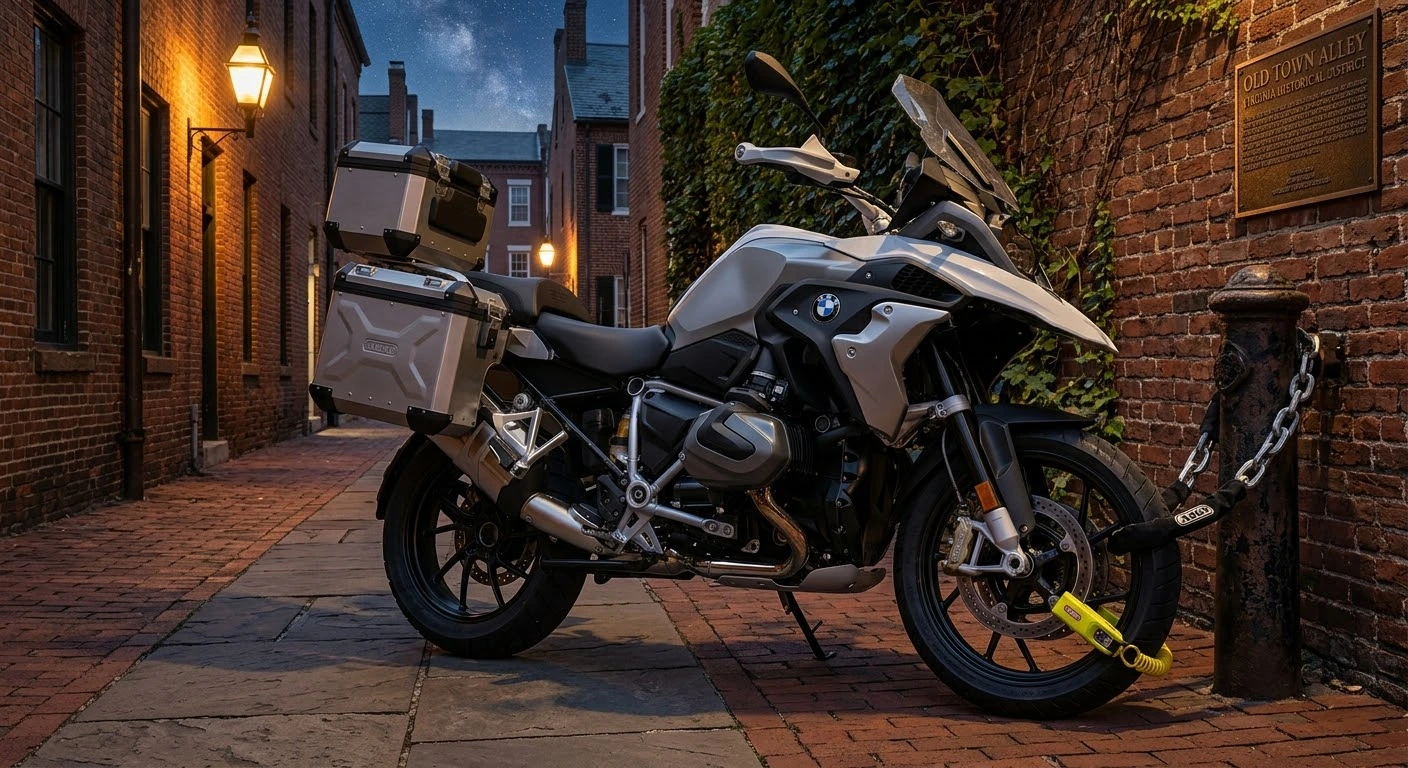
    Touring across Virginia or commuting through urban hubs like Richmond, Norfolk, and Northern Virginia requires reliable peace of mind when leaving your machine parked. Reviewing a dedicated motorcycle anti-theft guide and best security practices for Virginia riders is essential for keeping your bike safe from opportunistic thieves and organized theft rings. Motorcycles are light, mobile, and can be loaded into a covered van in under thirty seconds if left unsecured. Implementing a multi-layered security strategy—combining physical mechanical locks, smart GPS tracking, and intelligent parking habits—ensures your motorcycle stays exactly where you left it.

    Layered Anti-Theft Security Breakdown

    Evaluate how different security measures perform against various theft techniques:

    Security LayerPrimary Device / TechniqueDefense LevelResistance Against Organized Van Theft
    Layer 1: Physical AnchoringHeavy Duty Chain (12mm+) & Ground AnchorHighPrevents thieves from physically lifting the bike
    Layer 2: Disc Locks & AlarmsMotion-Sensored Brake Disc Lock (120dB)MediumStops roll-away theft & deters casual tampering
    Layer 3: Digital TrackingCellular / Satellite GPS Tracker with GeofencingSuperiorEnables real-time police recovery after a theft
    Layer 4: Environmental ParkingWell-lit public zones, CCTV coverage, coverTacticalReduces visual visibility to roving scouts

    Essential Security Protocols for Virginia Riders

    Applying a multi-tiered security routine creates layered friction that forces thieves to target easier, unprotected bikes:

    • 1. Lock Your Steering and Install a Disc Lock Alarm:
      Always engage your steering neck lock, even for quick gas station stops. Complement this with a hardened steel disc lock attached to your front or rear brake rotor. Models equipped with 120dB motion alarms immediately alert bystanders if someone attempts to balance or move the machine.
    • 2. Anchor the Frame to a Fixed Structure:
      A disc lock alone will not stop thieves from lifting your bike into a truck bed. Pass a heavy-duty, bolt-cutter-resistant chain (12mm-14mm hardened manganese steel) through the motorcycle’s frame or swingarm, anchoring it tightly to a concrete post or ground anchor. Keep the chain elevated off the ground to prevent leverage attacks with bolt cutters.
    • 3. Install a Hidden GPS Tracking Device:
      Conceal a self-powered GPS or cellular tracker deep beneath the bodywork rather than under the easily accessible passenger seat. Configure geofence alert boundaries on your smartphone so you receive instant phone alerts if your motorcycle moves while parked overnight at hotel stops.
    • 4. Use a Discreet, Unbranded Bike Cover:
      An unbranded, weatherproof cover acts as a powerful psychological barrier. Removing visual identification prevents thieves from evaluating your machine’s aftermarket parts or value while keeping it protected from harsh weather elements.

    Before setting out on multi-night touring trips, review proper weight limits for carrying heavy lock chains in motorcycle luggage packing and weight distribution for mountain stability. If you park in remote rural areas during wildlife tours, consult safety protocols in deer collision avoidance guide for Virginia motorcyclists. Additionally, ensure your bike’s battery supports auxiliary GPS draw using motorcycle battery care and troubleshooting in cold and hot weather touring.

    Conclusion: Layered Protection Yields Total Peace of Mind

    Following this motorcycle anti-theft guide and best security practices for Virginia riders dramatically reduces your vulnerability to theft. Never rely on a single lock or factory ignition safety. By combining a visible heavy chain, a loud disc lock alarm, hidden GPS tracking, and smart parking choices, you construct an effective defense system that safeguards your motorcycle on every journey.

    Legal Disclaimer: This guide is provided for educational and theft-prevention planning purposes only. Always maintain comprehensive insurance coverage including comprehensive/theft protection on your motorcycle policy.

    Official & Credible Sources


    Enjoyed This Guide? Explore Related Virginia Touring Resources:

    1. Luggage Setup: Pack heavy security chains safely using motorcycle luggage packing and weight distribution for mountain stability.
    2. Wildlife Hazards: Ride safely on rural backroads with deer collision avoidance guide for Virginia motorcyclists.
    3. Electrical Care: Power your security trackers properly with motorcycle battery care and troubleshooting in cold and hot weather touring.
    4. Drive Chain Maintenance: Ensure instant getaways with how to clean adjust and lube your motorcycle drive chain on long road trips.
    5. Rider Friendly Lodging: Choose stays with secure parking features in top motorcycle friendly hotels and b&bs in virginia.

  • Night Riding Safety Guide for Virginia Motorcyclists (2026)

    Night Riding Safety Guide for Virginia Motorcyclists (2026)

    Roughly half of all fatal motorcycle crashes nationally occur after dark, despite night riding accounting for a much smaller share of total miles ridden—and Virginia’s unlit rural highways, mountain switchbacks, and dense deer population make the risk gap even wider.

    Night riding through the Blue Ridge Parkway, Skyline Drive, or the back roads of the Shenandoah Valley delivers some of the most peaceful, traffic-free miles in the state, but only for riders who understand how darkness changes visibility, reaction time, and hazard recognition. This guide breaks down the practical adjustments every Virginia rider should make before the sun goes down.


    Night Riding in Virginia at a Glance

    Hazard / MetricRisk Level & ImpactPrimary Mitigation Strategy
    Fatality Rate~50% of national fatal crashes occur at nightSlow down, increase following distance
    Wildlife ActivityExtreme (Deer rut, dusk/dawn active hours)Scan road shoulders with auxiliary LED lights
    Unlit BackroadsHigh (Zero ambient street lighting on mountain passes)Clean visor, upgrade to high-lumen headlights
    Temperature DropsModerate to High (Ridgetop elevation cooling)Wear windproof layers and anti-fog visors

    Key Night Riding Hazards in Virginia

    1. Overdriving Your Headlight

    The most common mistake night riders make is traveling at a speed where their stopping distance exceeds the reach of their headlight beam. If your beam illuminates 150 feet ahead, but your total reaction and braking distance at 55 mph is 180 feet, you are riding blind into whatever lies past your light beam.

    2. High-Risk Wildlife Corridors

    Virginia ranks among the top states for deer collisions. White-tailed deer are crepuscular and nocturnal, making unlit rural stretches along the Shenandoah Valley and Southside Virginia prime collision zones after sunset.

    3. Visor Glare and Reduced Contrast

    Scratched, tinted, or dirty visors refract oncoming headlights into severe glare, wiping out your night vision and making it impossible to spot gravel, potholes, or wet patches on unlit turns.


    Step-by-Step Rules for Safe Night Riding

    1. Switch to a Clear Anti-Fog Visor: Never ride after dark with a tinted, mirrored, or smoke visor. Carry a clear face shield equipped with an anti-fog Pinlock insert.
    2. Upgrade Your Lighting Setup: Replace dim stock halogen bulbs with high-output LED headlights or add broad-beam auxiliary driving lights to sweep ditches and shoulders.
    3. Slow Down by 10–15 MPH: Reduce your cruising speed on unlit two-lane roads to align your stopping distance with your illuminated headlight horizon.
    4. Increase Following Distance: Expand your cushion behind lead vehicles to 4–5 seconds to spot hazards or sudden braking ahead of time.
    5. Use Lead Vehicles as Pathfinders: Position yourself safely behind a car or truck, using their headlights to reveal upcoming road curves, debris, and animal movements.

    Questions

    Is it legal to use tinted visors at night in Virginia?

    While Virginia law mandates eye protection, riding with a tinted shield after dark severely impairs visibility and violates basic road safety standards. Always carry a clear visor for night rides.

    What is the best lighting upgrade for night riding in Virginia?

    Auxiliary LED lights mounted low on crash bars or forks provide the best lateral light spread, illuminating ditch edges and shoulders where deer usually hide.


    Final Takeaway

    Night riding in Virginia offers quiet roads and breathtaking starlit ridgelines, but it forgives very few mistakes. Lower your speed, upgrade your lighting, keep your visor crystal clear, and ride well within your headlight coverage.


    Sources

    1. National Highway Traffic Safety Administration (NHTSA)
    2. Virginia Department of Transportation (VDOT)

    Legal Disclaimer

    This guide is provided strictly for educational and safety awareness purposes. Night riding involves inherent risks. Road conditions, wildlife presence, and weather can change instantly. Riders are responsible for maintaining their equipment, adjusting speeds to conditions, and obeying all Virginia traffic regulations. MotorcycleVirginia.com assumes no liability for injuries or damages.

    Enjoyed This Guide? Explore Related Virginia Touring Resources:

    1. Luggage Packing: Maintain chassis balance for emergency stops with motorcycle luggage packing and weight distribution for mountain stability.
    2. Battery Care: Keep auxiliary riding lights powered using motorcycle battery care and troubleshooting in cold and hot weather touring.
    3. Drivetrain Maintenance: Ensure smooth throttle response with how to clean adjust and lube your motorcycle drive chain on long road trips.
    4. Tire Maintenance: Maximize emergency stopping grip in motorcycle tire pressure and tread maintenance for mountain curves and slick asphalt.
    5. Jacket Selection: Wear high-visibility protective gear from textile vs leather motorcycle jackets for virginia climate.

  • Deer Collision Avoidance Guide for Virginia Motorcyclists (2026)

    Deer Collision Avoidance Guide for Virginia Motorcyclists (2026)

    Navigating Virginia’s lush forest corridors and mountain passes offers scenic freedom, but it also brings a significant seasonal hazard: wildlife crossings. Reviewing a comprehensive deer collision avoidance guide for Virginia motorcyclists is essential for anyone riding through the Blue Ridge, Shenandoah Valley, or rural Piedmont backroads. Virginia consistently ranks among the top states in the nation for deer-vehicle strikes, with peak risks occurring during the autumn mating season (October through December). Understanding deer behavior, mastering scan patterns, and refining emergency braking skills can dramatically lower your chances of an unexpected roadside encounter.

    Wildlife Risk Factors & Peak Hazard Times

    Recognize the critical variables that increase wildlife collision probability across Virginia routes:

    Risk VariablePeak Danger WindowHigh-Risk LocationsPrimary Mitigation Strategy
    Daily Time FrameDusk to Dawn (5:00 AM – 8:00 AM & 5:00 PM – 9:00 PM)Forest edges, rural farm fields, river crossingsLower speed by 10-15 mph; cover brake levers
    Seasonal PeakOctober through December (Rutting / Mating Season)Heavily wooded highways (I-81, Route 211, Skyline Drive)High-beam usage; scan treelines continuously
    Animal Group BehaviorSingle deer spotted near road shoulderBlind turns, dip valleys, rural intersectionsAssume more deer follow immediately behind

    Essential Tactical Techniques for Avoiding Deer Strikes

    Applying active defensive riding tactics gives you critical reaction time when wildlife steps into your lane:

    • 1. Master Continuous Treeline Scanning:
      Avoid fixing your eyes straight down the asphalt. Scan continuously from fence-line to treeline on both sides of the highway. Look for the reflective shine of eyes in your headlight beam or sudden shadows breaking the roadside foliage.
    • 2. The “Where There Is One, There Are More” Rule:
      White-tailed deer rarely travel alone. If a deer leaps across the asphalt ahead of you, immediately brake hard and prepare for a second or third deer to jump directly out from the exact same entry point.
    • 3. Effective Emergency Braking and Swerving:
      If a collision appears imminent, apply maximum straight-line braking using both front and rear brakes without locking the wheels. Only execute a defensive swerve if you have a clear, paved escape route; swerving blindly into oncoming traffic or soft road shoulders creates a far more severe crash risk.
    • 4. Maximize Auxiliary Lighting and Horn Use:
      Ride with high beams whenever opposing traffic permits to illuminate side margins. If you spot a deer standing near the shoulder, sound a long horn blast; erratic flashing lights alone may freeze the animal in place rather than scaring it away.

    Before riding through densely wooded mountain routes, ensure your motorcycle handling and braking components are operating at peak efficiency using the complete pre-trip motorcycle maintenance guide. If your itinerary involves extra luggage weight, review proper chassis balancing in motorcycle luggage packing and weight distribution for mountain stability. Additionally, check that your tires provide maximum emergency stopping grip using motorcycle tire pressure and tread maintenance for mountain curves and slick asphalt.

    Conclusion: Vigilance Protects Your Ride

    Studying this deer collision avoidance guide for Virginia motorcyclists provides the tactical awareness needed to enjoy scenic rural highways safely. By reducing speeds during dawn and dusk, scanning shoulder corridors continuously, and maintaining full control during hard emergency stops, you can navigate Virginia’s wildlife-rich countryside with complete confidence.

    Legal Disclaimer: This guide is provided for educational and safety awareness purposes only. Always ride within posted speed limits and adjust speed according to road conditions and visible hazards.

    Official & Credible Sources


    Enjoyed This Guide? Explore Related Virginia Touring Resources:

    1. Luggage Packing: Maintain chassis balance for emergency stops with motorcycle luggage packing and weight distribution for mountain stability.
    2. Battery Care: Keep auxiliary riding lights powered using motorcycle battery care and troubleshooting in cold and hot weather touring.
    3. Drivetrain Maintenance: Ensure smooth throttle response with how to clean adjust and lube your motorcycle drive chain on long road trips.
    4. Tire Maintenance: Maximize emergency stopping grip in motorcycle tire pressure and tread maintenance for mountain curves and slick asphalt.
    5. Jacket Selection: Wear high-visibility protective gear from textile vs leather motorcycle jackets for virginia climate.